Triberg, Germany
So, you have never heard of Triberg before? Well, we hadn't, either. Triberg im Schwarzwald is a charming small town located in the central Black Forest region of southwestern Germany, in the state of Baden-Württemberg. Nestled in the Gutach Valley at elevations ranging from about 500 to over 1,000 meters, it has a population of around 4,600 residents and has long been a popular tourist destination thanks to its stunning natural scenery and traditional crafts. We chose to stop off in Triberg simply because of its location and, for its cuckoo clocks. Who doesn't love a good cuckoo clock?!
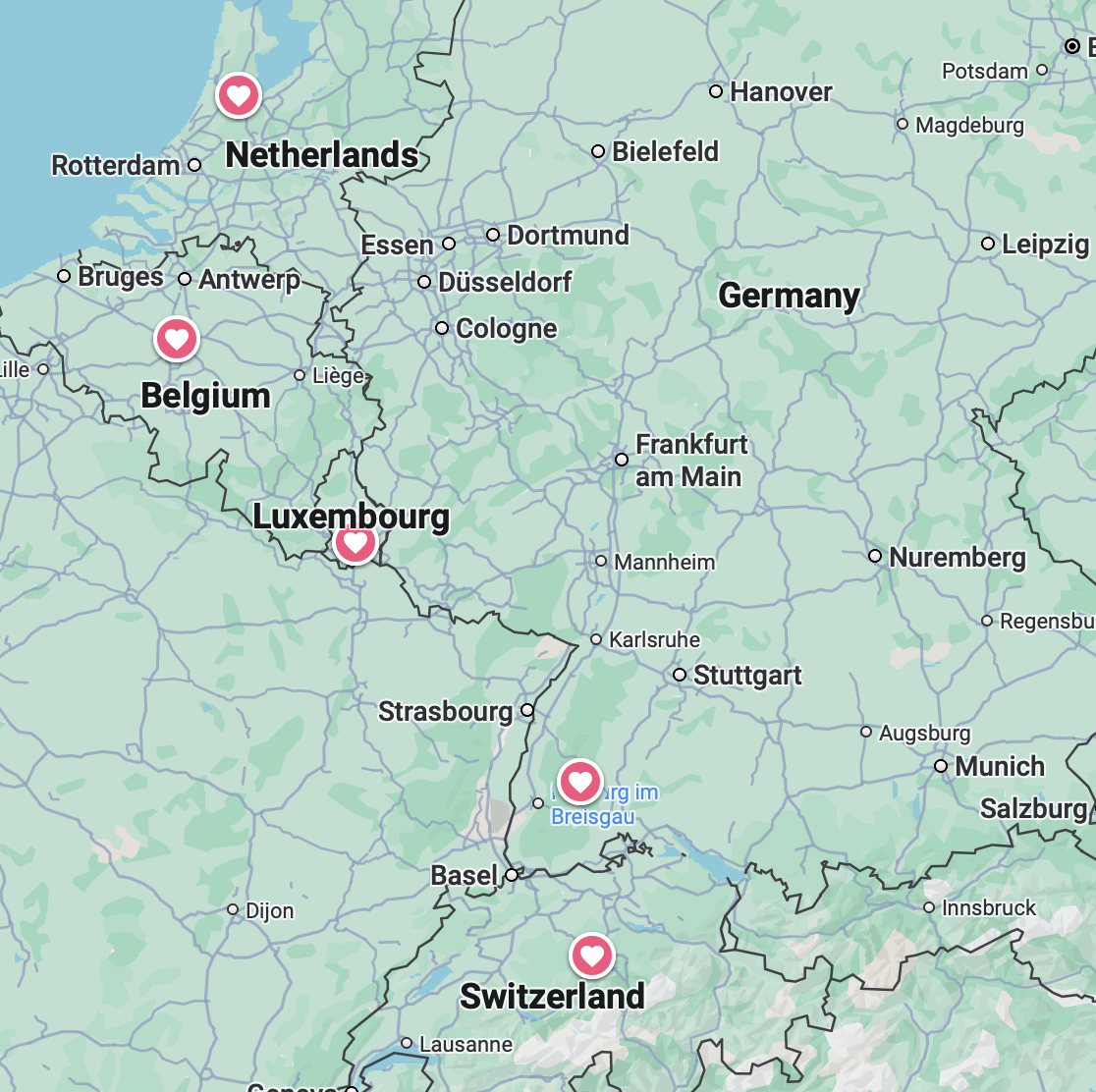
The history of Triberg dates back to around the 12th century when the area began to be settled and developed. A knight named Adelbert von Ellerbach played a key role in establishing early fortifications, including rock castles that gave rise to local lordships. The town itself was officially recognized around 1240 and later came under Austrian influence before becoming part of the Grand Duchy of Baden. In the 19th century, Triberg transformed into a renowned health and spa town, attracting visitors from across Europe. It also became an important center for woodcarving, watchmaking and cuckoo clock production, pioneering innovations such as Germany's first electric street lighting powered by its waterfalls in 1884 and the world's first electric ski lift.
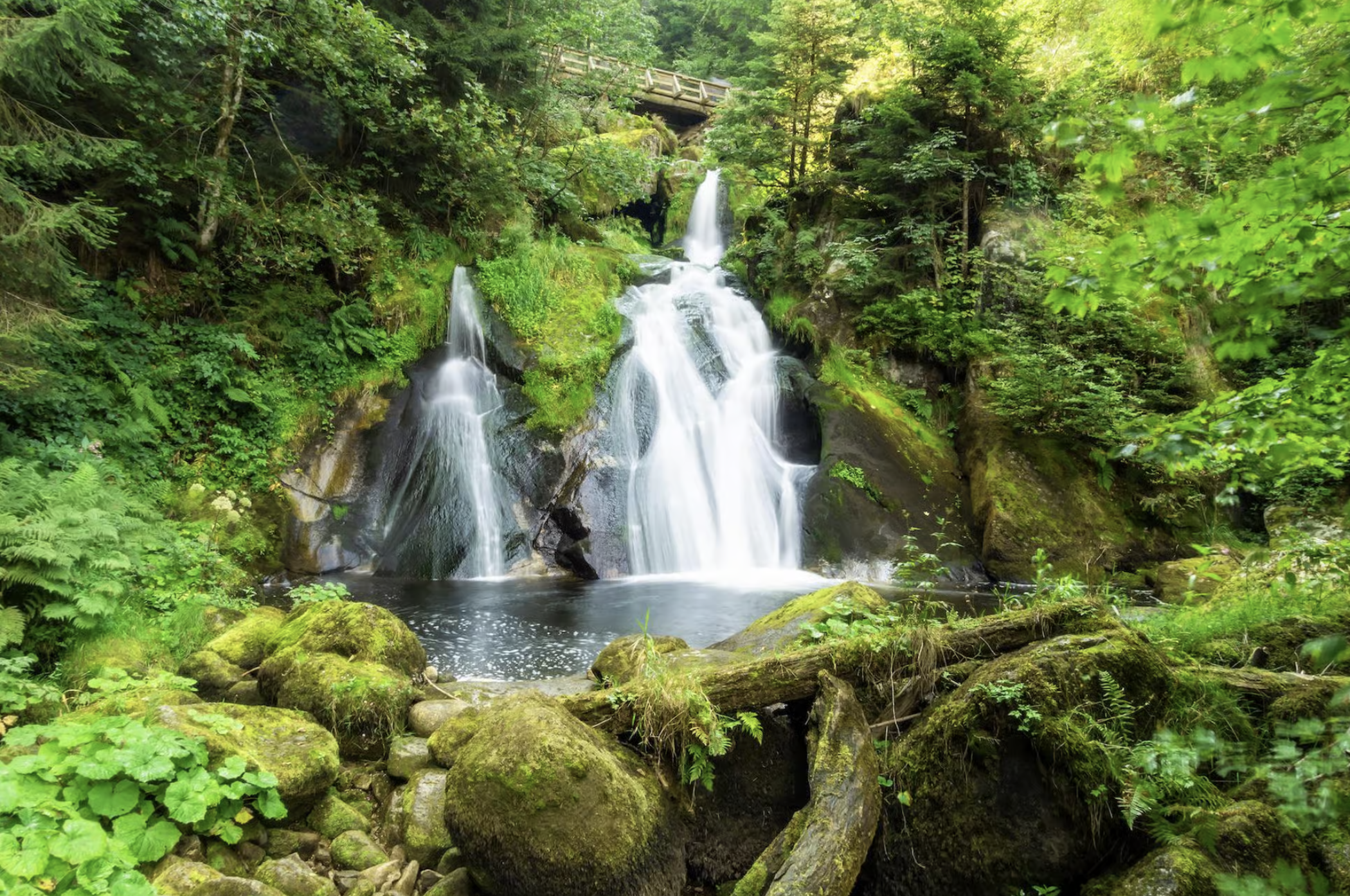
Today, while traditional watchmaking has declined, tourism remains the main economic driver alongside local services. What makes Triberg worth visiting is its perfect blend of nature, culture, and Black Forest charm. The highlight for many is the impressive Triberg Waterfalls, Germany's highest, where the Gutach River plunges 163 meters over seven dramatic steps. Well-maintained paths allow visitors to walk alongside the cascades, with beautiful viewpoints and evening illuminations adding to the magic.
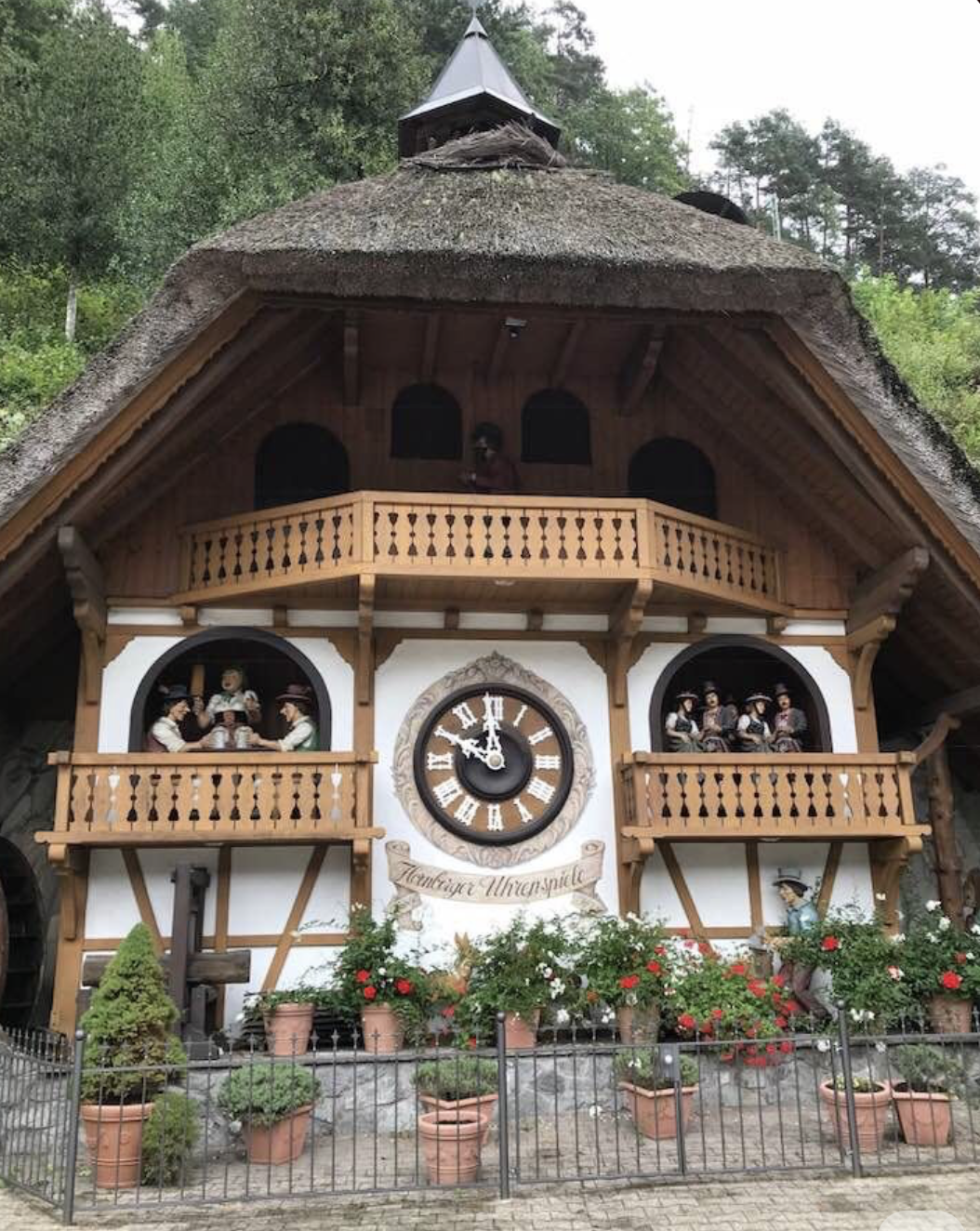
The town is also famous as a hub for traditional Black Forest cuckoo clocks, with numerous shops like the House of 1000 Clocks and even the world's largest cuckoo clock nearby in Schonach. The Black Forest Museum offers an engaging look into local history, costumes, and craftsmanship, while the town's picturesque half-timbered buildings, cozy cafés serving authentic Schwarzwälder Kirschtorte (Black Forest cherry cake) create a fairy-tale ambiance that feels both relaxing and memorable.
The surrounding areas enhance Triberg's appeal as an excellent base for exploration. Nearby Schonach is home to more clock attractions, while scenic train rides along the historic Black Forest Railway offer breathtaking views of the densely forested landscape. Other charming towns such as Gengenbach and Schiltach, with their well-preserved half-timbered houses, are worth a short drive or visit. Triberg captures the romantic essence of the Black Forest with its waterfalls, clocks, forests, and traditional culture, making it a delightful destination for nature enthusiasts, history buffs, and anyone seeking a peaceful yet engaging getaway in Germany.
THINGS TO DO
Triberg Waterfalls (Triberger Wasserfälle) Germany's highest accessible waterfall (163m over 7 cascades). We can hike easy trails through lush forest for stunning views from multiple platforms. Iconic and family-friendly; illuminated in evenings for a magical glow.
House of 1000 Clocks (Haus der 1000 Uhren) Massive shop showcasing thousands of traditional Black Forest cuckoo clocks. Quintessential Triberg experience right by the waterfalls.
World's Largest Cuckoo Clock (Weltgrößte Kuckucksuhr) Guinness-recognized giant clock where we can walk inside the building-sized timepiece, see mechanisms, and hear chimes every half-hour.
Black Forest Museum (Schwarzwaldmuseum) Fascinating exhibits on local history, clockmaking, traditional costumes, mining, and Black Forest life.
Wallfahrtskirche Maria in der Tanne (Pilgrimage Church) Beautiful pilgrimage church hidden in the forest with a reputed healing spring with ornate interiors and a quiet, almost mystical feel.
Raptor and Owl Park (Greifvogelpark Triberg) Daily flight shows with eagles, falcons, and owls where we can watch natural predatory behaviors up close.
Vogtsbauernhof Open-Air Museum (near Gutach, ~20 min drive) Authentic Black Forest farmhouses with animals and traditional life exhibits where we can wander preserved 17th-19th century buildings.
German Clock Museum Largest clock collection in Germany where we can trace cuckoo clock history with interactive displays.
Oli's Schnitzstube Master wood carver's studio/shop where we can watch traditional Black Forest carvings and shop unique pieces.