Marrakesh
We're heading to Marrakesh because when it comes to travel, I crave raw, unfiltered energy; somewhere that slaps you awake with color, noise, and life instead of another polished museum crawl. If this 3 month trip were all up to me (Leslie), we would be staying away from big, museum-lined cities and going to places with more grit. Darrel jokes that I prefer discomfort and chaos over class and tend to fall in love with the less lovable. He is not wrong. I truly prefer using a bucket for a latrine if it means I see the less seen and get in the muck- sometimes literally- of the culture. I don't understand why he doesn't. We balance each other out in many ways.
However, this trip isn't just about me and ways that I can pressure the family into doing what I want, although I did try. Hard. But the truth is, we’re traveling together, and I genuinely want it to feel like everyone has a say and everyone has something to look forward to. So, while we are visiting the classic highlights, the famous landmarks, the iconic photo spots, the “you can’t come here and not do this” experiences, I’ve also tucked in a few extras that feel more authentic or...creepy. The whole family likes creepy things!
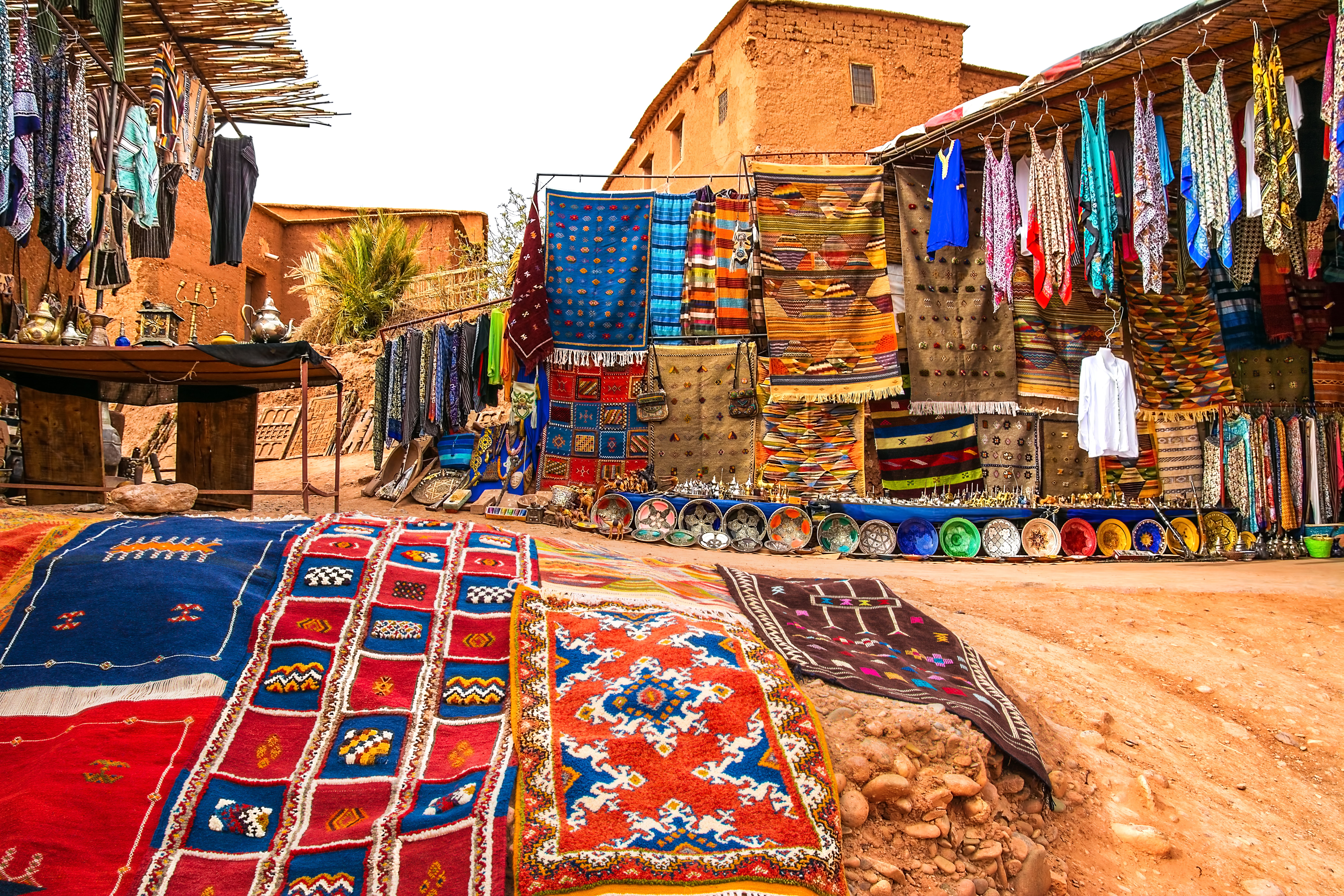
I’m looking forward to Morocco for the colors, the spices, the call to prayer echoing through the streets, bustling souks, tiled courtyards and the everyday energy that I have read makes you feel like you’ve stepped into a different rhythm of life. Morocco feels like an exhilarating opening chapter, and I can already tell it’s going to be such an exciting start to the trip!
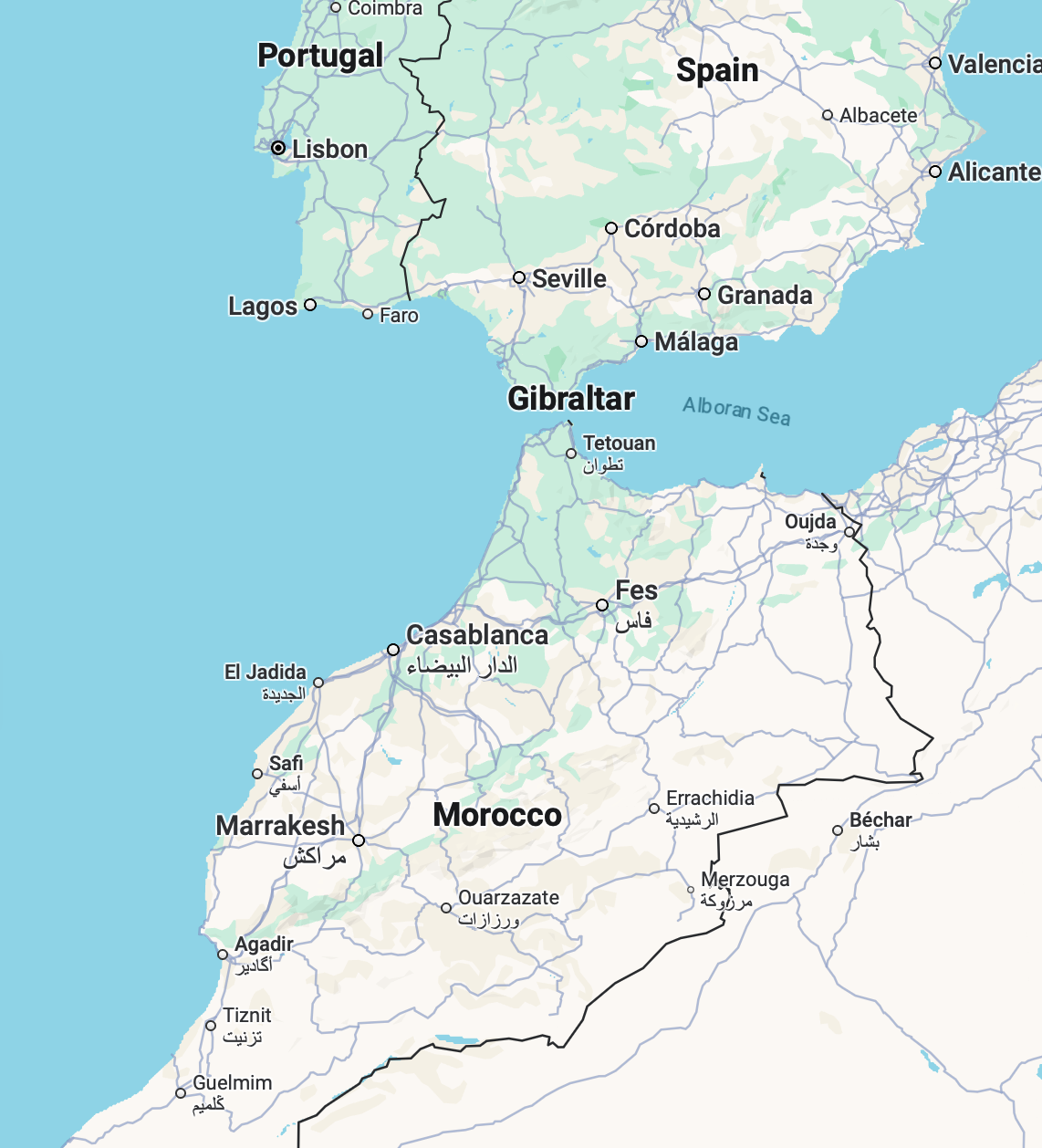
Morocco is in North Africa and almost kisses the south tip of Spain at the Straight of Gibraltar. It's a mix of exotic chaos with a little desert around the edges. What I'm most looking forward to is getting properly lost in the medina's souks (which I hear isn't hard to do), witnessing Penny try her best at haggling and Finn's chin drop when a live Cobra dances for the snake charmers. The kids have asked what Morocco will be like, and I've said a little like Aladdin, minus the flying carpet.
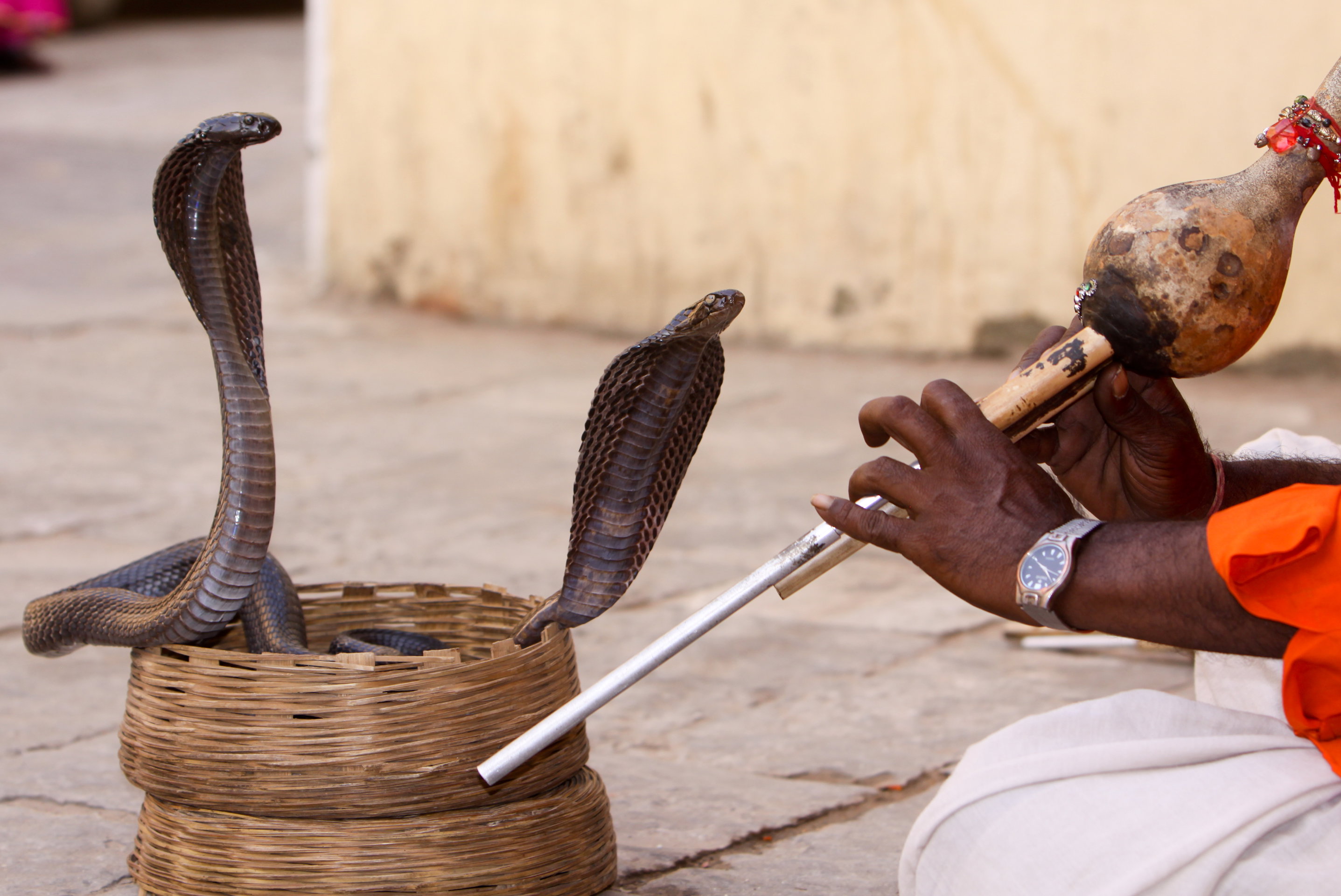
From what I have read, sunset at Jemaa el-Fnaa, the main market, is a once in a lifetime experience. I can't wait to watch the square explode into a mad circus of musicians and food stalls grilling everything from sheep heads to snail soup under what the kids may call putrid clouds of smoke.
A LITTLE HISTORY
I am not a historian by any means, but I do think understanding background basics of our destinations adds appreciation to our experience. Being a science nerd, I think it is amazing that humans (in the broad sense of the genus Homo) have been present in what is now Morocco for at least 400,000 years based on archaeological evidence of early hominids from sites like Salé. The oldest known fossils of anatomically modern humans, Homo sapiens, come from Jebel Irhoud in Morocco, dated to around 315,000 years ago, making this one of the earliest sites for our species anywhere in the world! This means modern humans have inhabited the region for over 300,000 years with continuous presence through various cultures like the Aterian (starting around 150,000 years ago) up to the present. This makes US history feel like a brand-new baby in comparison!
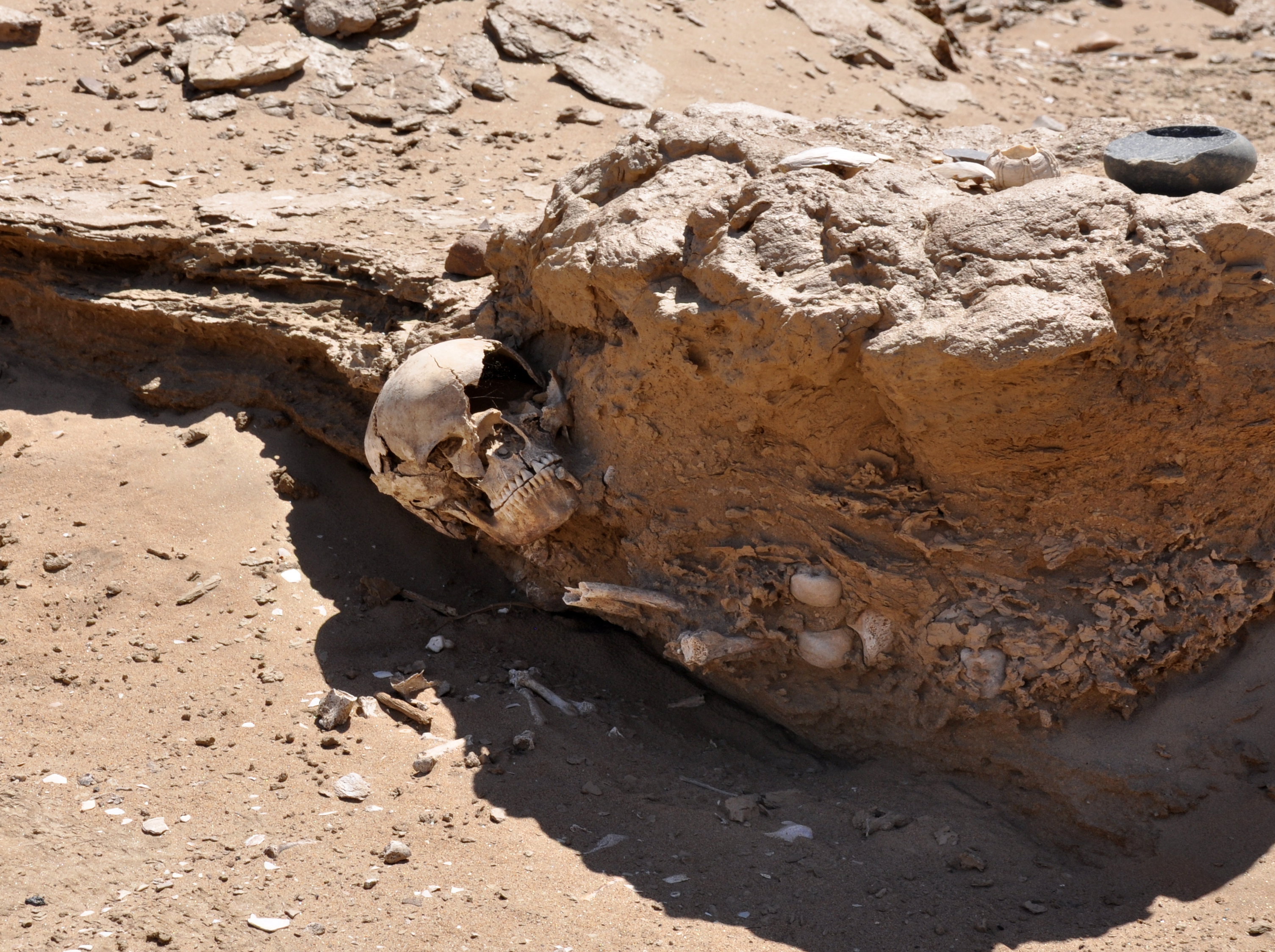
The Berber are the indigenous people of Morocco, (also known as Amazigh, meaning "free people") who have lived there since ancient times. Over the centuries, it saw influences from Phoenicians, Romans, and then, in the 7th and 8th centuries, Arab armies arrived and brought Islam, which became the main religion. From the 11th century onward, powerful Berber dynasties like the Almoravids and Almohads built strong empires that stretched across North Africa and even into Spain, creating beautiful cities full of mosques, palaces, and gardens.
Marrakesh was founded around 1070 by the Almoravids (a powerful Berber Muslim dynasty) as their capital, which was a planned city in the south with massive walls, grand mosques like the Koutoubia, and bustling markets. It quickly became a major center of trade, culture, and Islamic learning. Later dynasties, especially the Saadians in the 16th century, brought a golden age to Marrakesh with lavish palaces and tombs. The current Alaouite royal family has ruled since the 17th century (apparently the longest-reigning dynasty in the region). In the early 20th century, France and Spain controlled parts of Morocco until the country regained independence in 1956 and became the modern Kingdom of Morocco we know today. French is still spoken as a second language in some areas as a result of this history.
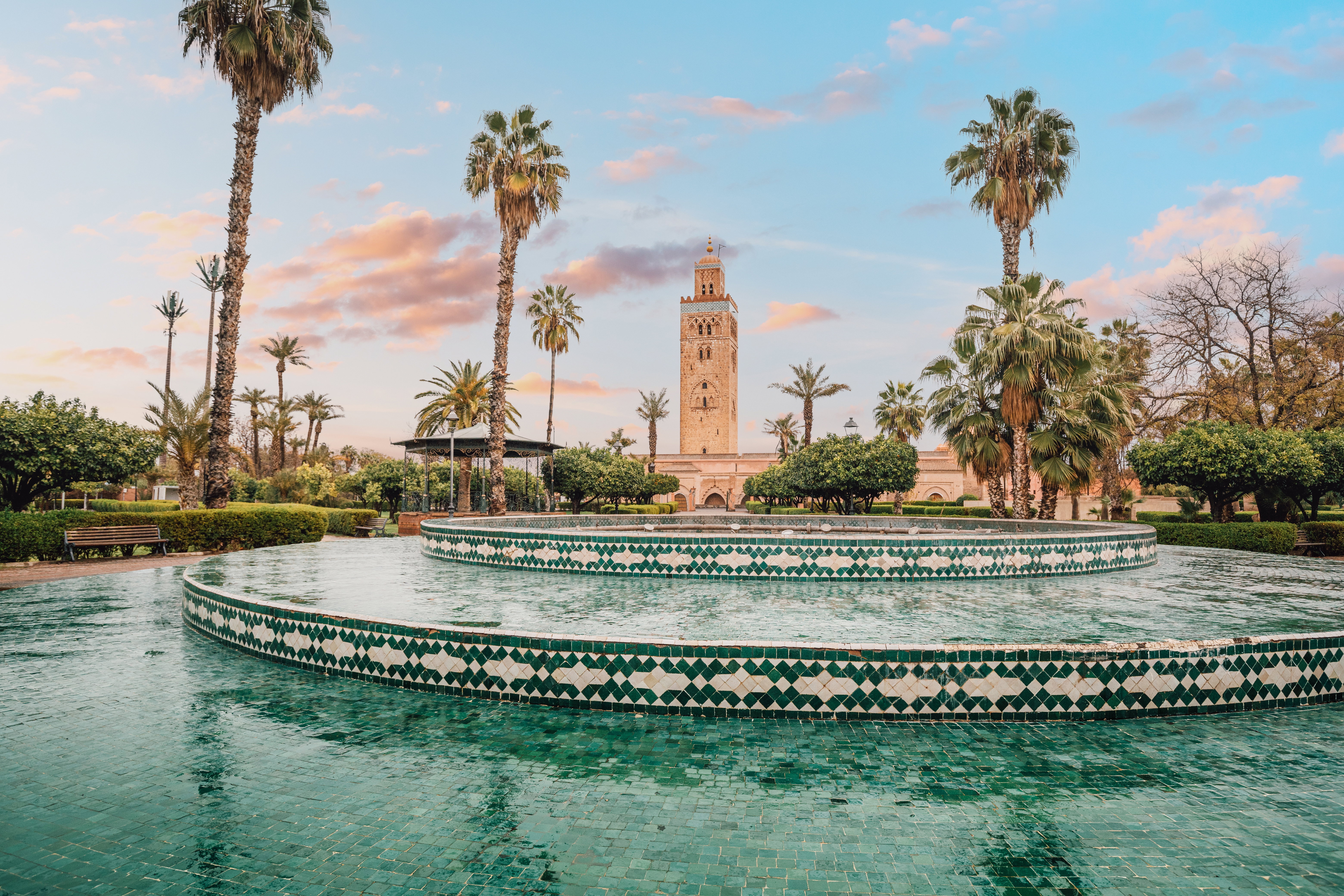
Marrakesh has always been one of the country’s most iconic cities. Its red walls and historic landmarks make it a living symbol of Morocco’s deep, layered past blending Berber roots, Arab-Islamic culture, and African energy. It’s a place where history feels alive around every corner.
TRAVELING IN ISLAMIC COUNTRIES
Morocco's primary religion is Islam, specifically Sunni Islam of the Maliki school. It is practiced by nearly 99% of the population, and it's officially the state religion with the king serving as the "Commander of the Faithful." For travelers, this means the country is welcoming and accustomed to tourists of all backgrounds, but daily life is deeply shaped by Islamic traditions. So... a little cultural awareness goes a long way. We should hear the beautiful call to prayer echoing from minarets five times a day, experience the vibrant rhythm of markets and cafes pausing briefly for prayer, and notice that most mosques (except the grand Hassan II in Casablanca) are reserved for Muslims only.
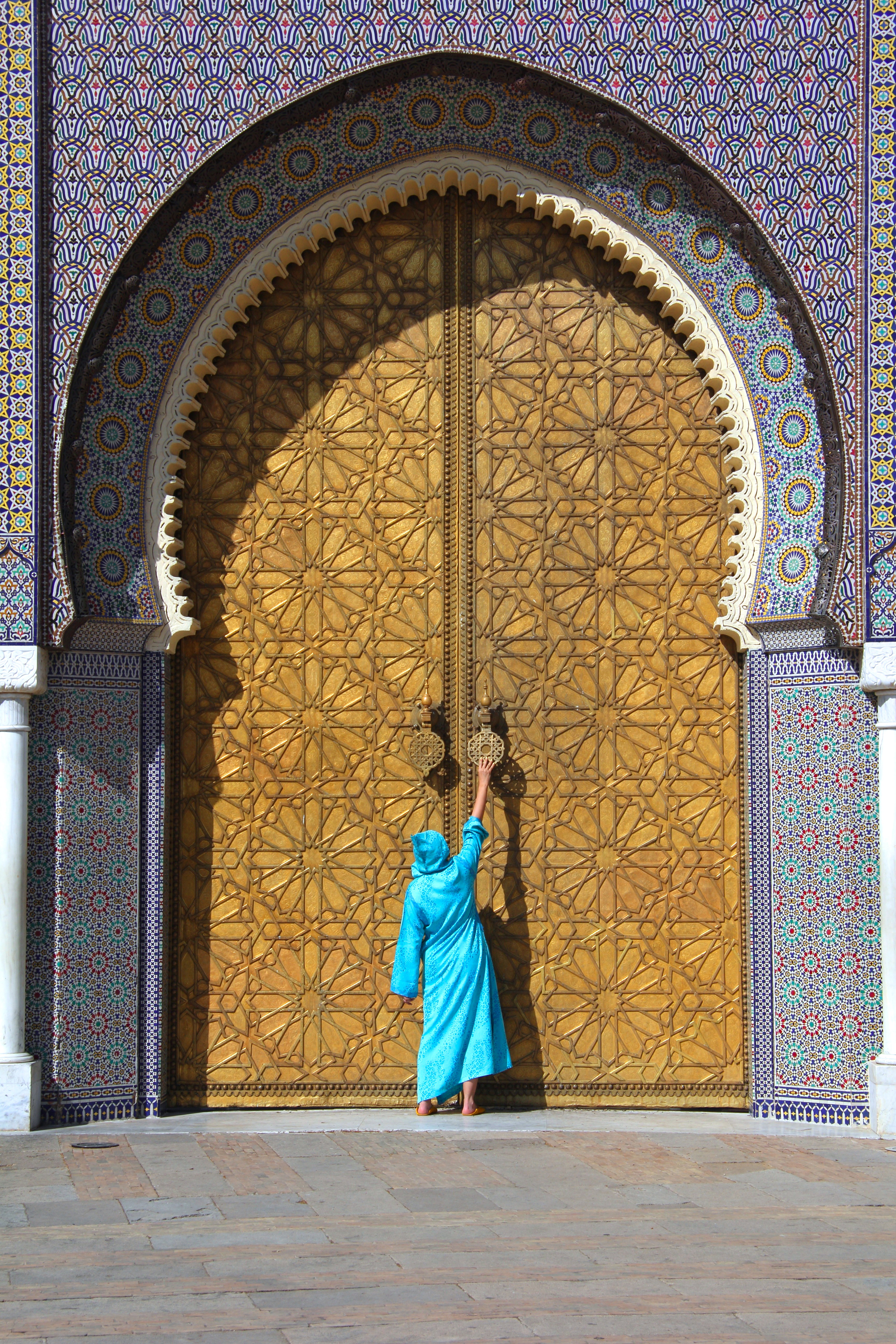
Dressing modestly, at least in my opinion, is a must. As someone who has traveled to Islam-dominant countries, I have gawked with the locals at other female foreigners wearing shorty shorts and sleeveless shirts in sacred spaces. Ladies, you WILL stand out and draw potentially unwelcome attention (and appear culturally offensive and/or ignorant) if you do not follow the culturally approved dress code. When in Morocco, do as the Moroccans. Even in 100 degree weather, females should cover their shoulders, ta-tas and sometimes their knees, especially in less touristy areas. This shows respect and helps one blend in-ish. Women in Morocco, whether locals or tourists, are not required to cover their hair and there's no law mandating a headscarf (hijab), so show off those locks all you wish! Men do not have to cover their shoulders or knees, but loose fitting shorts or linen pants and t shirts that cover your shoulders will help with sun protection.
Alcohol is considered forbidden in Islam, which is no issue for us, as we do not drink. For those who do want a cocktail on your vacation, alcohol is available in hotels, licensed restaurants, and bars but isn't sold or consumed openly in public. If you're visiting during Ramadan (usually in January-March), many locals fast from dawn to dusk, so it's polite to eat, drink, and smoke discreetly in daylight hours, though tourist spots usually remain accommodating. I believe that respecting these customs will enhance our experience and opens the door to Morocco's renowned hospitality.
For those who get confused like my kids do.....Islam is the religion and Muslim is the person who practices Islam. Just as Christianity is the religion and Christian is the person who practices Christianity.
Islam is the second most practiced religion in the world, with Christianity currently in the lead. Islam is also the fastest-growing major religion due to higher birth rates and younger populations, with projections suggesting it could nearly match Christianity by 2050!
READ ABOUT OUR EXPERIENCE HERE!
SEE THE PHOTOS OF OUR TRIP HERE!
THINGS TO DO
We are arriving in Marrakech on May 26 in the evening (if all travel goes as planned...fingers crossed!) and will be picked up by our riad host. It is about 20-30 minutes drive from the airport. Sunset is around 8:30 pm this time of year, so we will be able to see some of the city on our ride into town. Morocco is 6 hours ahead of Austin time, so it will feel like noon when we arrive and may be a challenge falling asleep.
Weather.com shows that the high on Tuesday will be 105 and the low will be 71. Some days it looks like it will be in the 90's with lows in the 60's. The Agafay Desert is very similar, possibly a few degrees cooler at night due to the open landscape. We decided to base our itinerary on the top things to see and the weather.
We plan on visiting several sites including
Jemaa el-Fnaa Square — The iconic UNESCO-listed square pulses with street performers, musicians, storytellers, and food stalls day and night, deal for soaking up Marrakesh's lively energy as a family.
Medina of Marrakesh and Souks — A UNESCO-listed maze of alleys brimming with spices, lanterns, rugs, and leather. This will be the perfect place for Penny to practice family haggling!
Jardin Majorelle — This vibrant botanical garden has electric-blue buildings and exotic plants.
Bahia Palace — A stunning 19th-century palace adorned with intricate zellige tiles, carved cedarwood, and peaceful courtyards.
Koutoubia Mosque — A towering minaret and gardens of Marrakesh's largest mosque (non-Muslims can't enter inside), especially magical during the call to prayer.
Atlas Mountains Day Trip —Our AirBnB host found a driver to take us to the High Atlas Mountains to see Berber villages, valleys, and waterfalls for a fraction of the price on tour sites!
Saadian Tombs — Hidden 16th-century royal tombs with exquisite mosaics and marble. It is supposed to be a peaceful, ornate historical highlight.
Ben Youssef Madrasa — Historic Islamic school featuring incredible tilework and serene courtyards.
Le Jardin Secret — A restored riad with tranquil Islamic and exotic gardens, plus rooftop views. I've read it is an underrated peaceful oasis in the medina.
Traditional Hammam— We are going to a traditional Hammam where the locals go! Penny and I are going to see what a Hammam is really like and it receives wonderful reviews for being an authentic experience!
Click the photo to see our AirBnB!
WHERE TO STAY IN MARRAKESH
We are big AirBnB and VRBOers. Being that we will be in most locations for a full week, we wanted to stay in places where we have a kitchen to cook in, a washer (and dryer when possible), and some breathing room....since we will be in a family pile for months on end. We won't have some of the same conveniences as staying in a hotel, but this makes most sense for our family. Most AirBnB's also offer a significant discounted rate if we stay for a full week, so we saved a lot of money that way!
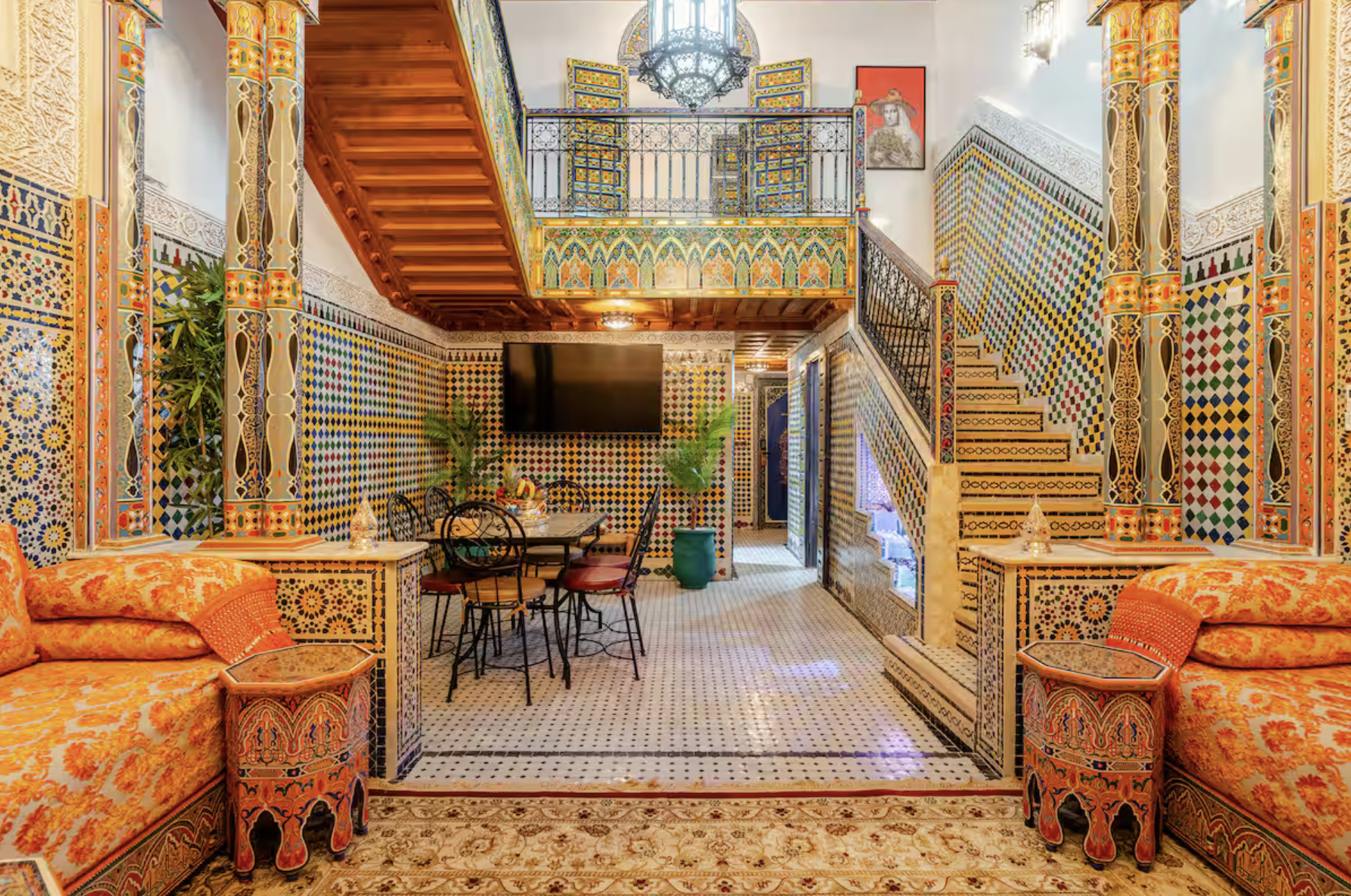
When doing research on where to stay in Marrakesh, I read a lot about being close to the Medina (the historic old city) and staying in something called a "riad," which I was unfamiliar with. So, a riad is the quintessential, traditional Moroccan house centered around an open-air courtyard that often features a fountain, lush plants or even a small plunge pool. From the outside, most riads appear unassuming, hidden behind plain doors in the winding alleys of the medina with little to no signage, but from what I can tell, stepping through the entrance reveals a stunning oasis of intricate zellige tilework, carved plaster details, and cool shaded spaces designed for privacy and escape from the desert heat. Historically built for wealthy families, these multi-level homes have rooms that open onto galleries overlooking the courtyard, and most now include rooftop terraces perfect for breakfast with city views, sunset mint tea, or simply relaxing away from the bustling streets below. Staying in a riad isn’t just an accommodation, it’s the most authentic and atmospheric way to immerse ourselves in Marrakesh magic. Our riad blends old-world charm with modern comfort in a way no standard hotel can match.
I found a riad on AirBnB with excellent reviews in a very safe area just outside of the Medina. I usually like to stay in the hustle and bustle of the town, but I couldn't find a more highly rated riad for the location and price. I will send an update on our personal review once we go!
This is the dining area of our private riad! It was less expensive than most hotels and the host, Younes, has been so incredibly helpful. He also gave us a huge weekly discount, so the decision to stay here was a no-brainer.
READ ABOUT OUR EXPERIENCE HERE!
SEE THE PHOTOS OF OUR TRIP HERE!