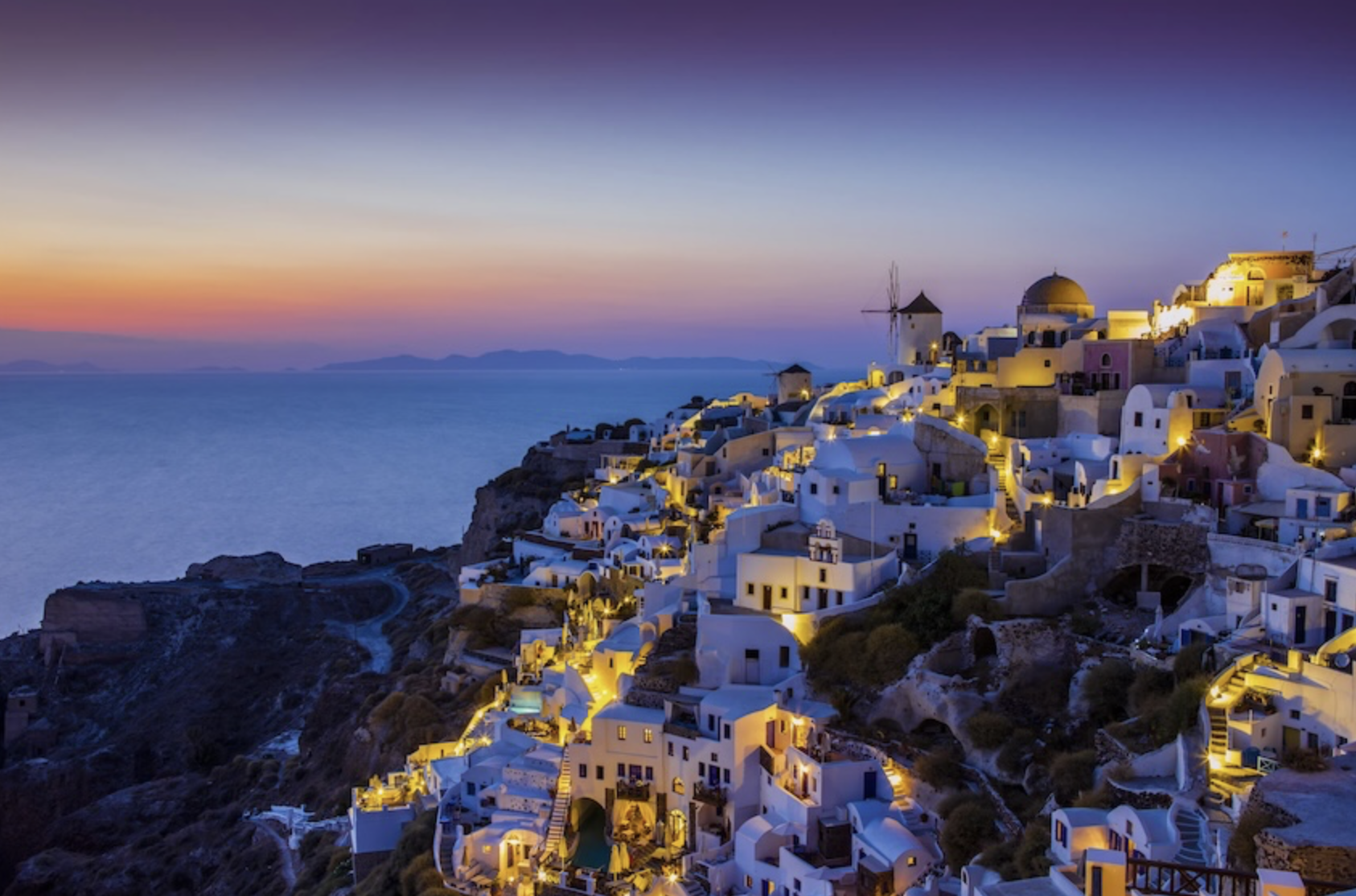
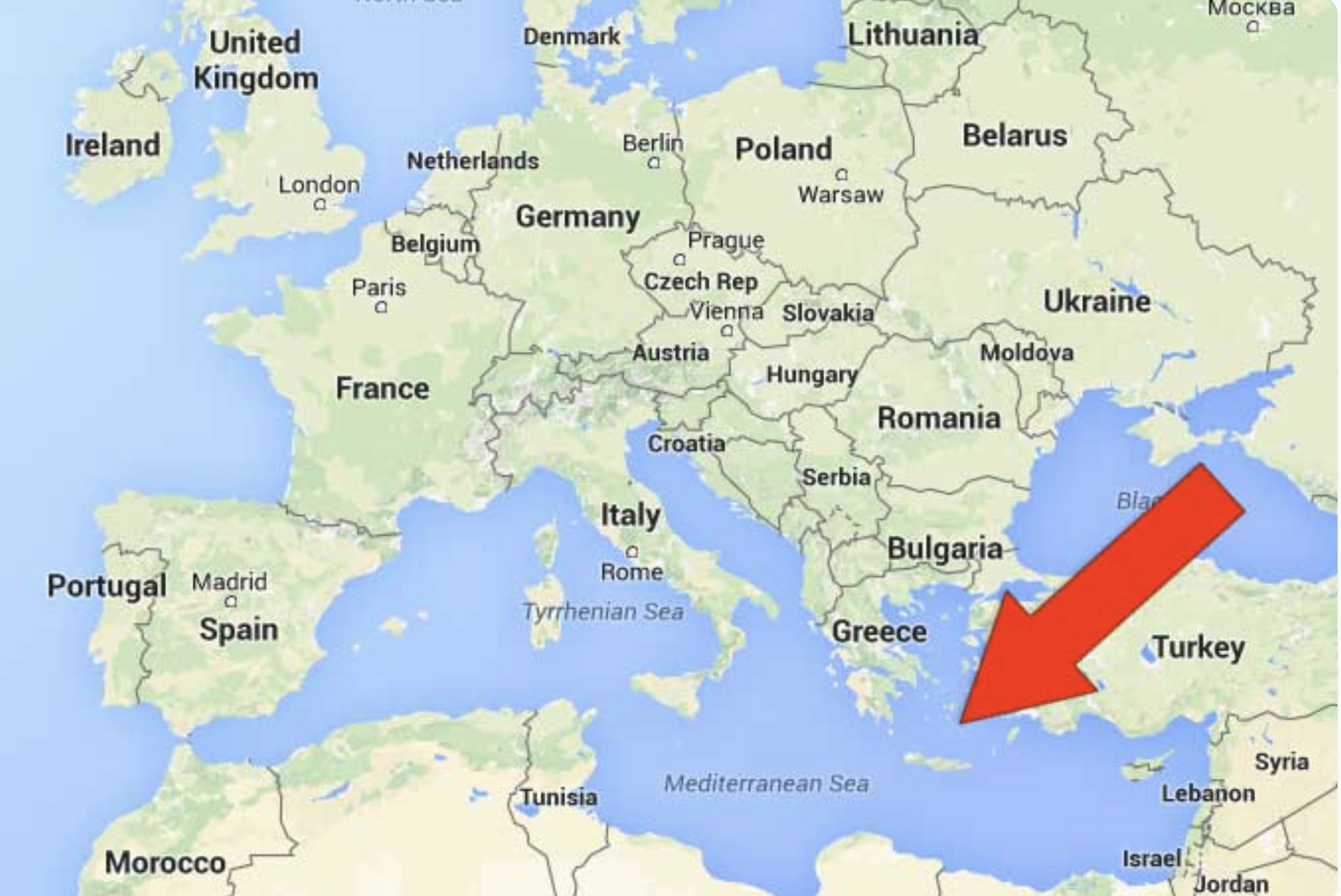
Santorini, Greece
Santorini is a small but spectacular Greek island in the Aegean Sea, formed from the remnants of a massive volcanic caldera. Around 1600 BCE, one of the largest eruptions in human history, the Minoan eruption, devastated the island, collapsing its center into the sea and creating the dramatic cliffs and deep lagoon seen today. The Minoan eruption also generated massive tsunamis that severely impacted Crete and other islands. Many scholars believe this catastrophe contributed significantly to the decline of the Minoan civilization. This cataclysm buried the advanced Minoan settlement of Akrotiri under ash, preserving it remarkably like Pompeii and offering insights into Bronze Age life. Many scholars believe the disaster may have inspired Plato’s legend of Atlantis, the prosperous civilization that vanished suddenly.
The island’s unique volcanic geology influences everything from its striking Cycladic architecture with whitewashed buildings and iconic blue-domed churches clinging to the cliffs, to its world-class wines. The nutrient-rich soil supports Assyrtiko grapes, making Santorini one of the oldest wine-producing regions, with traditions dating back over 3,600 years.
Human presence dates back to the Neolithic period around 7000–3000 BC, with more substantial settlements developing during the Bronze Age. At that time, the island, then more circular, or Strongili, became a prosperous outpost closely connected to the Minoan civilization on Crete.
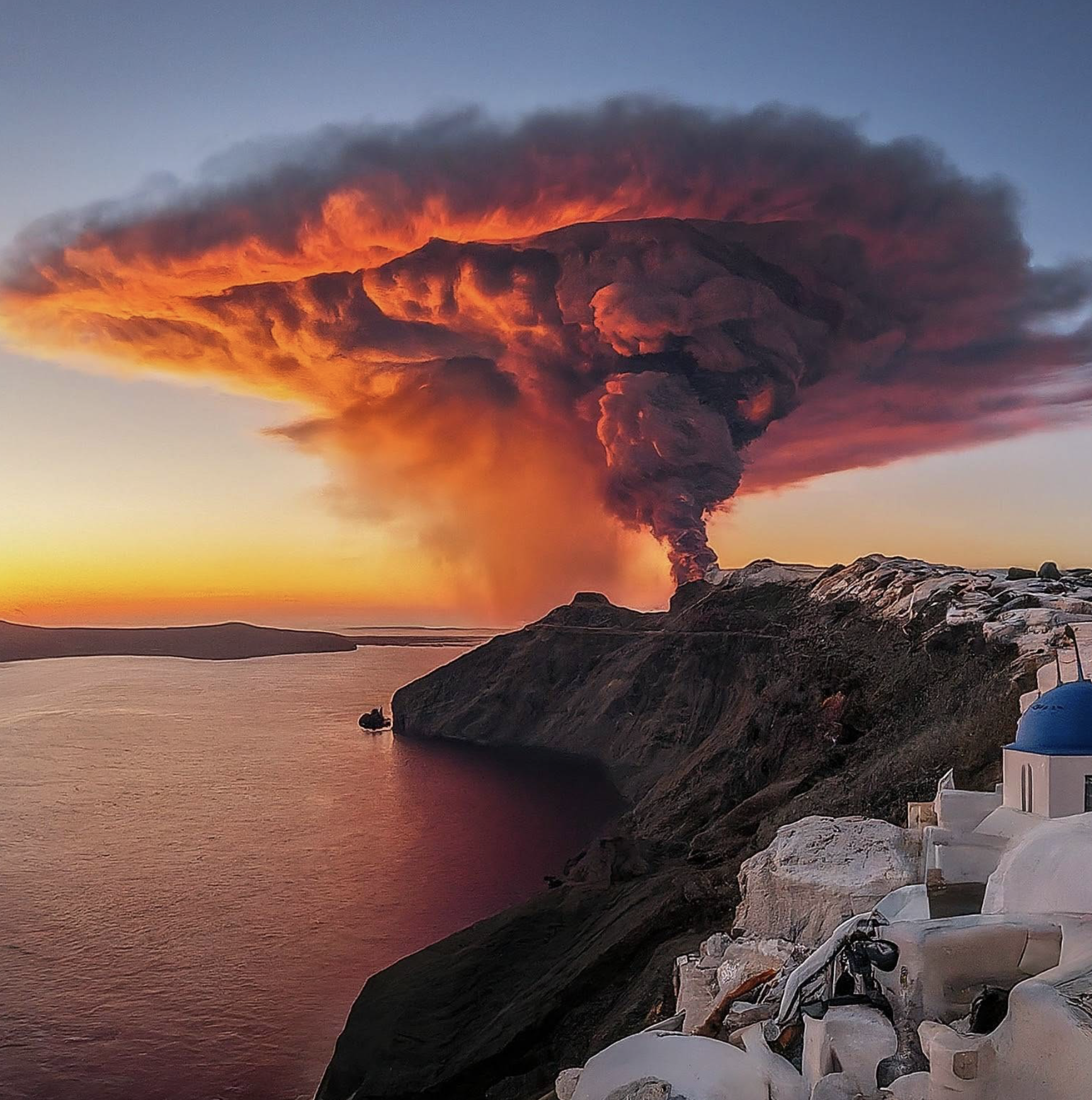
Following the eruption, the island remained largely uninhabited for several centuries. In the 9th century BC, Dorian settlers from Sparta, led by a figure named Theras, colonized the island and founded the city of Ancient Thera on the mesa of Mesa Vouno. The island was subsequently renamed Thera. It flourished as a trading center through the Archaic, Classical, Hellenistic, and Roman periods.
Christianity reached the island in the 4th century AD, and Byzantine influence grew stronger over the following centuries. After the Fourth Crusade in 1204, Santorini came under Venetian control. The Venetians gave the island its modern name, derived from the church of Santa Irene. It later fell under Ottoman rule from the late 16th century until the Greek War of Independence in the 1820s, when it became part of the modern Greek state.
A devastating earthquake in 1956 caused significant damage, but the island was rebuilt and has since transformed into one of the world’s most famous tourist destinations, celebrated for its sunsets, unique architecture, and vineyards planted in volcanic soil. Today, Santorini remains volcanically active. Its rich archaeological heritage, particularly the remarkably preserved Minoan site of Akrotiri and the ancient city of Thera, continues to attract scholars and visitors alike, making it a living testament to the interplay between nature’s power and human civilization.
THINGS TO DO
Oia Village & Sunset Views We are staying in Oia, near the very north tip of the Island. Oia is an iconic whitewashed village with blue domes, winding streets, and the world's most famous sunset over the caldera.
.Fira to Oia Caldera Hike Scenic 10km trail along the caldera rim through villages like Firostefani and Imerovigli.
Red Beach (Kokkiní Paralia) Dramatic red volcanic cliffs towering over black and red pebbles and turquoise waters.
Perissa & Perivolos Black Sand Beaches Long stretches of black volcanic sand with clear waters, beach bars, and water sports. Family-friendly with loungers, tavernas, and calm swimming — perfect summer lounging spot.
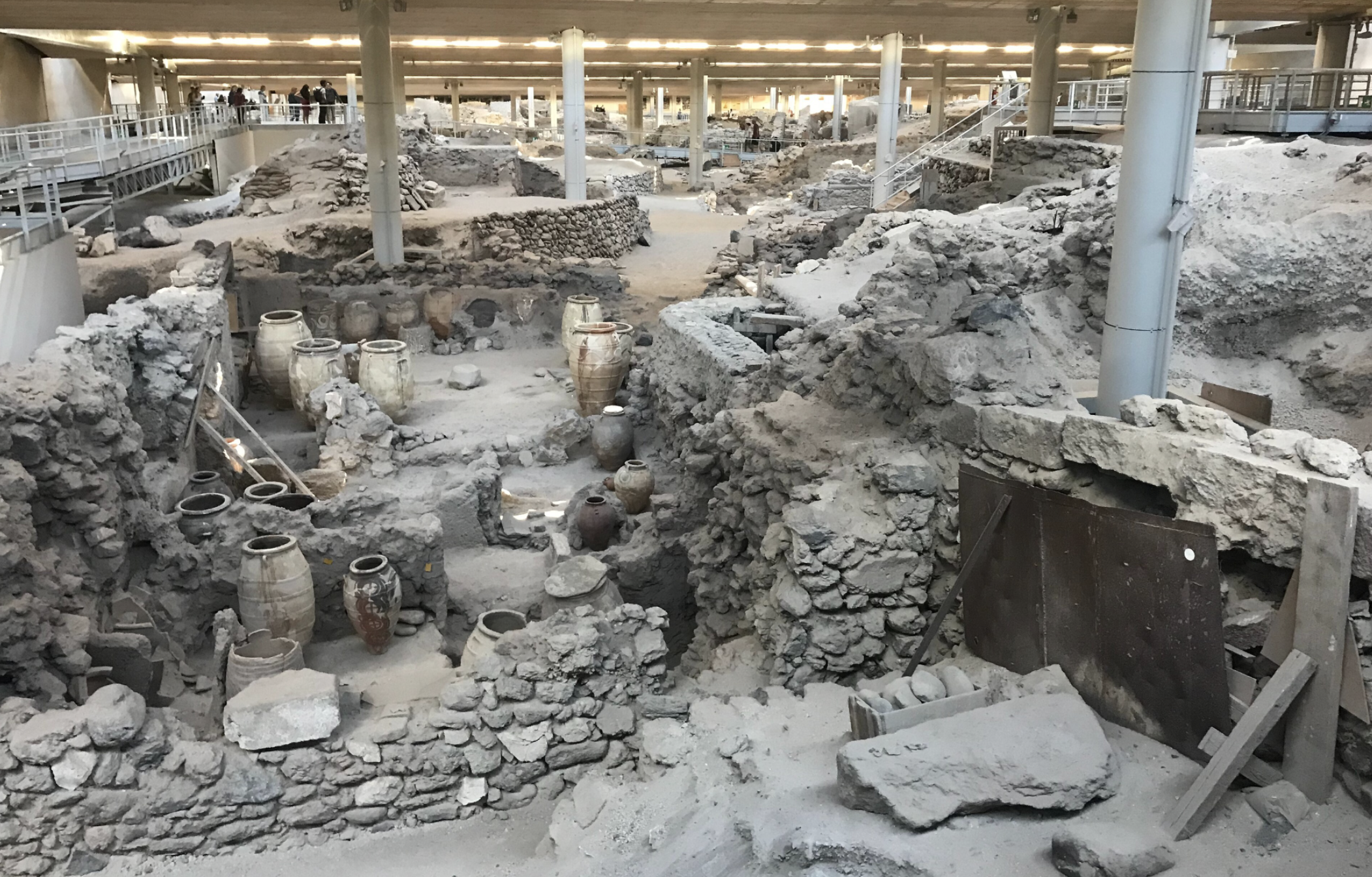
Akrotiri Archaeological Site " Pompeii of the Aegean" — preserved Minoan ruins buried by volcanic ash, with frescoes and streets.
Vlychada Beach Secluded lunar-like beach with white pumice cliffs and rock formations.
Thirassia Island Day Trip Short boat ride to untouched neighbor island where we can hike trails, swim in quiet coves, and enjoy traditional tavernas. Relaxed, authentic escape from crowds.
Akrotiri Lighthouse Historic 1892 lighthouse on the southwest tip of the island with panoramic sea views and dramatic sunsets.
Santorini Animal Welfare Association (SAWA) Non-profit shelter caring for stray dogs, cats, donkeys, mules. We can walk dogs on the beach if we have time.