Paris, France
Paris is one of the most famous cities in the world. Its layered history stretches back over 2,000 years. It all began around 250–225 BC when a Celtic tribe called the Parisii settled on an island in the Seine River (today's Île de la Cité). They named their village Lutetia, or Lutèce, meaning something like "midwater dwelling." In 52 BC, the Romans conquered it during Julius Caesar's campaigns in Gaul, turning Lutetia into a proper Roman town with forums, amphitheaters (you can still see ruins like the Arènes de Lutèce), baths, and aqueducts.
By the 4th century AD, the name shifted to Paris, and it became an important city in the late Roman Empire. After the Roman Empire fell in the 5th century, Paris came under Frankish (early French) rule. In the late 5th century, King Clovis made it his capital, helping establish the foundations of France. The city faced tough times with Viking raids, notably a long siege in 885–887, but it grew stronger. In 987, Hugh Capet was crowned king, starting the Capetian dynasty, and Paris officially became the capital of the Kingdom of France.
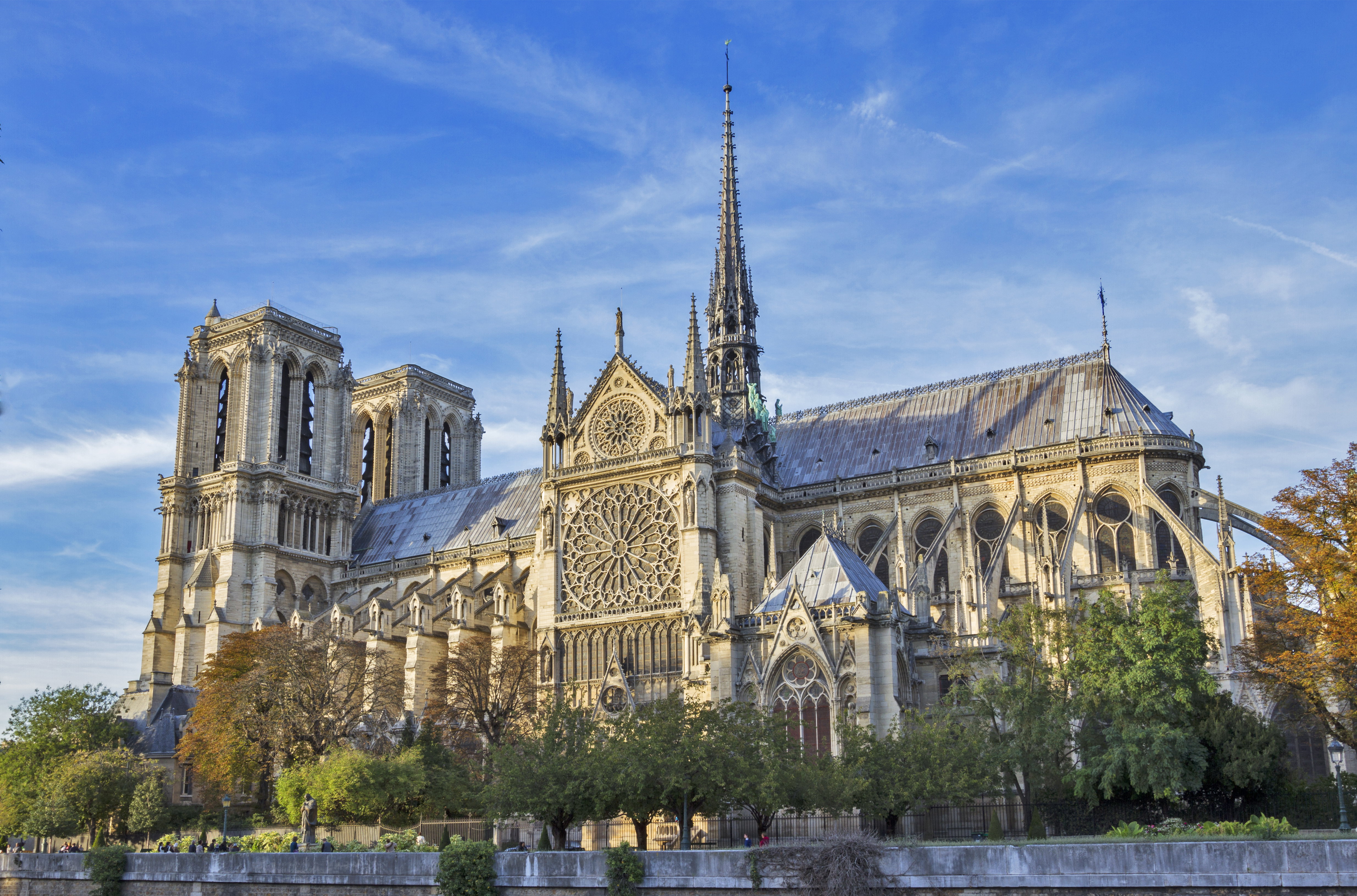
The Middle Ages were a golden era: Notre-Dame Cathedral began construction in 1163, the University of Paris (one of Europe's oldest) emerged around 1150, and the city expanded with grand Gothic architecture, markets, and walls for defense. The 16th–18th centuries brought religious wars. The Renaissance, had kings like Francis I adding elegant châteaux influences. There was absolute monarchy under Louis XIV, who moved the court to Versailles in 1682 but kept Paris as the cultural heart.
The big turning point came in 1789 with the French Revolution: Parisians stormed the Bastille prison on July 14 (now France's national holiday), overthrew King Louis XVI (executed in 1793), and ushered in radical changes, including the Reign of Terror. Napoleon Bonaparte rose from the chaos, crowning himself emperor in 1804 at Notre-Dame and modernizing Paris with grand boulevards and monuments like the Arc de Triomphe.
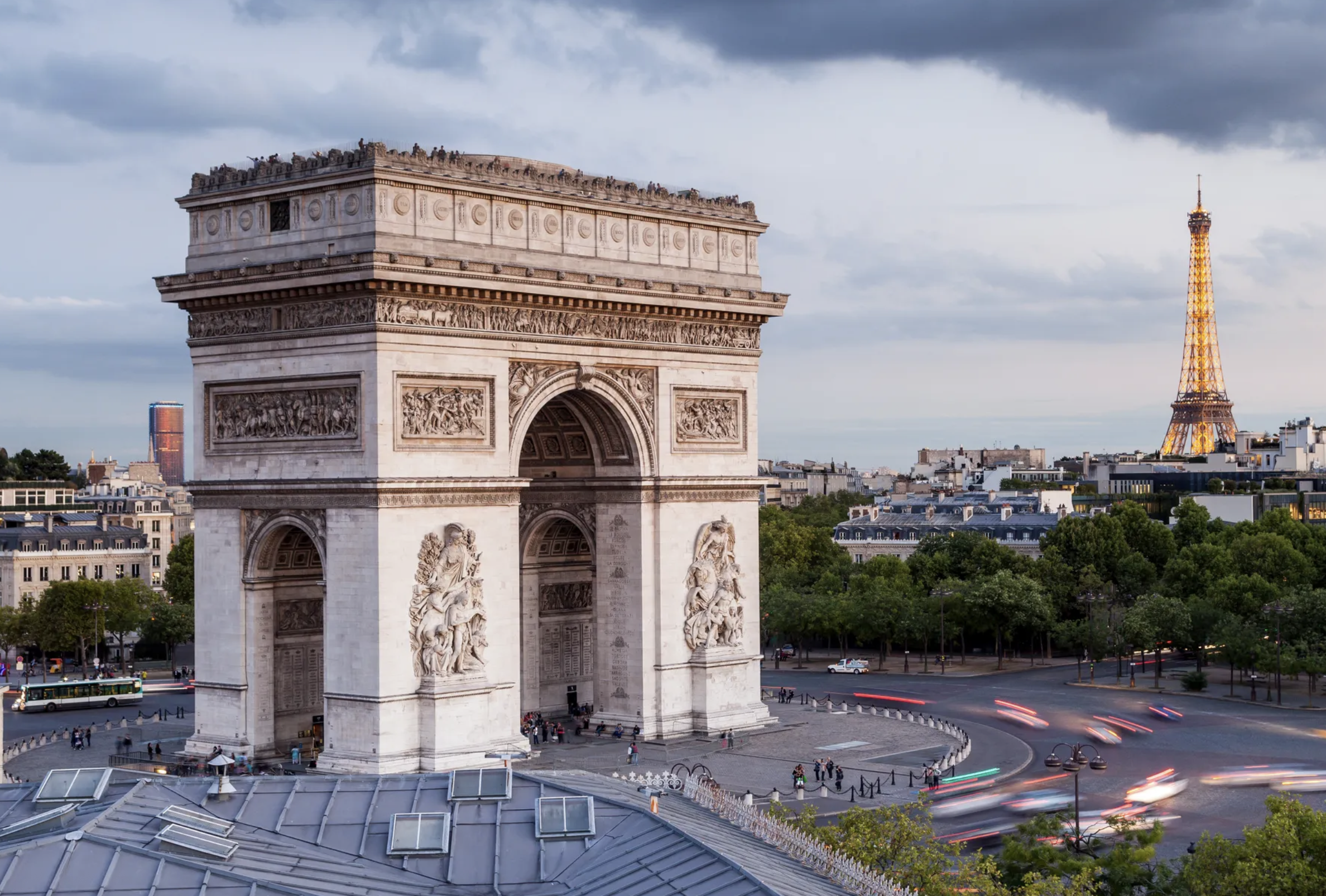
The 19th century saw revolutions in 1830 and 1848, plus Napoleon III's massive transformation under Baron Haussmann (1853–1870). Wide avenues, uniform stone buildings, parks, sewers, and the grand opera house were started during his reign. The Eiffel Tower was built for the 1889 World's Fair to celebrate the Revolution's centennial and was not supposed to be up long-term, but became so popular the government decided to keep it as a permanent installation. The 20th century included two World Wars (Paris was occupied by Nazis 1940–1944 but liberated in 1944), post-war rebuilding, student protests in May 1968, and growth into a global cultural and fashion capital.
Today, Paris blends its ancient roots including Roman ruins, medieval churches with Belle Époque glamour, modern art such as Centre Pompidou, and iconic landmarks, remaining a symbol of romance, revolution, and art. It is home to about 2.1 million in the city proper and over 12 million in the metro area.
FOOD TOURISM
The family plans on eating our way through Paris. We've been reading blogs, watching videos, and getting tips from friends who’ve been there, and now we're buzzing with excitement about all the food we are going to try. People rave about how Paris turns simple ingredients into something unforgettable. We have created a list of all of the "must eats" while we are there. These are all on our checklist:
- Flaky, golden croissants and pain au chocolat that are supposedly life-changing when fresh and warm.
- A perfect baguette: crispy outside, soft inside, often torn and shared on the go.
- Cheeses like creamy Brie, sharp Comté, or whatever looks good at a fromagerie.
- Escargots swimming in garlic-herb butter
- Comforting classics like French onion soup with a cheesy top, tender duck confit for Darrel, steak frites for Finn, boeuf bourguignon, or even coq au vin, a special chicken soup I think Penny will love.
- For sweets we will be trying macarons, éclairs, crème brûlée, Paris-Brest (choux pastry ring with praline cream) and baba au rhum (if the rum has been burned off).
Paris is also famous for its buttery pastries known as viennoiseries, incredible breads, and desserts that are almost too pretty to eat. It all sounds so quintessentially French! Here are some of the spots we've heard glowing recommendations about. We're crossing our fingers for good luck with lines and I plan on making reservations to some of the special spots.
Cafes and Pastry Shops
- Du Pain et des Idées — Everyone talks about their legendary escargot-shaped pistachio-chocolate pastry and top-notch croissants.
- Pierre Hermé — Supposedly the master of macarons with wild, delicious flavors.
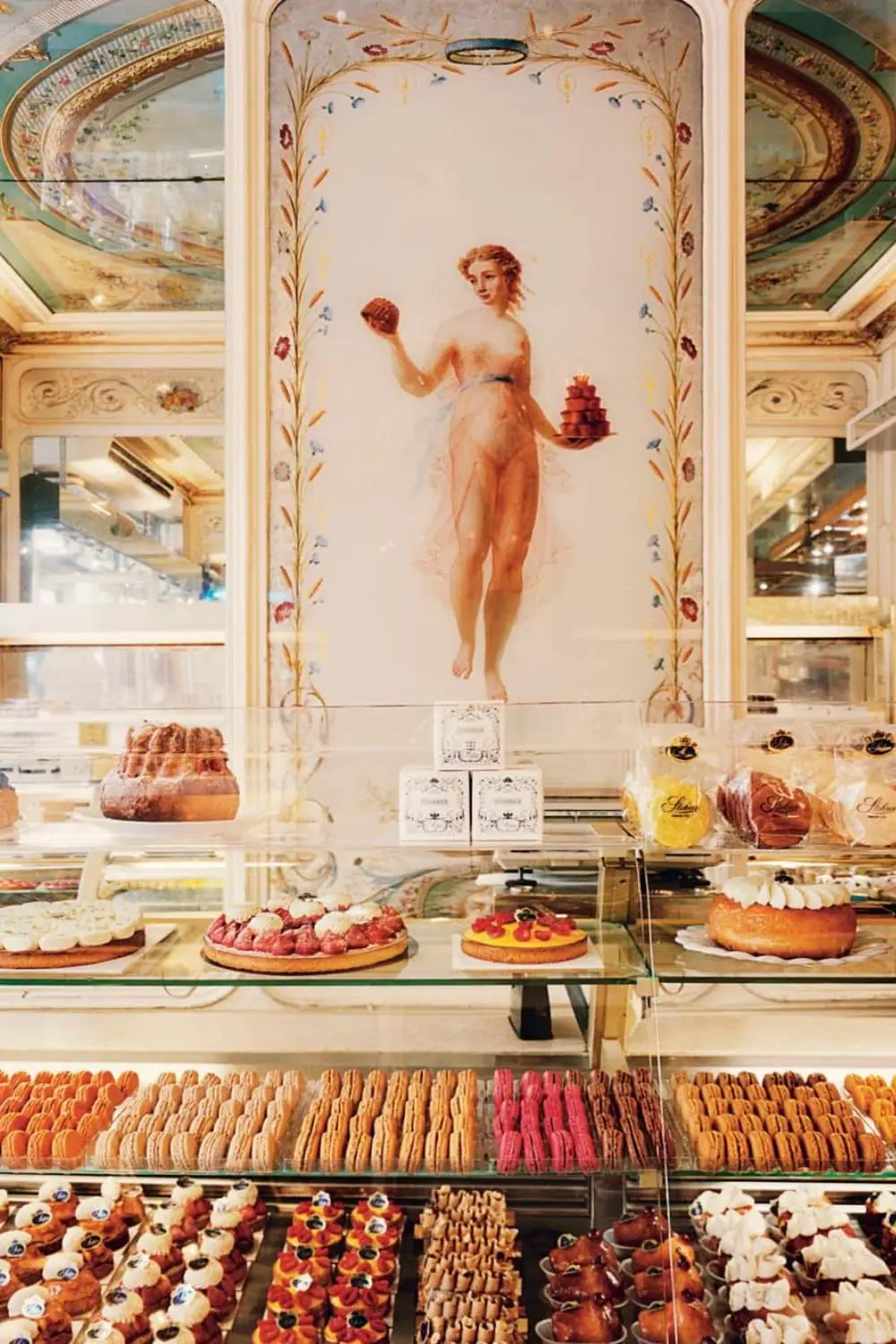
- Stohrer — The oldest patisserie (from way back in 1730), and their baba au rhum gets mentioned all the time.
- Cédric Grolet or similar spots like Yann Couvreur. People say the tarts and mille-feuille here are stunning and worth seeking out.
- L'Avant Comptoir — We've heard it's lively with small plates, great wine, and a fun vibe for sharing bites.
- Breizh Café — Everyone recommends the buckwheat galettes (savory crepes) and sweet ones.
- Bouillon Chartier — Classic, affordable, old-school Parisian atmosphere with dishes like escargots and steak frites that people love.
CATACOMBS? YES, PLEASE!
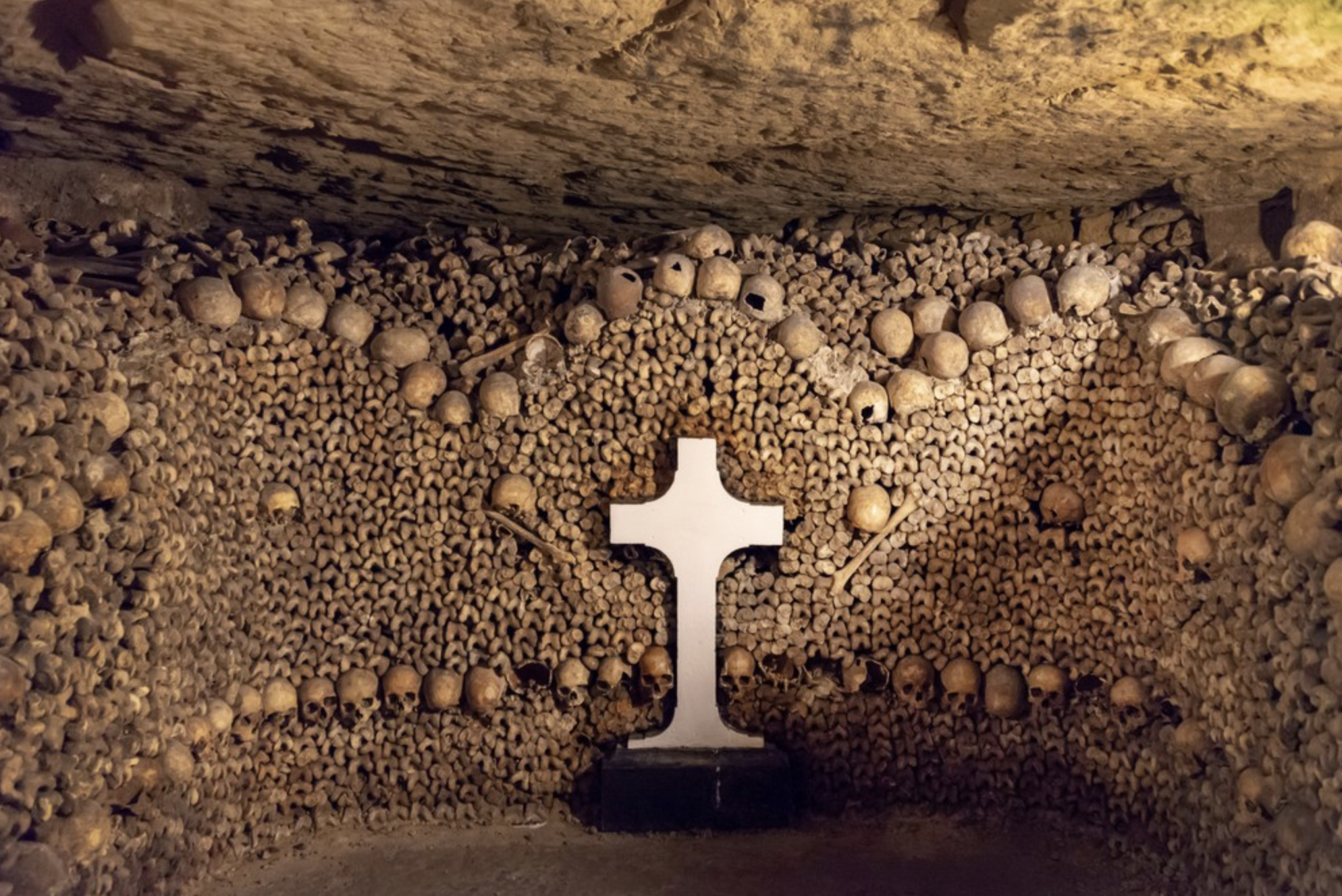
So, anyone who knows us knows Darrel and I love creepy things. The kids are also becoming more and more interested in creepy things, too, which warms our hearts. Darrel is a homicide detective and I often start and end my day with true crime podcasts. Horror is my favorite genre and you will rarely find any of us watching a RomCom. Booooring. Medical oddities are particularly fascinating to us. Is it pathological? I mean....I don't think so? I think many people are fascinated by creepy things, we just don't pretend like we aren't. So, the family and I have delved into the history of the Paris Catacombs, and what we've uncovered has only heightened our anticipation for seeing them firsthand. Who wouldn't want to go into dark, dank tunnels under a bustling city to look at 6 million human remains?
The story begins in the late 18th century, amid a profound urban crisis in pre-Revolutionary Paris. By the 1770s, the city's ancient cemeteries, particularly the notorious Cimetière des Innocents near Les Halles, had become catastrophically overcrowded after centuries of continuous burials. Graves were piled high, walls collapsed under the weight, and putrid odors permeated entire neighborhoods, contributing to outbreaks of disease. Worse still, structural failures in the saturated soil led to dramatic sinkholes that swallowed homes and streets whole.
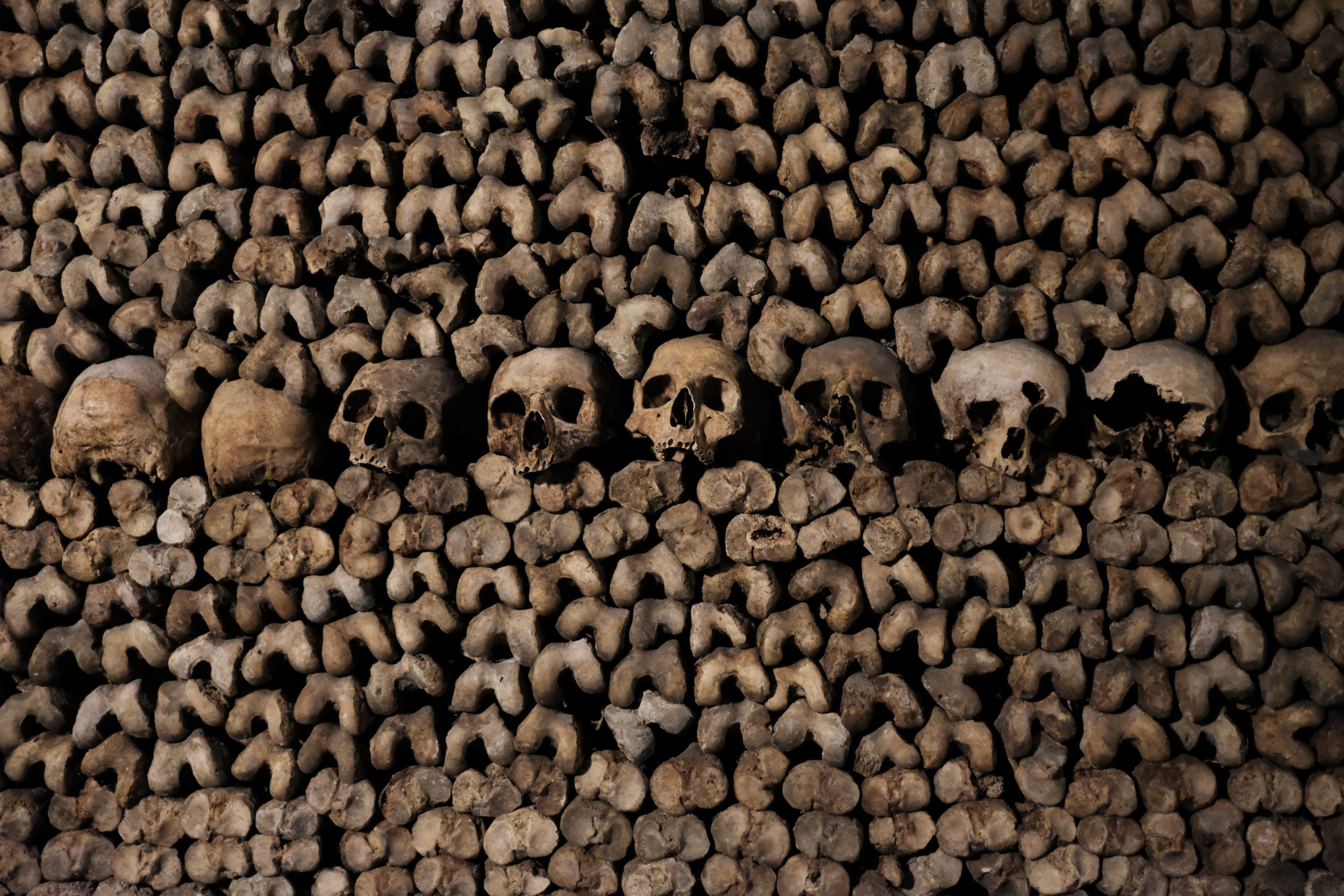
In response, royal authorities initiated a sweeping project in 1785–1786 under the direction of Inspector General Charles-Axel Guillaumot. They selected a network of abandoned limestone quarries which were interconnected tunnels excavated since Roman times to supply building stone for the city above. These subterranean galleries, stretching across southern Paris, offered a macabre but practical solution. From 1786 onward, in nocturnal processions to minimize public unrest, workers exhumed remains from the cemeteries and transported them underground. The transfer continued intermittently through the early 19th century, eventually encompassing bones from dozens of sites and totaling the remains of approximately six million individuals.
Under the supervision of Louis-Étienne Héricart de Thury, appointed in 1809, the ossuary was transformed into an orderly, almost architectural space: long femurs stacked as supporting walls, skulls arranged in decorative motifs including crosses, hearts, and geometric patterns, and plaques inscribed with somber Latin and French reflections on mortality, such as "Arrête! C'est ici l'empire de la Mort" ("Stop! This is the empire of Death"). We are genuinely excited at the prospect of descending into this haunting underworld. We've read accounts describing the profound quiet, broken only by dripping water and echoes, and the artistry of the bone arrangements. It promises to be an unforgettable, slightly chilling highlight amid Paris's more conventional attractions.
From firsthand traveler reports, we've gathered several practical insights that should help us prepare. The accessible portion of the ossuary covers roughly 1.5 kilometers (nearly a mile) of the estimated 300+ kilometers of tunnels, forming a carefully curated circuit that takes about 45–60 minutes to complete. Visitors descend 131 steep steps to a cool and humid at around 57°F, with high humidity that can feel clammy. I have read that layers and perhaps a light jacket are advisable, even in summer.
THE EIFFEL TOWER
The eiffel tower was built by Gustave Eiffel for the 1889 World’s Fair, and the tower was originally meant to be temporary. Standing at 324 meters tall, it was the tallest man-made structure in the world for 41 years. It’s made of 18,000 iron pieces held together by 2.5 million rivets. At night it sparkles with 20,000 lights for five minutes every hour which is said to be pure magic. We’re definitely doing both day and sunset/nighttime visits and will be eatting lunch at the less fancy of the two restaurants because the pre-fixe menu price is cheaper than buying tickets to the top of the tower, as they sold out months ago and are being scalped for 7x their normal price. We get free entry into the tower when we eat at the restaurant.
PLACES TO SEE
Eiffel Tower Iconic landmark offering stunning city views via elevator or stairs. We will be eating lunch at Madame Brasserie inside the tower; it costs less than purchasing sold-out tickets to the top!
Louvre Museum World-famous art collection including the Mona Lisa and Venus de Milo. We got first entry morning tickets to avoid the crowds.
Catacombs of Paris Underground ossuary with millions of arranged bones in historic tunnels. Eerie and fascinating.
Seine River Cruise Relaxing boat ride past major sights like Notre-Dame and the Eiffel Tower. Family-friendly with audio guides; evening options sparkle beautifully.
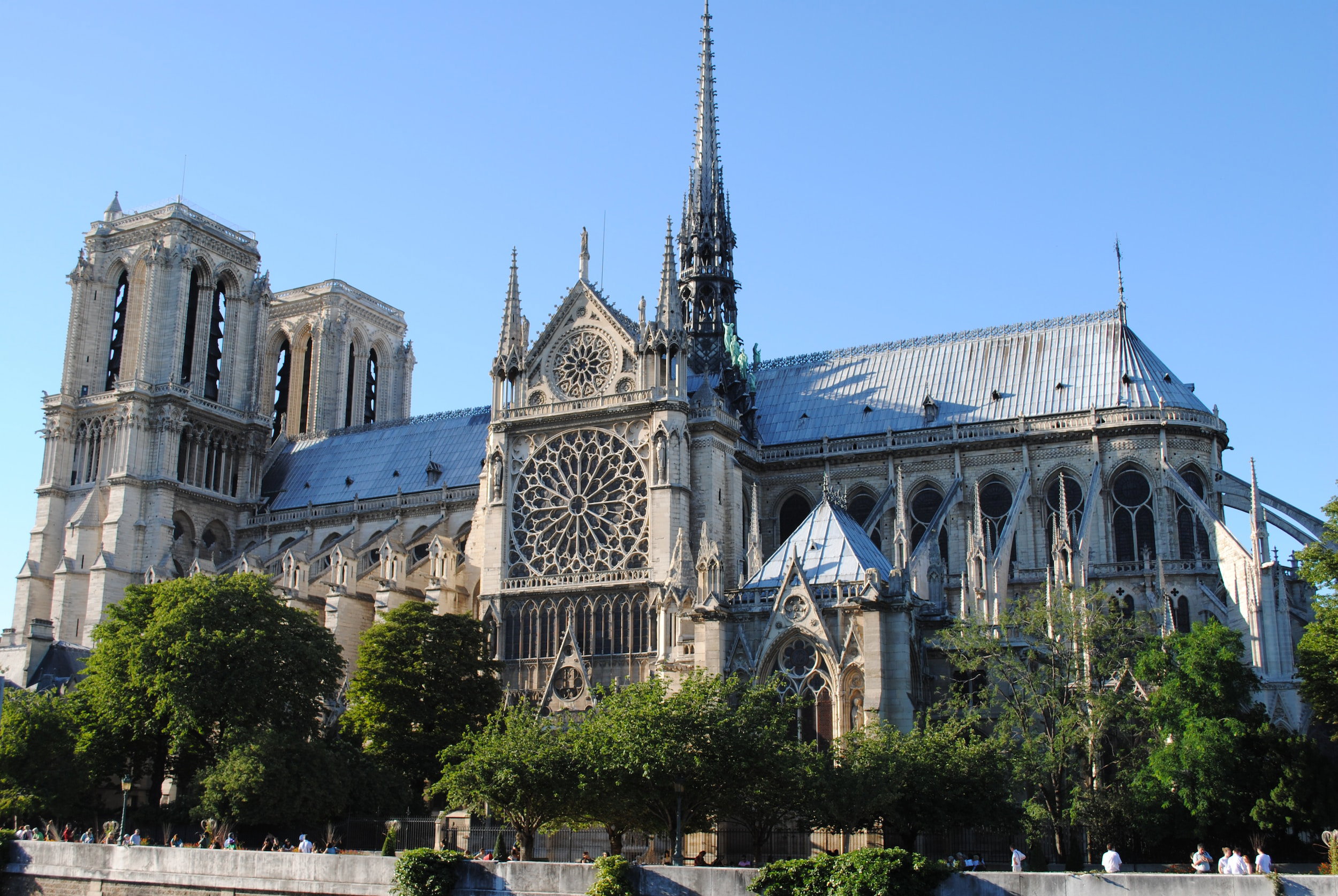
Notre-Dame Cathedral Recently restored Gothic masterpiece with stunning architecture and history.
Jardin du Luxembourg (Luxembourg Gardens) Central park with playgrounds, puppet shows, pony rides, and toy sailboats on the pond.
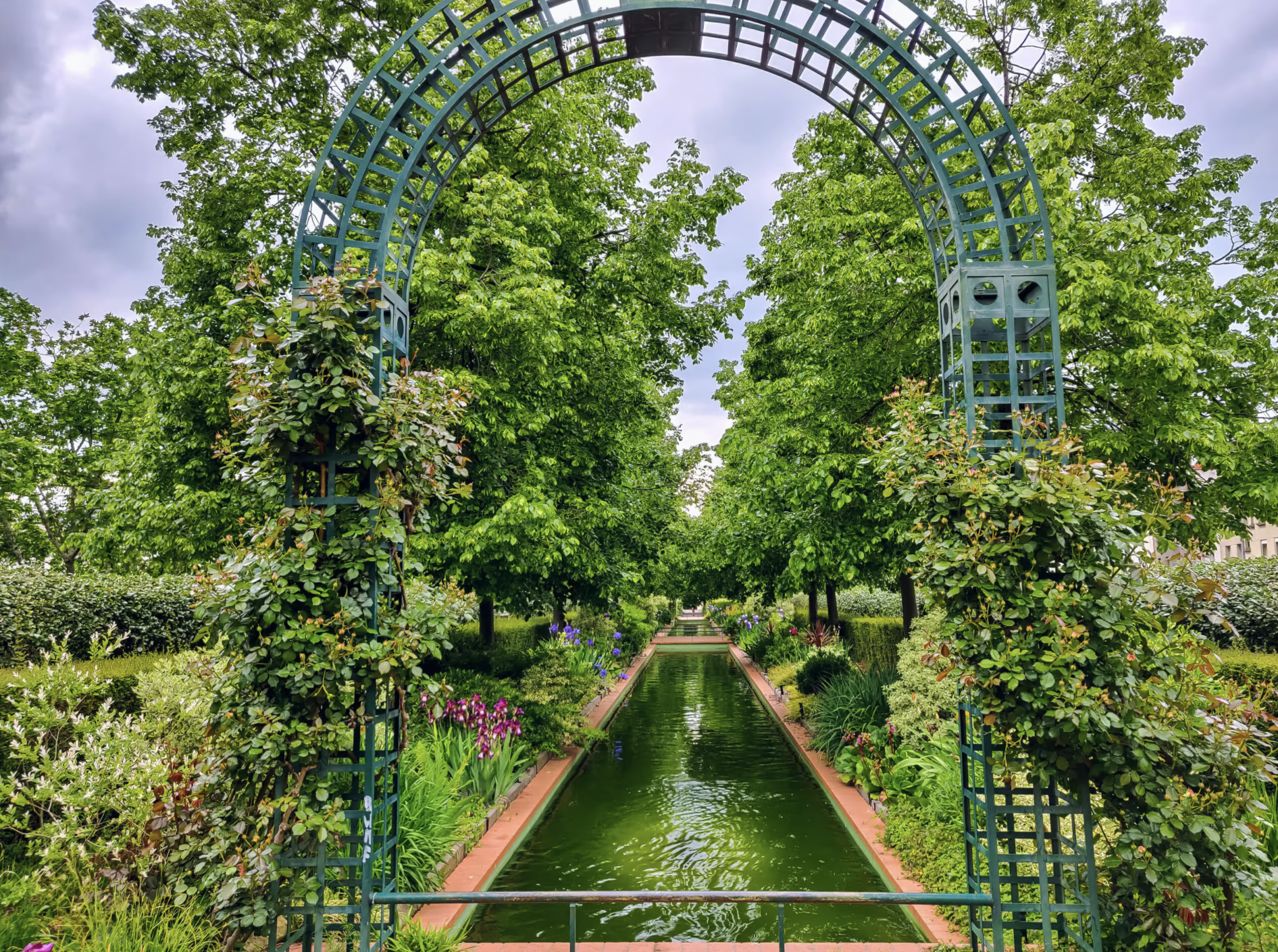
Promenade Plantée (Coulée Verte René-Dumont) Elevated linear park on an old railway. A quiet, green escape away from crowds.
Musée d'Orsay Stunning Impressionist collection in a former train station. Less overwhelming than the Louvre; family-friendly with audio guides and beautiful architecture.
Parc des Buttes-Chaumont Hilly park with waterfalls, a temple folly, and playgrounds. Lesser-known gem.
Musée de la Magie et des Automates Quirky museum of magic tricks, illusions, and vintage automatons.
Musée de l'Orangerie Nestled in the Tuileries Garden, it is most famous for housing Monet's breathtaking Water Lilies murals.
Picasso Museum Located in a gorgeous 17th-century mansion, it holds the largest and most comprehensive collection of Pablo Picasso's works.
Arc de Triomphe & Champs-Élysées Walk down the famous avenue and climb to the top of the Arc de Triomphe for unmatched views of the city.
Sainte-Chapelle step into Sainte-Chapelle for its breathtaking 13th-century stained glass.