Luxembourg, Luxembourg
Luxembourg is a small but resilient Grand Duchy nestled between France, Belgium, and Germany. What is a Grand Duchy, you ask? It is a territory ruled by a Grand Duchess or Duke. In the European ranking of titles, the order was (roughly): Emperor → King → Grand Duke → Duke → Prince → Count.
Luxembourg is most famous for being one of the wealthiest nations in the world, with an exceptionally high GDP per capita. This wealth comes largely from its status as a major global financial center, attracting thousands of investment funds, banks, and multinational companies thanks to its stable economy and business-friendly policies.The country also plays a significant role in the European Union. As one of the EU’s founding members, Luxembourg hosts important European institutions, most notably the European Court of Justice.
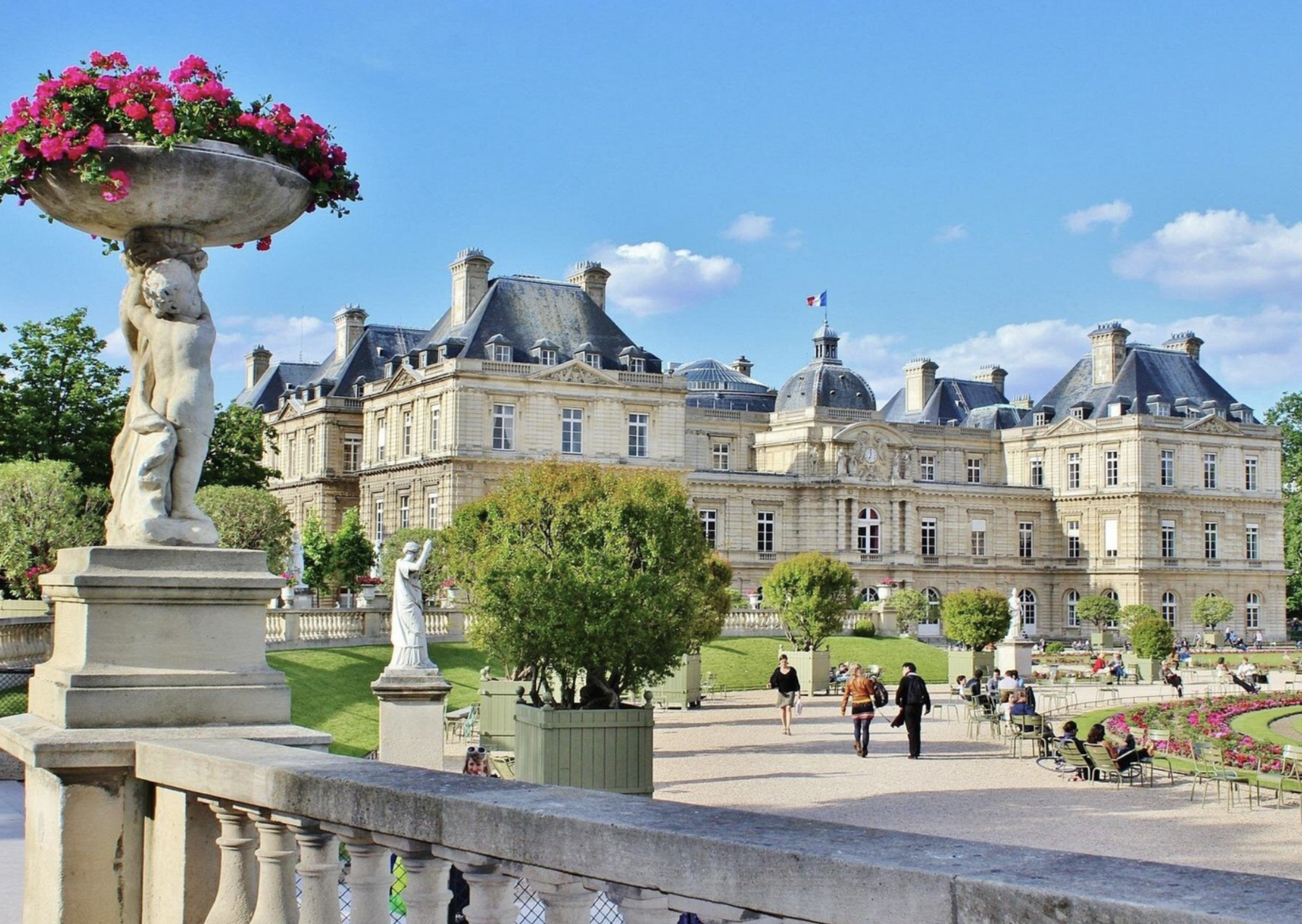
In addition to its modern importance, Luxembourg is celebrated for its rich history and stunning scenery. Often called the “Land of Castles,” it features over 130 castles and ruins. Luxembourg City is particularly impressive with its dramatic clifftop setting and UNESCO-listed historic fortifications. Beyond finance and history, Luxembourg offers a very high quality of life, beautiful countryside, excellent public services, and a multilingual population. It is known for being safe, clean, and welcoming.
Luxembourg also boasts a history that stretches back over a thousand years. Its story is one of strategic importance, frequent changes in rulers, and eventual hard-won independence.
The recorded history of Luxembourg begins in 963, when Count Siegfried of the Ardennes acquired a small Roman-era fortress called Lucilinburhuc (meaning "little fortress") perched on a rocky promontory along the Alzette River. This castle became the cradle of the nation, and its name evolved into Luxembourg. Siegfried and his descendants expanded their holdings through marriages, conquests, and alliances, turning the county into a significant player in medieval Europe.
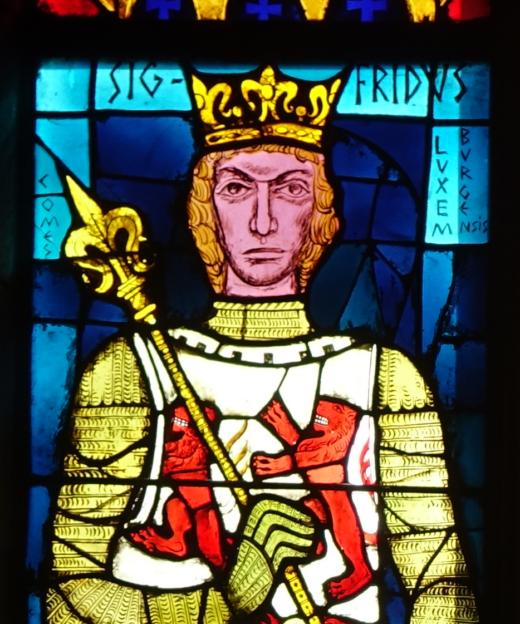
In the 14th century, the House of Luxembourg reached its peak. Henry VII became Holy Roman Emperor in 1308, and his successors, Charles IV, Wenceslas, and Sigismund, continued the dynasty's influence, providing emperors and kings to the Holy Roman Empire and Bohemia. In 1354, Charles IV elevated the county to a duchy, boosting its status. After the dynasty died out without heirs in the early 15th century, Luxembourg passed to the Duchy of Burgundy in 1443, then to the Habsburgs in 1477.
It became part of the Spanish Netherlands in the 16th century and later the Austrian Netherlands after the War of the Spanish Succession (1713–1714). The region endured repeated invasions and occupations, including devastating periods during the Thirty Years' War and under Louis XIV of France, who captured Luxembourg City in 1684.The French Revolutionary armies seized the area in 1795, incorporating it into France until Napoleon's defeat. At the Congress of Vienna in 1815, Luxembourg was recreated as a Grand Duchy in personal union with the Kingdom of the Netherlands under King William I. This arrangement aimed to create a buffer state, but tensions arose.
In 1830, the Belgian Revolution led to Luxembourg being split: the Treaty of London in 1839 gave the western half to the new Kingdom of Belgium, while the eastern part remained a Grand Duchy under Dutch rule. Full independence and neutrality were guaranteed by the Second Treaty of London in 1867, after the Luxembourg Crisis nearly sparked war between France and Prussia. The famous fortress of Luxembourg City was dismantled to prevent future conflicts.
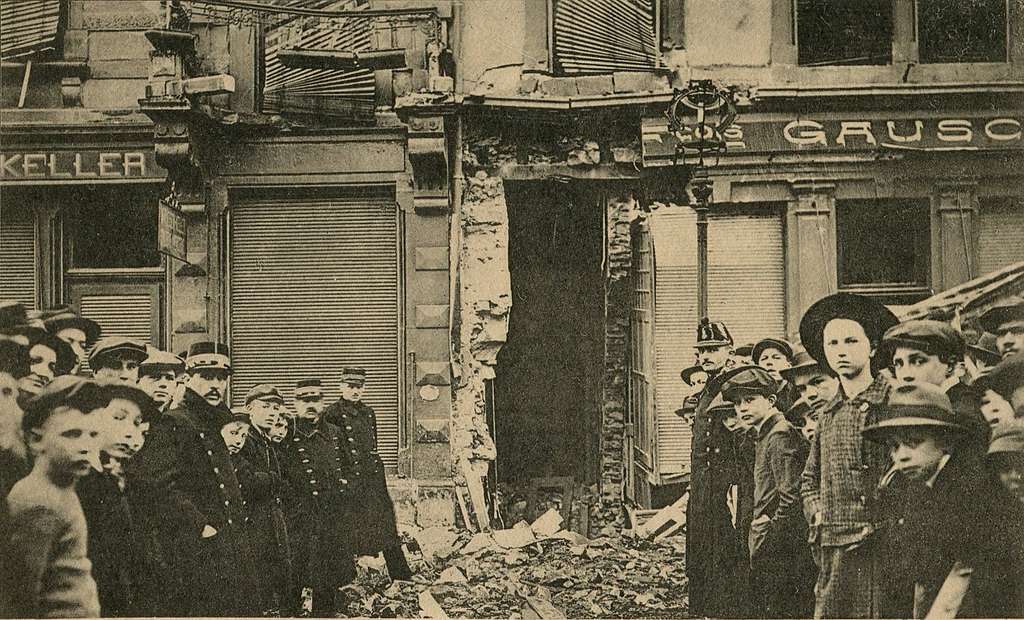
The 20th century tested Luxembourg's neutrality. Germany occupied it during World War I (1914–1918) and again in World War II (1940–1944), when the Grand Duchess Charlotte went into exile and the country suffered greatly. After liberation in 1944–1945, Luxembourg abandoned strict neutrality, joining NATO in 1949 and becoming a founding member of the European Coal and Steel Community in 1951, the precursor to the European Union. Today, it hosts key EU institutions and remains a prosperous, multilingual financial hub. From a tiny medieval fortress to a modern symbol of European integration, Luxembourg's history reflects survival through diplomacy, resilience, and adaptation. Even the smallest nations can endure and thrive!
FREE TRANSPORT, YOU SAY?
Interesting fact: In 2020, Luxembourg became the first country in the world to make all public transport completely free nationwide. This includes buses, trams, and trains for both residents and visitors.The government introduced this policy to reduce traffic congestion, lower emissions, and make the country more accessible. Even though Luxembourg is small, this bold move has drawn international attention as a pioneering example of sustainable mobility.
THINGS TO SEE
Chemin de la Corniche Dubbed "Europe’s most beautiful balcony". It has a stunning 2/3 mile long promenade along 17th-century ramparts with jaw-dropping views over the Alzette Valley, Grund district, and bridges. A peaceful, scenic must-do for panoramas and photos.
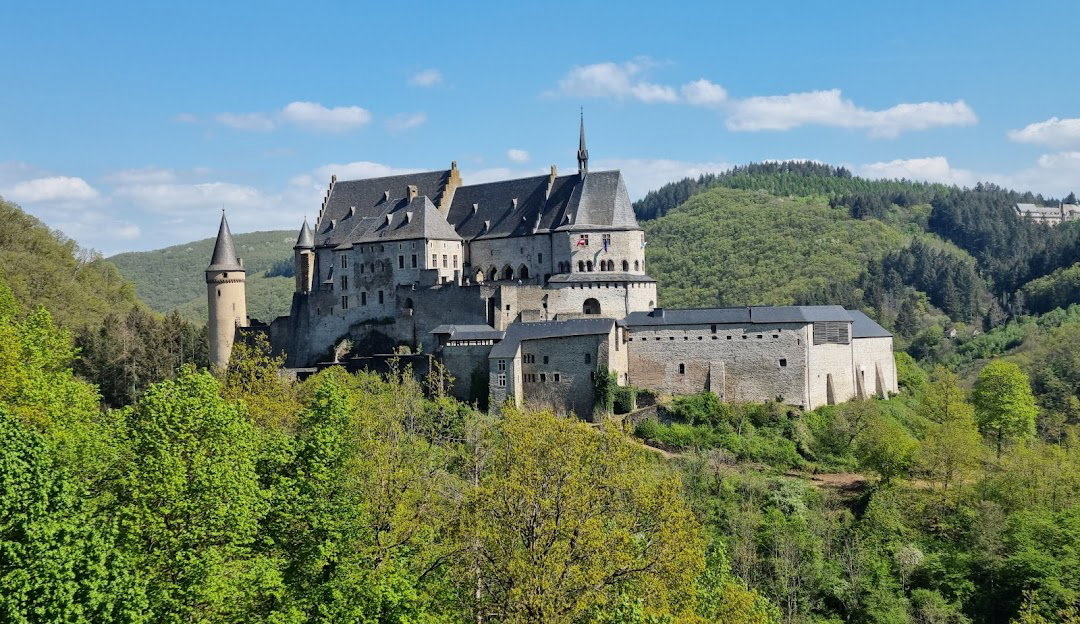
Bock Casemates This is is a UNESCO-listed underground network of tunnels and galleries carved into the rock. We can explore historic defense passages from the 17th-18th centuries that once housed soldiers and cannons.
Grund District Charming riverside neighborhood in the valley below the old town where we can wander on cobblestone streets and admire medieval houses.
Adolphe Bridge Iconic stone arch bridge (once the world's largest) connecting the old town to the station area.
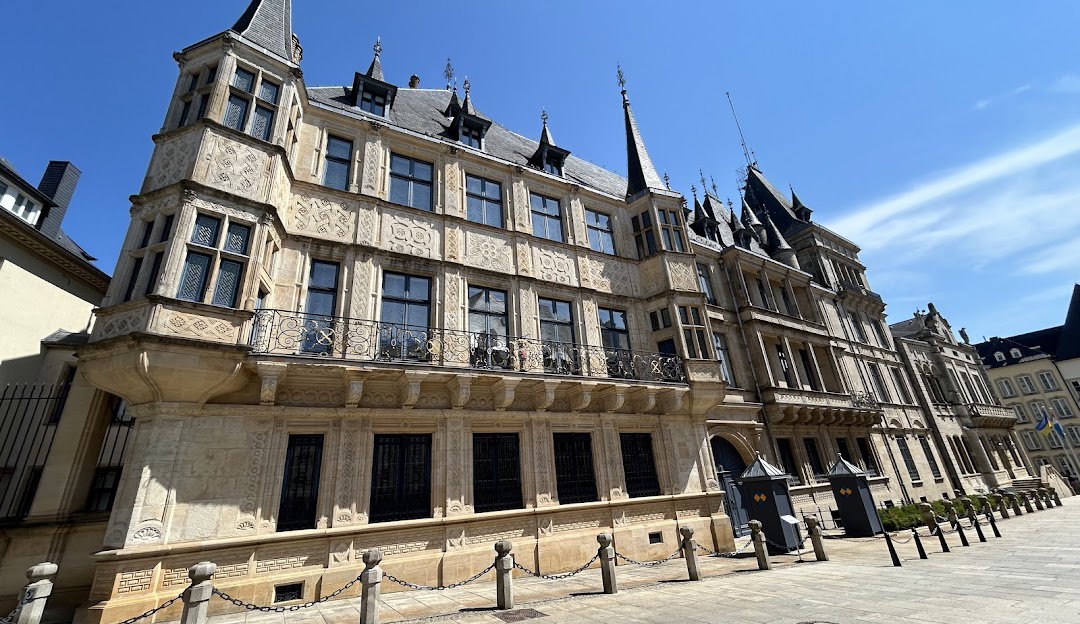
Grand Ducal Palace Official residence of the Grand Duke with an elegant facade and the changing of the guard.
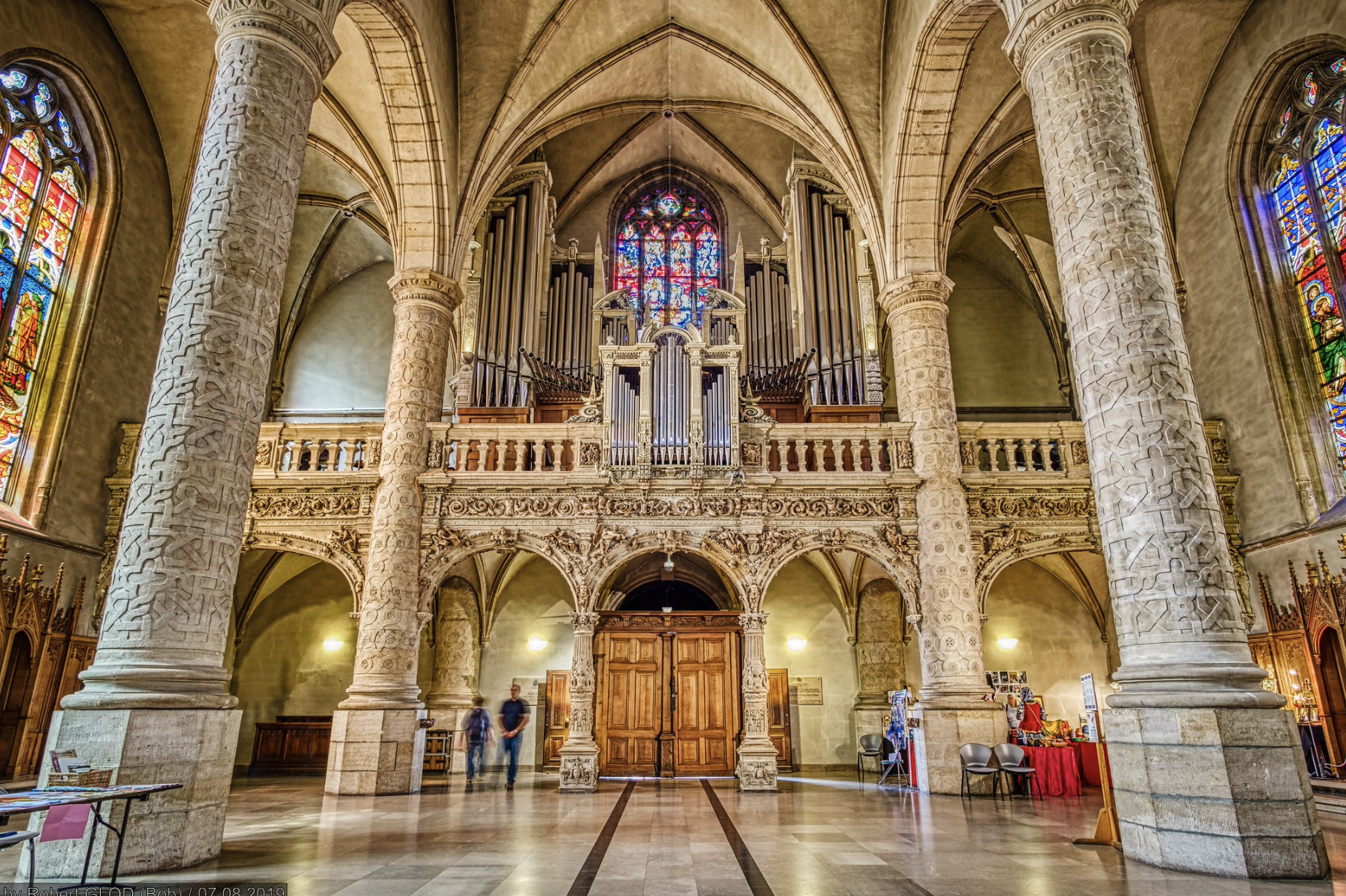
Notre-Dame Cathedral Gothic cathedral with stunning stained glass, ornate interiors, and crypt.
Pfaffenthal Panoramic Lift I'm not sure that Finn will be on board to ride this glass elevator descending 71 meters into the valley but it is a free ride with epic views over the old town and fortifications.
Saint Quirin Chapel and Spring Hidden in the Pétrusse Valley this is one of Luxembourg's oldest worship sites in a natural cave-turned-chapel with reputed healing spring water.