London, England
So, many of you have asked, "why are you going to London?!" I have received pretty mixed reviews from several world travelers and understand your sentiments. However, I visited over 20 years ago with my family and remember loving it. Penny Lane has also requested to visit some of the iconic Beatles spots in the area. Unfortunately, Penny Lane itself is in the the Liverpool area where Paul and John grew up. Although the Beatles have a lot of childhood history in Liverpool, there are still plenty of connection to the Beatles in London.
I grew up listening to the Beatles because my dad loved them. The first record I ever played on my turntable was my dad's original Rubber Soul album. I bet I listened to that record 200 times. He would tell (and repeat, and repeat, and repeat) the story of going with his parents and 3 siblings to see the Beatles in Indianapolis on their first North American tour on September 3rd, 1964. After he passed my grandmother gave me his ticket stub and an original button from the concert.
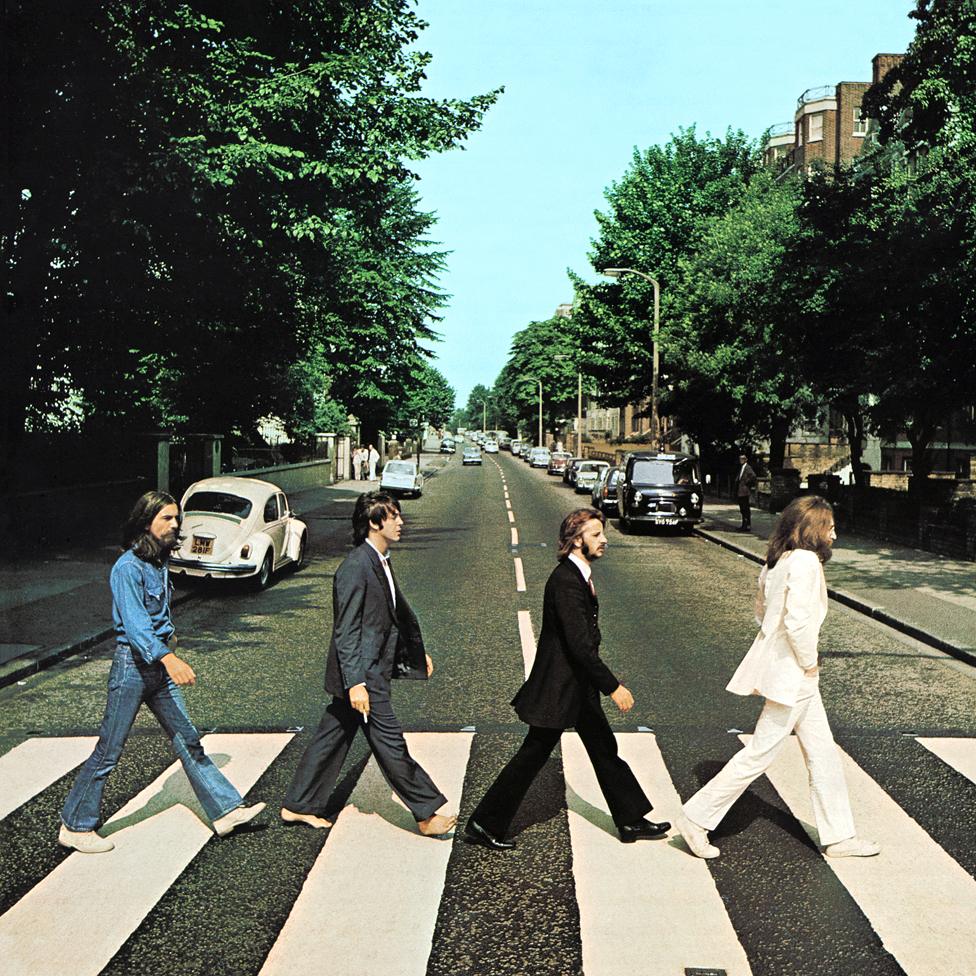
While Liverpool is where the band grew up, London is where they became global superstars. This is where they lived, recorded most of their music, and created magic during the height of Beatlemania in the 1960s. London is packed with meaningful Beatles sites that are easy to visit. The most famous is Abbey Road Studios and the iconic zebra crossing outside. This is where The Beatles recorded almost all of their albums, including Abbey Road. The album cover with the four of them walking across the street was taken on the road outside of the studios. We are planning to go take our own family version of that photo!
LONDON HISTORY
London's history spans nearly 2,000 years, beginning as a small Roman settlement and growing into one of the world's most influential cities. It started around AD 43 when the Romans invaded Britain and established a trading post called Londinium on the north bank of the River Thames. The site was chosen because it offered a good crossing point for the wide river and easy access to the sea for trade. The Romans built a bridge, defensive walls, a forum, baths, an amphitheatre, and a busy port. By the second century, Londinium had become a prosperous city with a population of tens of thousands. When the Roman Empire withdrew from Britain around AD 410, however, the city was largely abandoned, and its buildings fell into ruin.
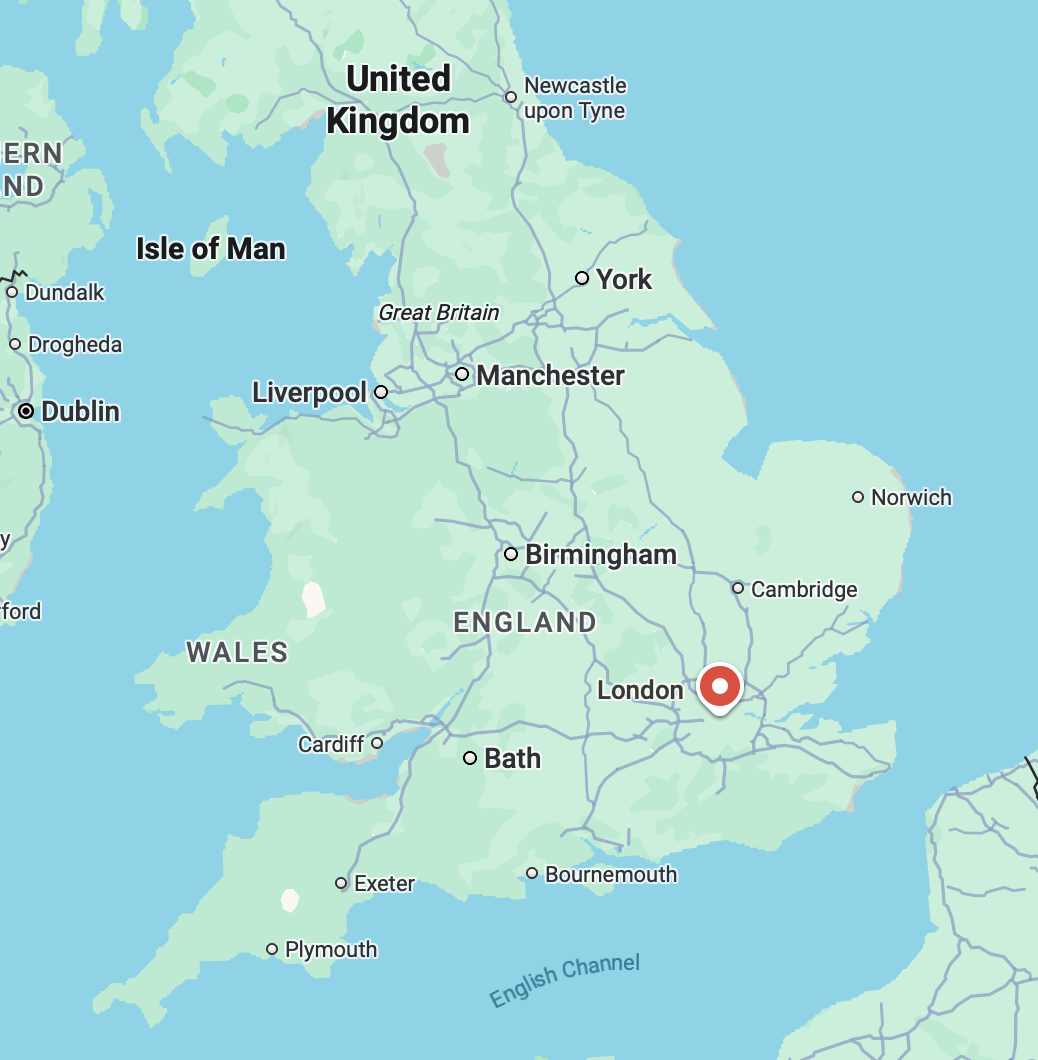
In the following centuries, Anglo-Saxon people settled in the area, first living in a separate trading settlement called Lundenwic a little to the west of the old Roman city. Viking raids disrupted life several times, but by the late ninth century King Alfred the Great recaptured and fortified the old walled area, helping it regain importance. After the Norman Conquest in 1066, William the Conqueror began constructing the Tower of London to control the population. Under Norman and medieval rule, the city expanded with markets, craft guilds, churches, and crowded timber houses. It became the political, religious, and economic centre of England, though fires, disease, and occasional revolts were common.
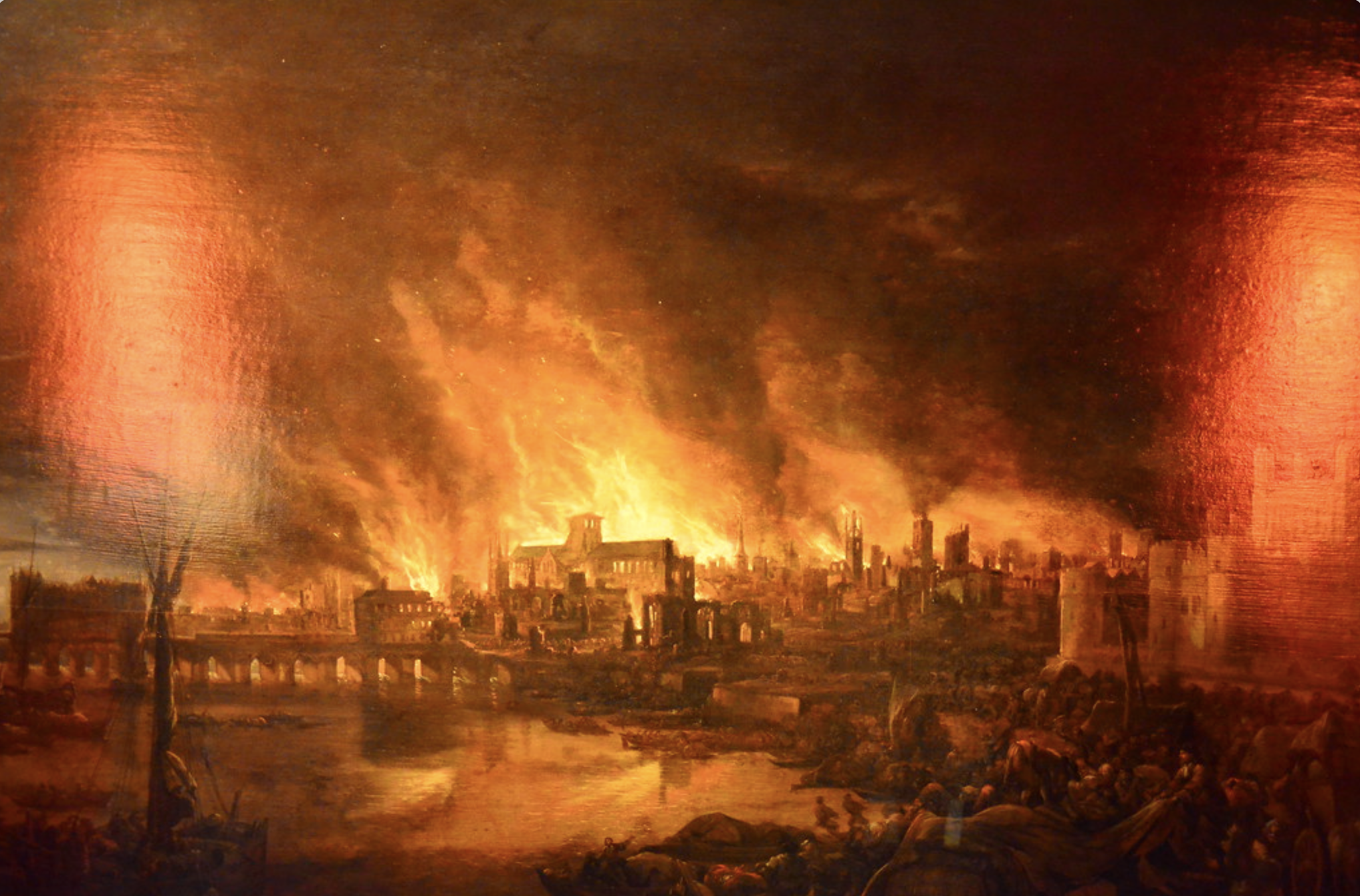
The Tudor period brought major religious and cultural shifts. Henry VIII's break with the Catholic Church in the 1530s led to the dissolution of monasteries and changes to many of London's churches. By the late sixteenth and early seventeenth centuries, playwrights like William Shakespeare were performing in theatres such as the Globe, and the city was a lively cultural hub. In 1665 the Great Plague killed roughly one in five residents, and just one year later, in 1666, the Great Fire destroyed most of the old wooden city centre. Although few people died in the fire itself, it wiped out thousands of homes and dozens of churches. The disaster allowed architect Christopher Wren to rebuild much of the city in stone, including the new St Paul's Cathedral.
During the eighteenth and especially the nineteenth centuries, London grew explosively because of the Industrial Revolution and the British Empire. The population soared from under a million in 1800 to more than six million by 1900, making it the largest city in the world at the time. Railways, the world's first underground railway (opened in 1863), new bridges, docks, and factories transformed daily life. The city was often shrouded in thick coal smoke and fog, but later improvements, such as modern sewers, cleaner water, and better street lighting, helped make it healthier and more liveable.
The twentieth century tested London severely. During the Second World War, the city endured heavy bombing in the Blitz, yet it rebuilt afterward. Post-war immigration from the Caribbean, South Asia, Africa, and many other regions turned London into one of the most multicultural cities on Earth. The 1960s brought a burst of youth culture, fashion, and music that became known as "Swinging London." In later decades the City of London strengthened its position as a global financial centre, while new landmarks appeared alongside the old ones.
Today London has a population of around nine million in the main city area, and over fourteen million across the wider region. It remains extraordinarily diverse, with residents speaking hundreds of languages. The city blends its ancient history including Roman walls, medieval towers, Wren churches with modern skyscrapers, world-class museums, theatres, and a dynamic international atmosphere. From its origins as a Roman trading post to its current role as a global metropolis, London's story is one of surviving disasters, adapting to change, and continually reinventing itself while preserving a deep sense of the past.
THINGS TO SEE
Tower of London Historic fortress housing the Crown Jewels, with tales of ravens, beheadings, and royal intrigue.
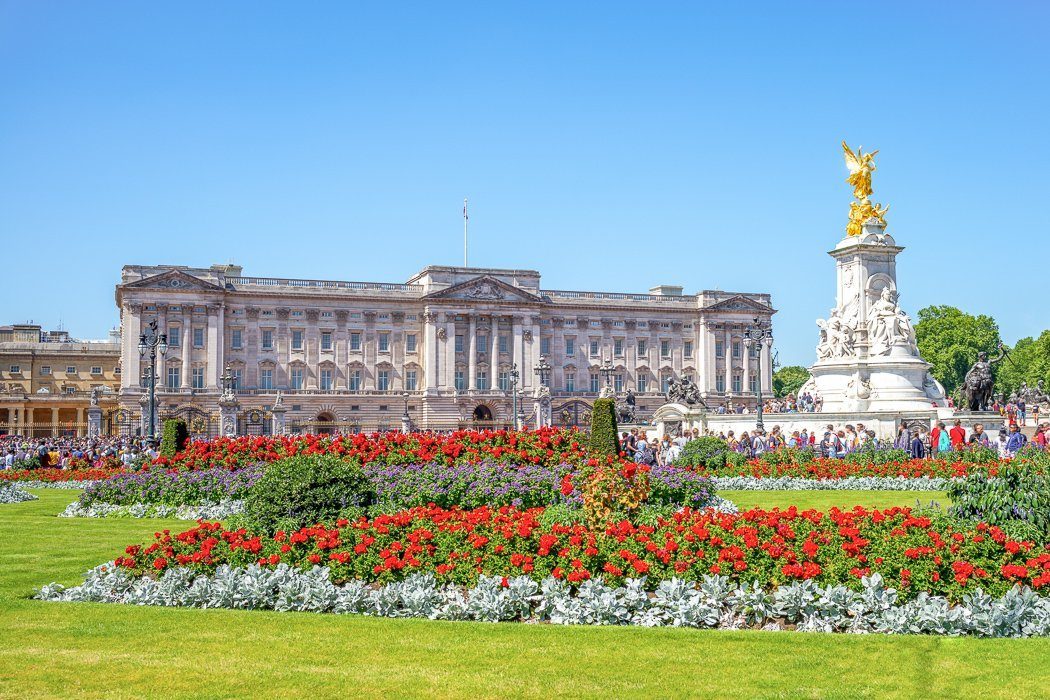
Buckingham Palace The King's official residence — catch the Changing of the Guard ceremony (check schedule) and admire the grand facade. Nearby parks add space for kids to run.
Natural History Museum Stunning dinosaur skeletons, interactive exhibits, and wildlife displays. Family favorites include the earthquake simulator and current immersive shows like "Our Story with David Attenborough" (running through summer 2026).
Warner Bros. Studio Tour London – The Making of Harry Potter As Harry Potter lovers, we are so excited about this! Step into the wizarding world with sets, props, and Butterbeer. We had to book months in advance, so make sure you do as soon as you decide you are going!
Hyde Park & Kensington Gardens Vast green space with playgrounds, boating, and the Diana Memorial Playground. Ideal for picnics, cycling, or letting kids explore freely.
Covent Garden Vibrant square with street performers, markets, and shops. Lesser-known gem for buskers, puppet shows, and family-friendly dining.
Horniman Museum and Gardens Quirky anthropology and natural history collections, plus beautiful gardens and a new family play area (opening in 2026 for its 125th anniversary).
Regent's Park Elegant park with boating lake, playgrounds, and open-air theatre. Hidden gem for picnics and the nearby Primrose Hill views.
Highgate Cemetery Atmospheric Victorian cemetery with famous graves and guided tours. Eerie yet fascinating,
Sir John Soane's Museum The eccentric former home of architect Sir John Soane, crammed floor-to-ceiling with antiquities, Hogarth paintings, architectural models, and the massive sarcophagus of Seti I in a dimly lit crypt. A labyrinth of treasures preserved exactly as he left it in 1837.
Viktor Wynd Museum of Curiosities, Fine Art & UnNatural History A tiny, bizarre cabinet of wonders in Hackney with taxidermy oddities (like two-headed kittens), shrunken heads, dodo bones, McDonald's toys, and a stuffed lion at tea. P
God's Own Junkyard A dazzling warehouse of vintage neon signs in Walthamstow — glowing relics from old Soho shops, fairgrounds, and movie sets in a kaleidoscopic explosion of color.
Postman's Park (with the Watts Memorial to Heroic Self-Sacrifice) A quiet City garden hiding a poignant Victorian memorial wall of ceramic plaques honoring ordinary people who died saving others (e.g., a child who drowned rescuing a sibling). Touching, melancholic, and strangely moving.