Istanbul, Turkey
I've heard that Istanbul is "chaotic and beautiful" with some of the most breathtaking buildings on the plantet. Mom described it as "wild," and it sounds like the perfect bookend of our trip. I also find Istanbul's history to be incredibly interesting. Istanbul is the only major metropolis that straddles two continents, Europe and Asia, separated by the sparkling Bosphorus Strait. With a history stretching back nearly 3,000 years, it has served as the capital of the Roman, Byzantine, and Ottoman Empires.
Today, it is Turkey’s largest city, home to around 15 million people, and remains a vibrant cultural and economic hub.The story of Istanbul begins around 660 BCE when Greek colonists from Megara, led by a figure named Byzas, founded the city as Byzantium. Its prime location on the Bosphorus quickly made it a natural trading hub. It grew under Greek and later Roman influence.
The city endured invasions, plagues, and even a sacking by Crusaders in 1204, but it gradually weakened over time. In 1453, Ottoman Sultan Mehmed II, known as the Conqueror, captured Constantinople after a dramatic 53-day siege, ending the Byzantine Empire. He made it the capital of the Ottoman Empire. The Ottomans converted many churches into mosques, including the Hagia Sophia, and constructed stunning new ones such as the Blue Mosque and Süleymaniye Mosque, along with grand palaces like Topkapi and the sprawling Grand Bazaar.
Under rulers like Suleiman the Magnificent, the city became a global powerhouse, blending Turkish, Islamic, Greek, Armenian, Jewish, and other cultural influences. The Ottoman Empire eventually declined and collapsed after World War I. In 1923, the Republic of Turkey was founded, and the capital moved to Ankara. The city was officially renamed Istanbul in 1930. It has since grown into a modern metropolis while carefully preserving its incredibly layered past, with its historic areas now recognized as a UNESCO World Heritage Site.
Istanbul’s importance comes from its unmatched strategic location. It controls the Bosphorus, the only sea route connecting the Black Sea and the Mediterranean, making it a vital trade hub on the ancient Silk Road and still significant today for shipping and geopolitics. As a cultural crossroads, it has long been a melting pot of religions, languages, and peoples, where empires rose and fell, shaping European, Middle Eastern, and global history.
Its architectural and artistic legacy is immense. Masterpieces like the Hagia Sophia, which has served as a church, mosque, museum, and mosque again, have influenced architecture across continents. Mosques, palaces, bazaars, and ancient walls continue to tell powerful stories of ambition and creativity.
In the modern world, Istanbul serves as Turkey’s economic engine, driving trade, tourism, finance, and acting as a bridge between East and West. Millions of people visit Istanbul every year for its perfect mix of history, culture, food, and energy. They come to explore iconic sights such as the Hagia Sophia, Blue Mosque, Topkapi Palace, Grand Bazaar, Basilica Cistern, and Galata Tower.
The city is also said to be a food lover’s paradise, with delicious kebabs, fresh seafood, baklava, Turkish tea and coffee, street eats, and mezes that reflect its multicultural roots. Penny will love bargaining in the bustling Grand Bazaar and Spice Market. It is also famously a city of cats, with well-loved street cats that locals feed and care for like community pets. Turkey has a no-kill policy for strays, and there are statues honoring notable feline residents. The iconic Dutch tulips actually originated in the Ottoman Empire and were exported from Istanbul to the Netherlands. The historic peninsula has seven hills, deliberately designed to echo Rome when Constantine made it the “New Rome.” The name “Istanbul” itself comes from the Greek phrase “eis tin polin,” meaning “to the city.” For centuries, people were simply saying they were heading “into the city” before it became the official name.
Things to Do
Hagia Sophia Iconic Byzantine masterpiece turned mosque — marvel at the massive dome, mosaics, and history spanning empires.
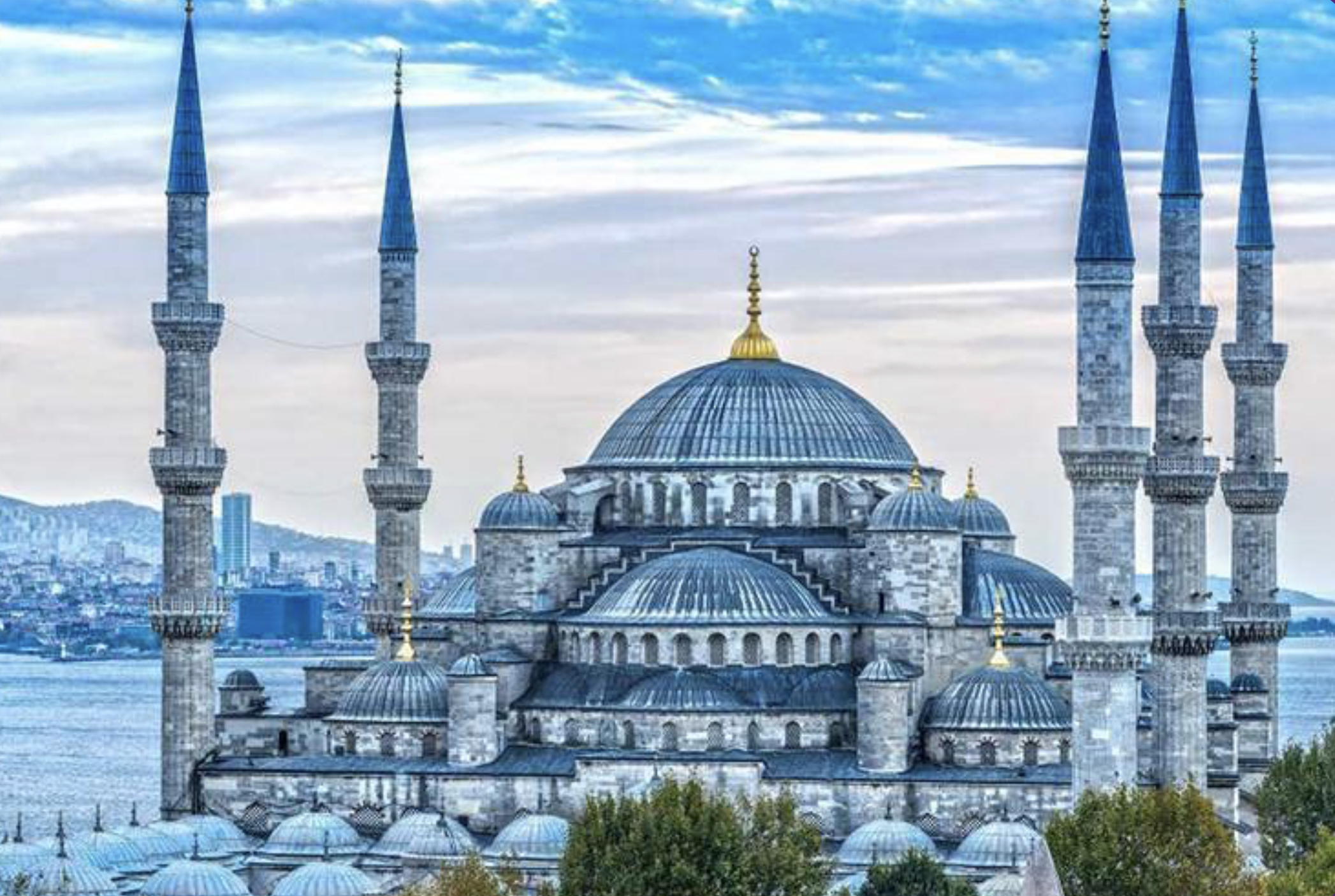
Blue Mosque (Sultan Ahmed Mosque) Stunning 17th-century mosque with intricate blue Iznik tiles and six minarets.
Topkapi Palace Former Ottoman sultans' residence with opulent rooms, harem, treasures, and Bosphorus views.
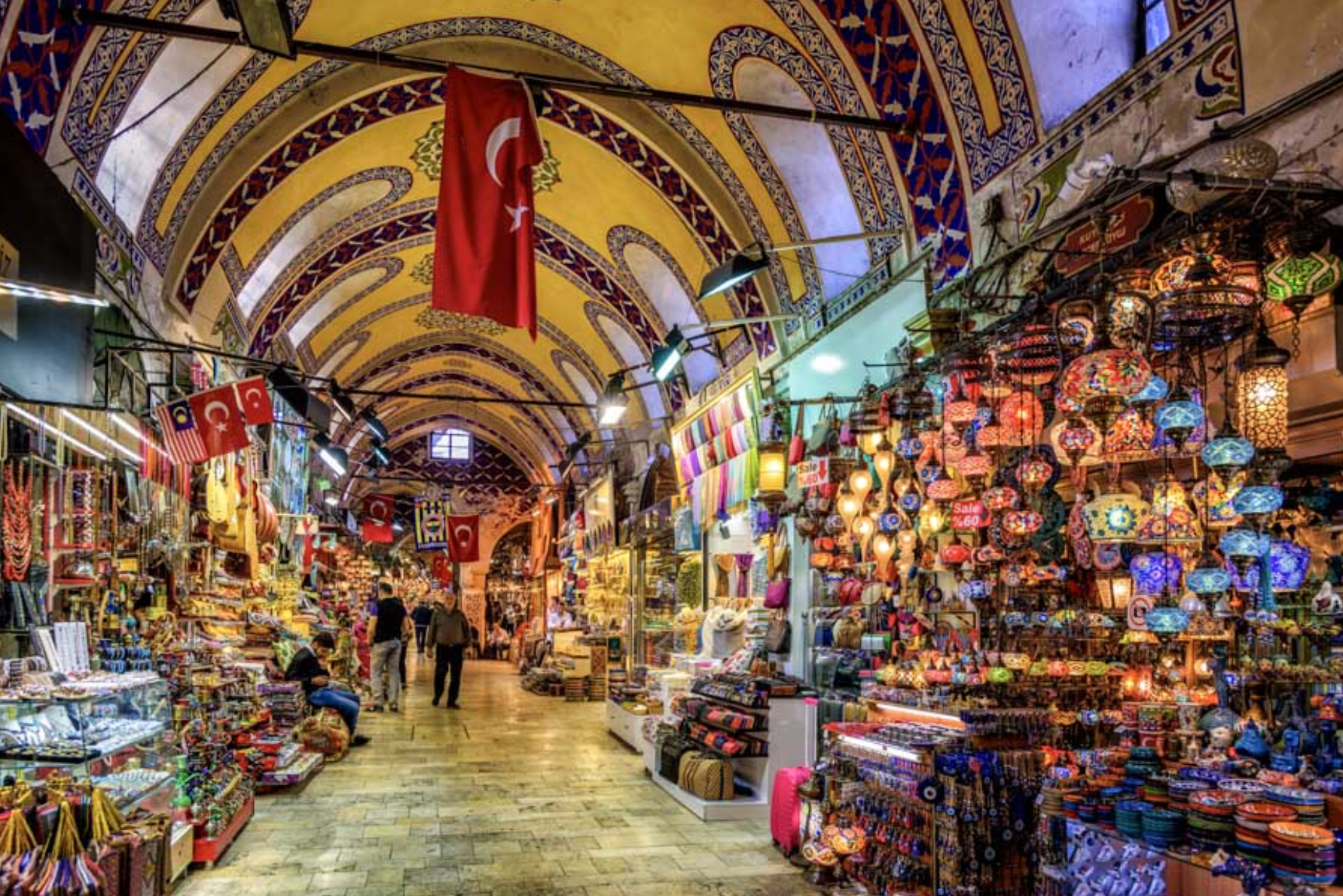
Grand Bazaar One of the world's oldest covered markets where you can bargain for spices, jewelry, carpets, and more in a labyrinth of 4,000+ shops.
Galata Tower Medieval tower with panoramic 360° views of the city, Bosphorus, and Golden Horn.
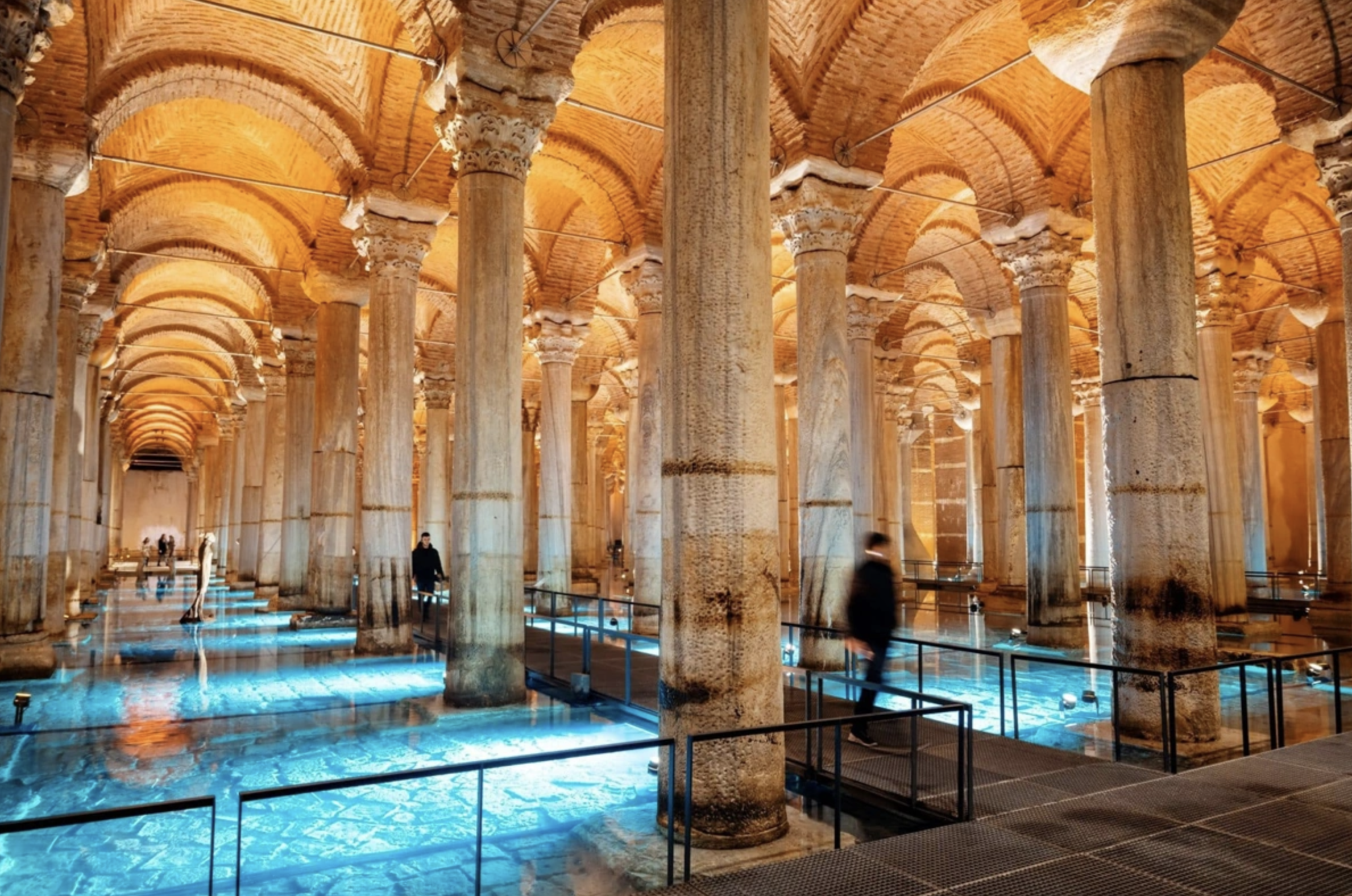
Basilica Cistern Creepy underground Byzantine reservoir with 336 columns, eerie lighting, Medusa heads, and koi fish in shallow waters.
Spice Bazaar (Egyptian Bazaar) Vibrant market bursting with spices, teas, sweets, and Turkish delights — sensory overload.
Dolmabahçe Palace Opulent 19th-century Ottoman palace on the Bosphorus with crystal chandeliers and grand halls.
Istiklal Avenue & Taksim Bustling pedestrian street with shops, street food, music, and historic tram.
Rumeli Fortress 15th-century Ottoman fortress on the Bosphorus with epic views.
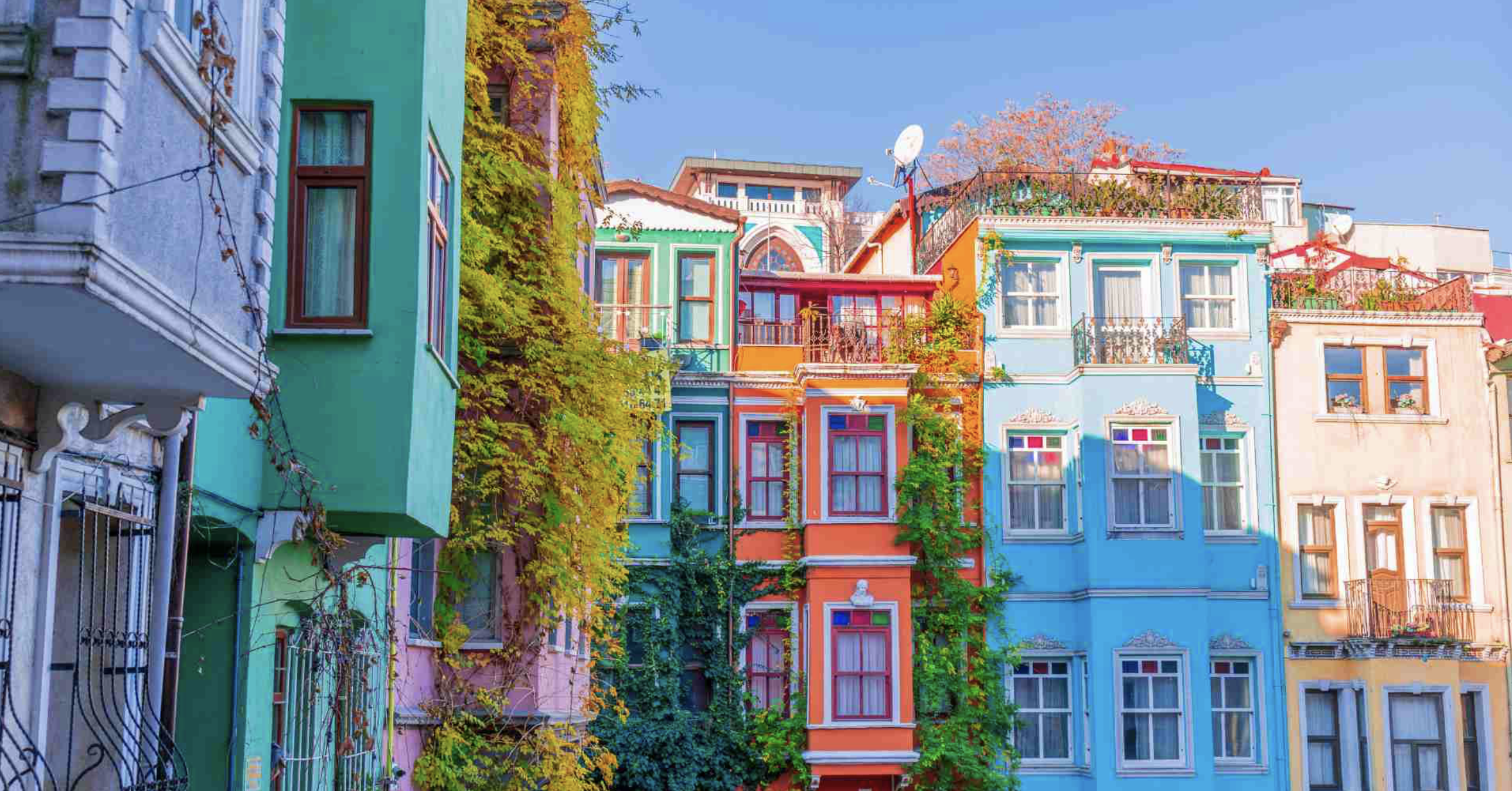
Balat & Fener Neighborhood Colorful historic district with vibrant houses, street art, synagogues, and cafes — photogenic and authentic. Lesser-known gem for summer walks.