Brussels, Belgium
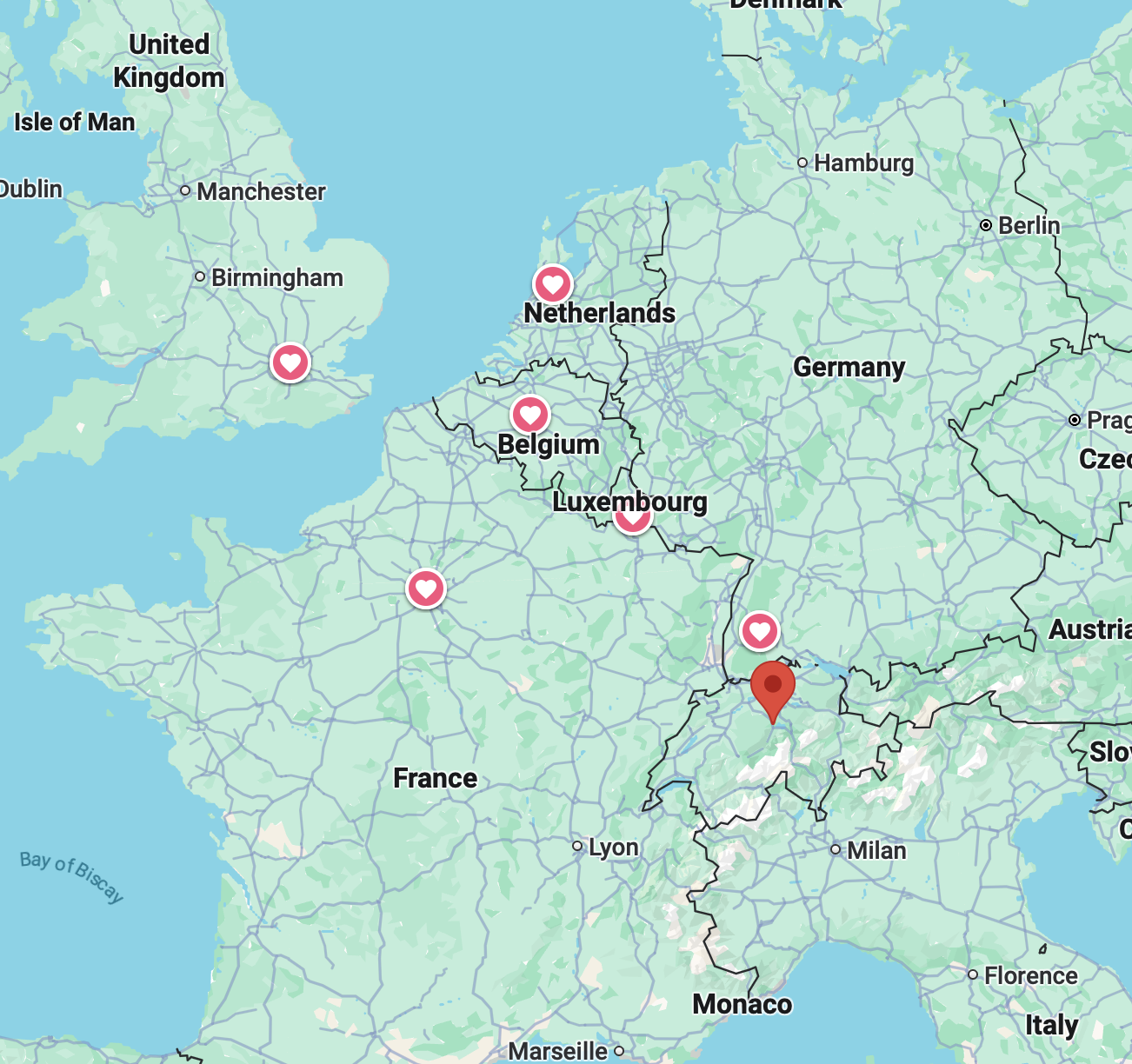
I will admit that Brussels was not on the top of our travel list. Both Brussels, the capital of Belgium, and Luxembourg turned out to be convenient stops on the way from Amsterdam to Lucerne. As we started to research, however, we became so intrigued with both places! We will only be staying in Brussels for a few days as a resting stopover, but we should see all the prime spots during that time.
Brussels started as a small settlement in the marshes along the Senne River. The name "Brussels" comes from the old word "Bruocsella," meaning "settlement in the marshes." People first mention it around the 10th century, and in 979, Duke Charles of Lower Lorraine built a fort and chapel there, which many consider the official founding moment.
During the Middle Ages, Brussels grew into an important trading town in the Duchy of Brabant. It sat at the crossroads of major routes linking the Rhine area to Flanders, so merchants thrived selling luxury fabrics. By the 12th and 13th centuries, the city had defensive walls, a market square, and guilds that organized crafts and trade. It became one of the main cities in the region.
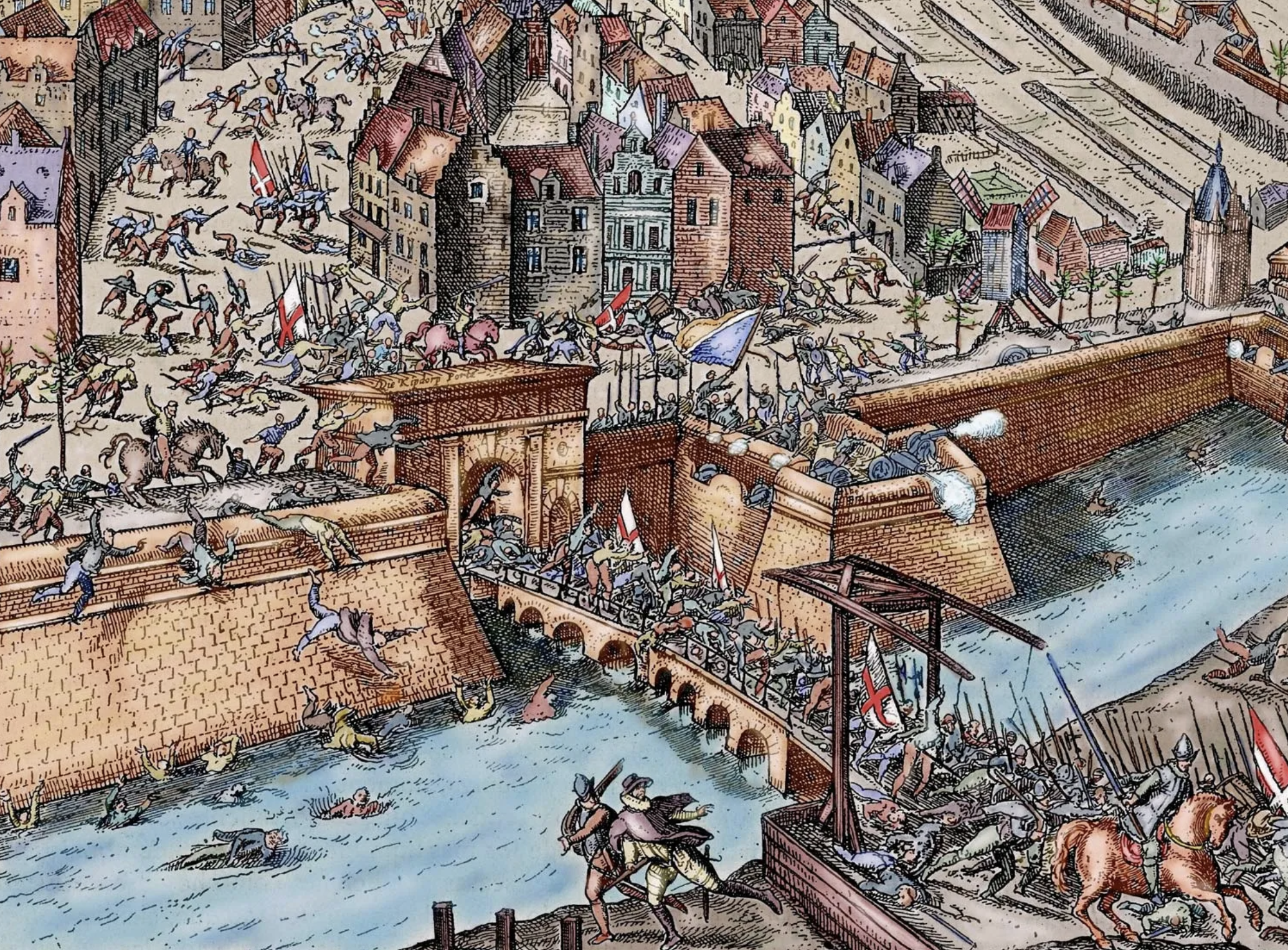
In the 15th and 16th centuries, Brussels rose even higher under the Burgundian dukes and later the Habsburgs. It served as a political center with grand courts and beautiful buildings. The famous Grand Place, now a UNESCO site, got its stunning guild houses during this time. The city saw religious changes during the Reformation and the Eighty Years' War, but it stayed a key spot for rulers like Charles V, who made it a hub for his vast empire.
After a period of Spanish and then Austrian rule, Brussels fell under French control during the Napoleonic era in the late 18th and early 19th centuries. In 1830, a revolution started right in Brussels. An opera performance sparked riots against Dutch rule, leading to Belgium's independence. The new country chose Brussels as its capital in 1831, and King Leopold I was crowned there.
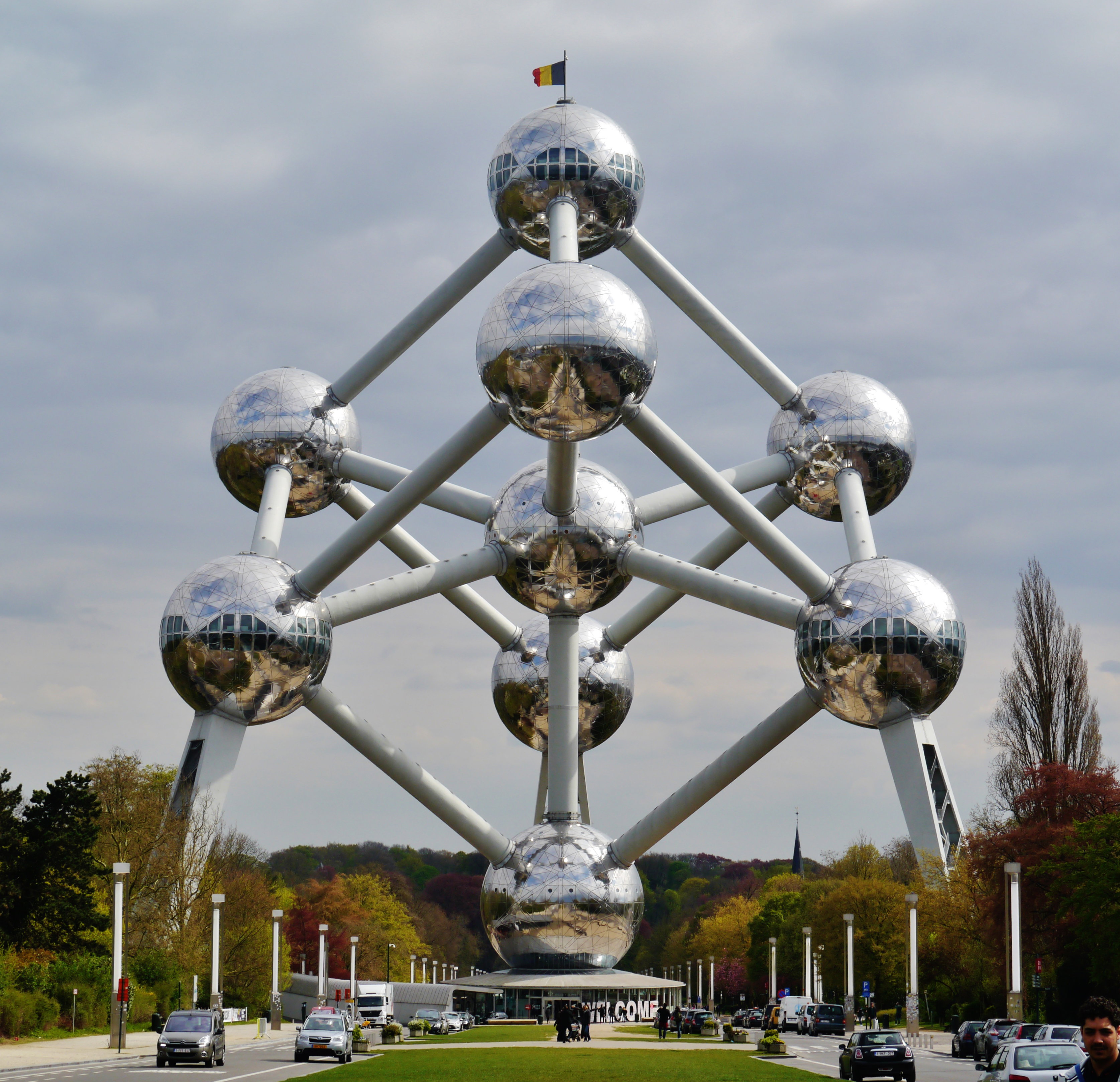
The 19th and 20th centuries brought big growth. Brussels industrialized, built wide boulevards, and hosted World Fairs (including the famous 1958 Expo that created the Atomium). It suffered during both World Wars, occupied by Germany twice, but recovered each time. After World War II, Brussels became a major international center. It hosts the main institutions of the European Union (like the European Commission and Council) and NATO headquarters, earning its nickname as the "de facto capital of Europe."
Today, Brussels blends its medieval charm with modern life. The historic center, with its Grand Place, comic murals, chocolate shops, and beer culture, sits alongside EU buildings and a very diverse population from all over the world. It's a city of contrasts where old stone streets meet glass offices, and it continues to grow as a place where history, politics, and everyday life come together in a unique way.
THE "CAPITAL OF EUROPE"?
It turns out that Brussels is widely known as the “Capital of Europe” because it serves as the de facto political heart of the European Union. It is home to the European Commission, the European Council, and the European Parliament, making it one of the most important centers of political power on the continent. Additionally, the city hosts the headquarters of NATO and numerous other international organizations. This status stems from Belgium’s central geographic location in Western Europe, its history of neutrality, and its multilingual population.
After World War II, European leaders deliberately chose Brussels as the seat of European integration to promote unity and prevent future conflicts. Today, thousands of diplomats, lobbyists, journalists, and EU officials live and work in the city, giving certain neighborhoods, especially the European Quarter, a distinctly international and cosmopolitan atmosphere.
FOOD CULTURE!
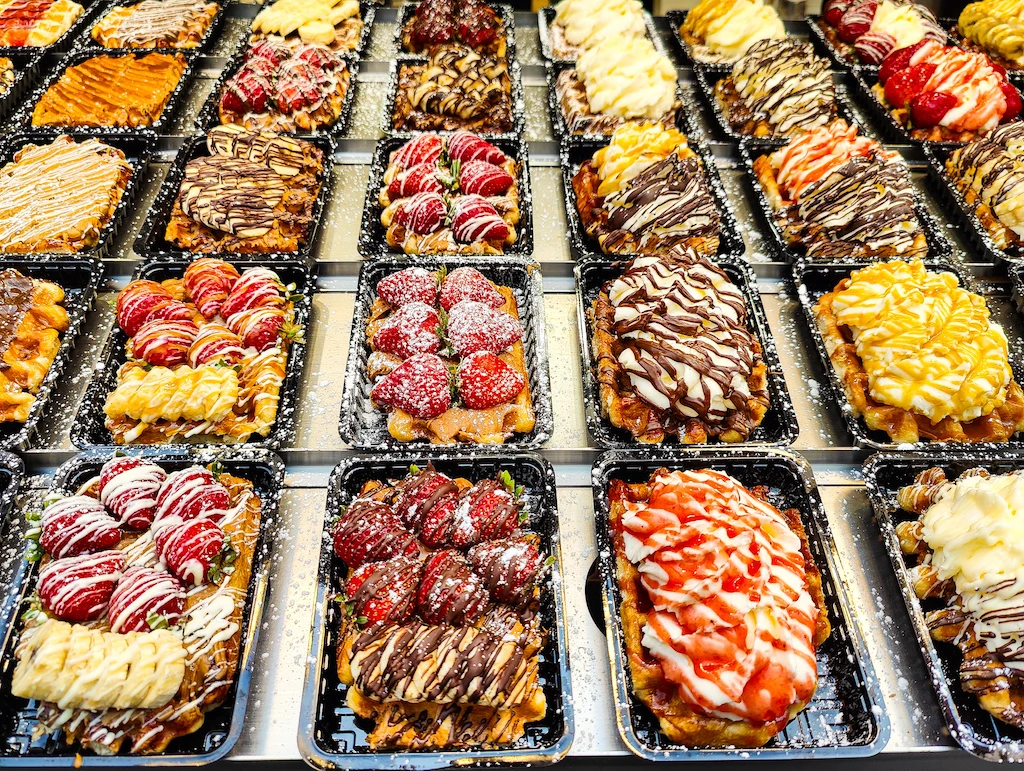
Brussels is a paradise for food lovers and is renowned for its exceptional Belgian chocolate, waffles, fries, and beer. The city boasts countless high-quality chocolate shops where master chocolatiers craft pralines and truffles using traditional methods. Belgian waffles, often served warm with toppings like whipped cream, fresh fruit, or chocolate sauce, are an iconic street food enjoyed by locals and tourists alike.
Although French fries are called “French” elsewhere, they actually originated in Belgium. Brussels is full of friteries (fry stands) serving perfectly hot and crispy fries with a wide variety of sauces. Finn is SO excited about the french fry stands, as they are one of his favorite foods.
THINGS TO DO
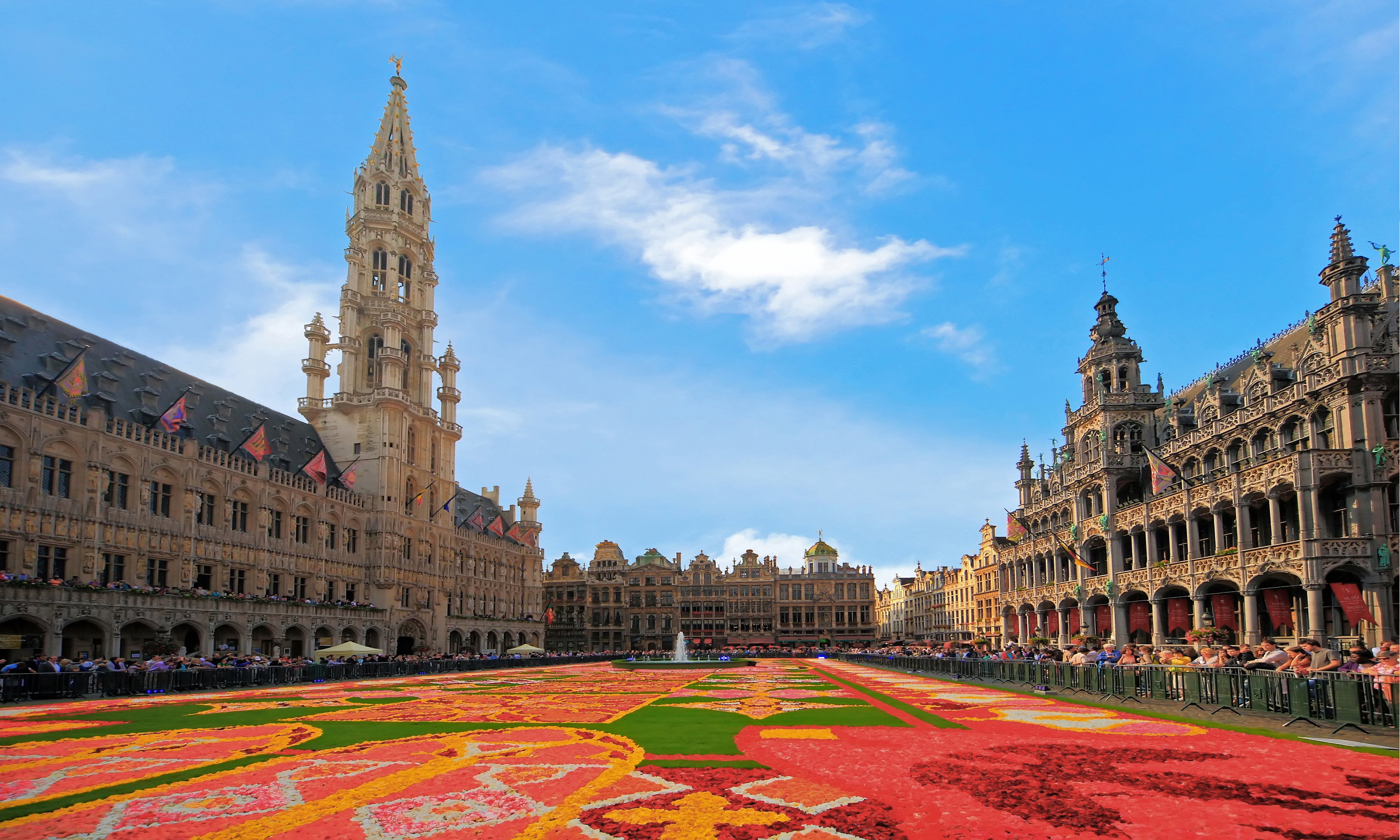
Grand Place UNESCO-listed central square with stunning Gothic architecture and guilt houses. A must-see for its beauty, especially at night; host to events and markets.
Atomium Iconic 1958 World's Fair structure resembling an atom. You can climb spheres for panoramic views and exhibits. Highly rated for its futuristic design and family-friendly science displays.
Manneken Pis Famous "cheeky" statue of a peeing boy, often dressed in costumes. A quirky symbol of Brussels' humor; there is a schedule for outfit changes!
Royal Museums of Fine Arts of Belgium Premier collection of Belgian art, including Magritte and Bruegel masterpieces. Highly rated for its vast galleries.
Choco-Story Brussels Interactive chocolate museum with tastings and demos.
Museum of Natural Sciences Europe's largest dinosaur gallery plus interactive evolution exhibits.
Coudenberg Palace Underground ruins of a medieval palace beneath the modern city! Cool and slightly creepy historical dive.
Sewer Museum You can actually descend into Brussels' historic sewers for a guided tour of underground infrastructure and stories. Unique, creepy, and it is supposed to be surprisingly fascinating. I may not be able to convince the rest of the family, but I am incredibly interested!
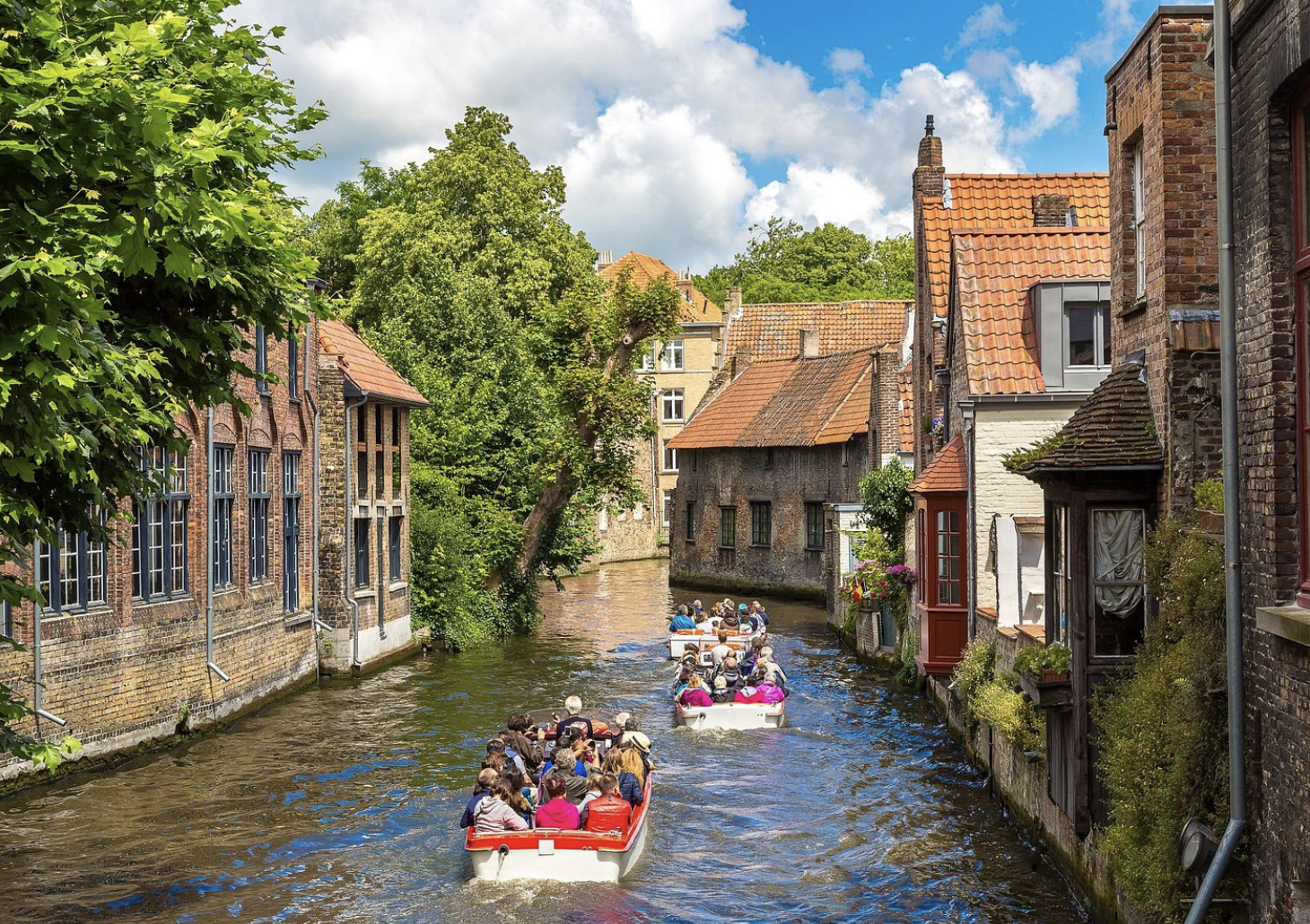
Bruges and Ghent Day Tour We will take a boat tour through several towns and stop in Bruges and Ghent to see medieval architecture. The homes and canals along the way are supposed to be stunning.