Barcelona, Spain
As I have mentioned before, I am not a historian by any means, but I do believe knowing just a little history about anywhere we visit will add understanding and appreciation to our experience. Barcelona has one of the longest and most colorful histories of any major European city, stretching back more than 2,000 years. The story really begins with the Romans, who around the late 1st century BC, during the time of Emperor Augustus, founded a small but important colony called Barcino. It was built as a fortified town for retired soldiers, complete with defensive walls, a central square, temples, and streets laid out in a neat grid. Its spot on the Mediterranean coast, tucked between mountains and the sea, made it a perfect trading post.
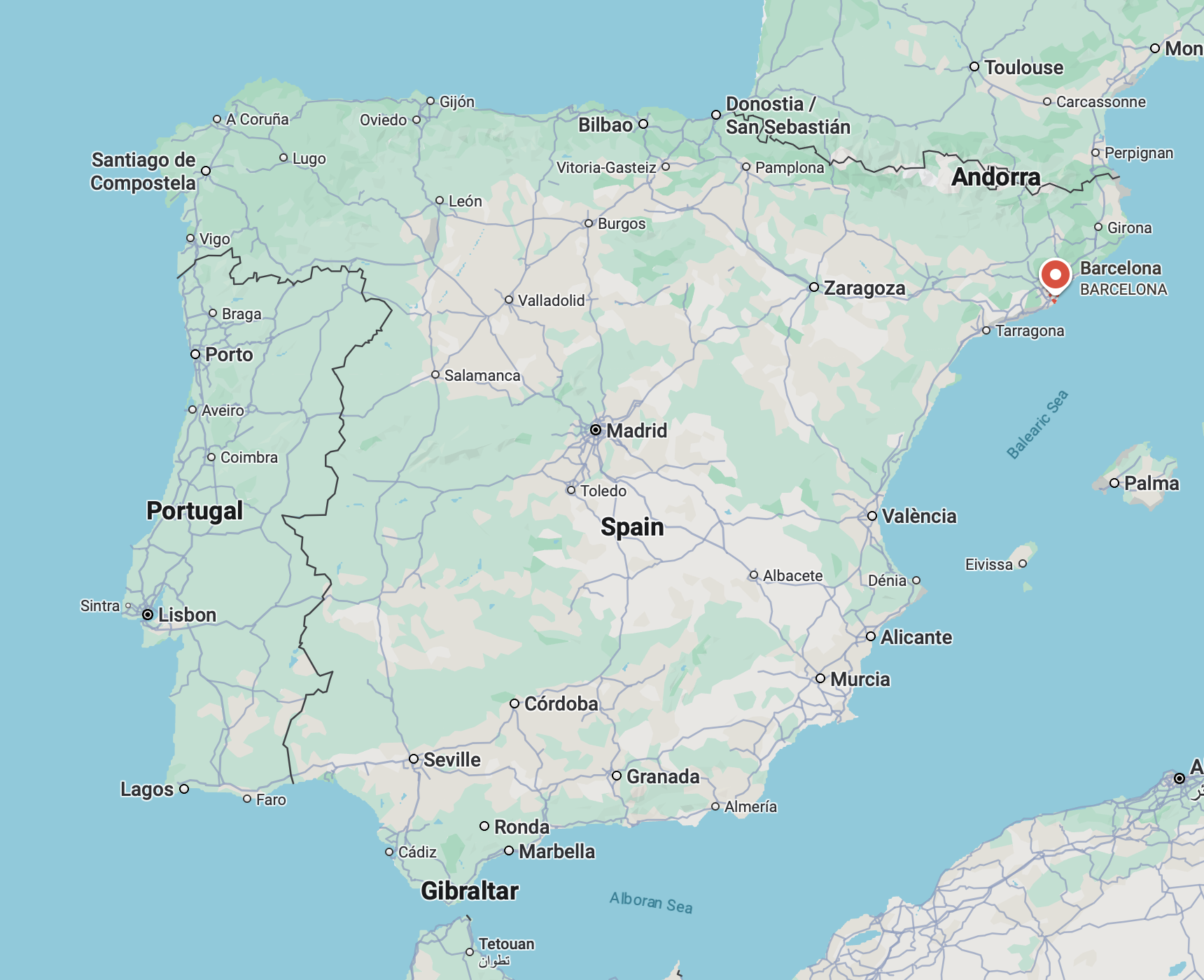
After the Roman Empire collapsed, the city passed through several hands. Germanic tribes called the Visigoths took control in the 5th century, followed by a short period of Muslim rule in the 8th century, when the city was known as Barshiluna. In 801, Christian forces recaptured it, and over the following centuries local leaders built it into a powerful independent territory called the County of Barcelona.
By the 1100s and 1200s, through smart marriages, it joined forces with the Kingdom of Aragon to form the Crown of Aragon, a major Mediterranean power famous for trade, shipping, and wealth that rivaled cities like Venice and Genoa.This medieval period was Barcelona's first golden age.
The city grew rich from sea trade and filled its old center, the Gothic Quarter with beautiful tall churches, narrow winding streets, and grand stone buildings in the Gothic style. In 1469, the marriage of Ferdinand of Aragon and Isabella of Castile united their kingdoms, laying the foundation for the modern country of Spain.
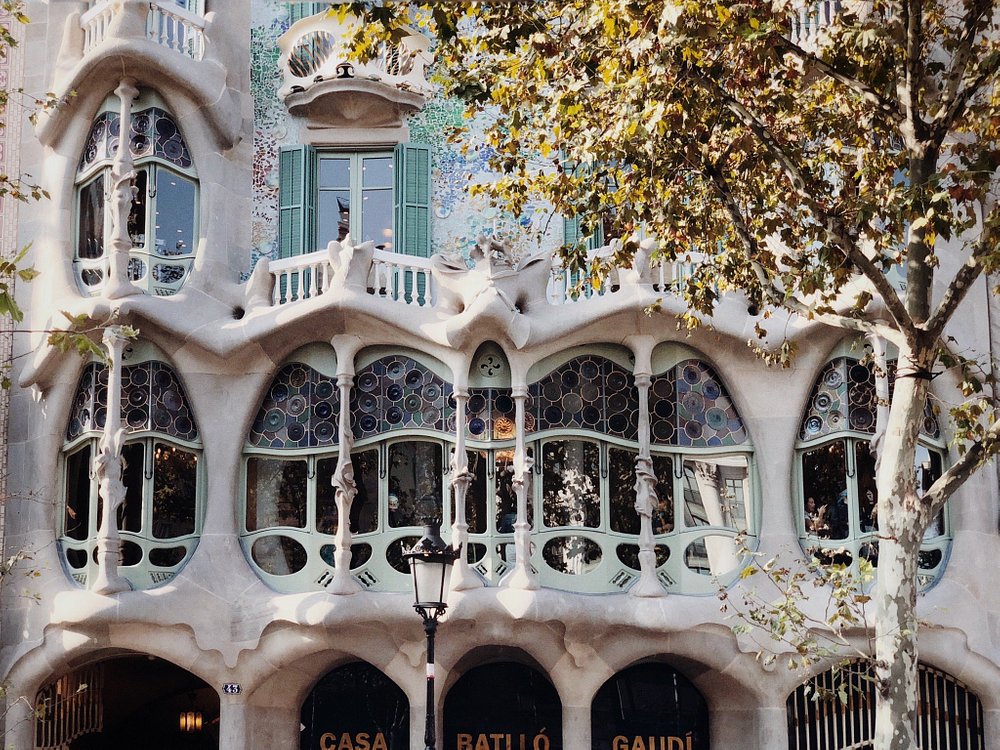
Over time, political power shifted to Madrid, and Barcelona lost some of its independence and influence, especially after it backed the wrong side in a major war in the early 1700s.The city bounced back strongly in the 1800s thanks to the Industrial Revolution. Factories, especially for textiles, made it Spain's leading industrial center, and a huge new neighborhood called the Eixample was built with wide, straight streets and chamfered (angled) corners. This era also produced the famous Modernisme style, Catalonia's version of Art Nouveau, with wildly creative buildings designed by architect Antoni Gaudí and others.
The 20th century brought challenges, including damage during the Spanish Civil War (1936–1939) and suppression of Catalan language and culture under dictator Francisco Franco (1939–1975). After Franco's death and Spain's return to democracy, Barcelona regained pride as the capital of Catalonia. The 1992 Summer Olympics became a turning point, modernizing the city with new roads, a cleaned-up waterfront, and global attention.
Today, Barcelona blends ancient Roman walls hidden in the old town, medieval Gothic streets, Gaudí's colorful and imaginative architecture, industrial-era neighborhoods, and a lively modern Mediterranean lifestyle. It remains fiercely proud of its distinct Catalan identity while welcoming millions of visitors each year.
WHO IS GAUDI?
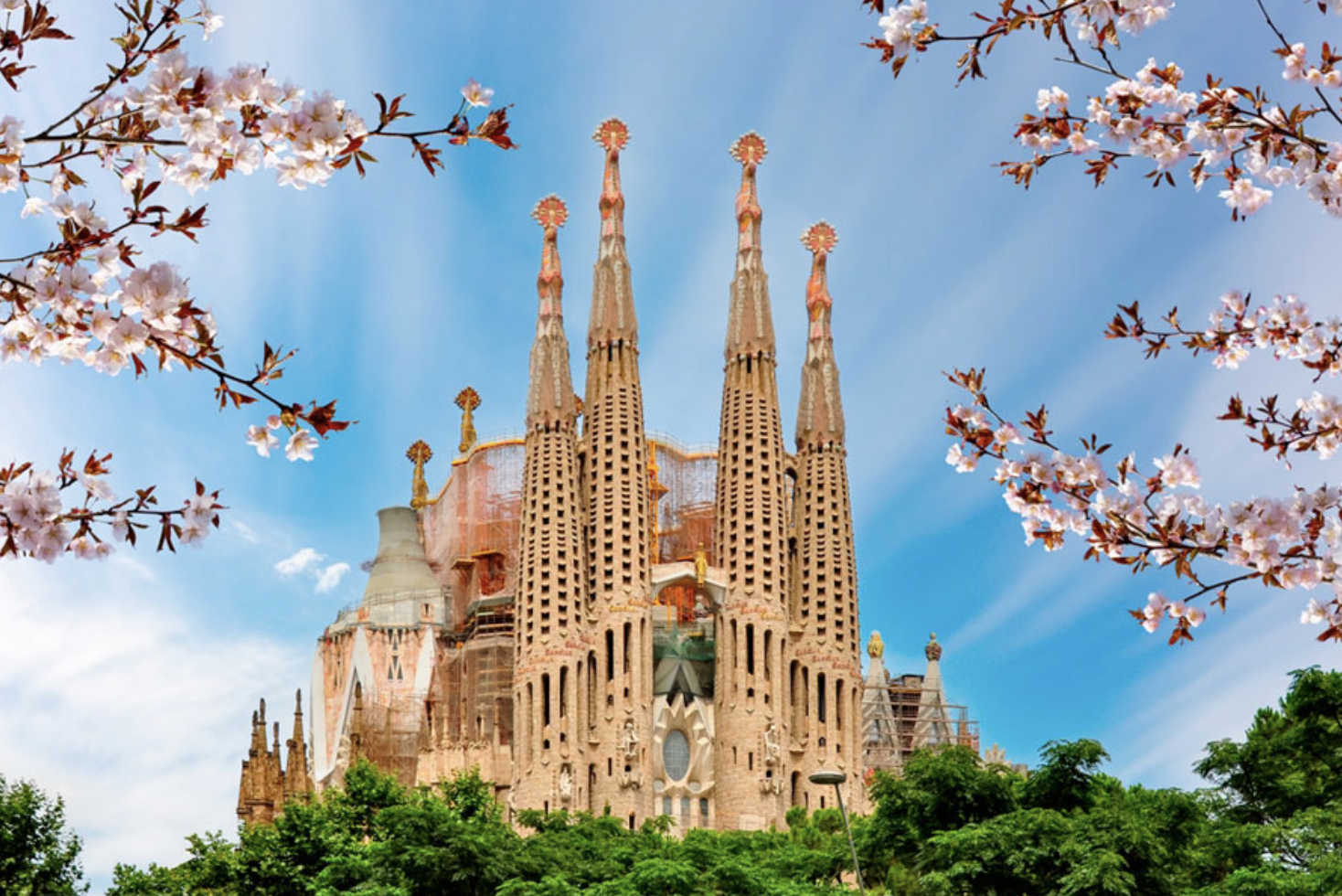
Antoni Gaudí (1852–1926) was a visionary Catalan architect whose extraordinary, nature-inspired designs have made him one of the most celebrated figures in modern architecture. Born in Reus, Spain, he became the leading light of Catalan Modernisme (the local take on Art Nouveau). He created buildings that look almost alive, curving like bones, twisting like trees, and bursting with colorful mosaics made from broken tiles (a technique called trencadís). Deeply religious, Gaudí saw his work as a way to honor God through organic forms drawn from seashells, plants, animals, and the natural world, while using clever engineering to create impossibly stable yet fantastical structures. His most iconic masterpiece is the Sagrada Família, the towering, unfinished basilica in Barcelona that he devoted the last 40+ years of his life to. Other famous works include the whimsical Park Güell with its mosaic dragon and undulating benches, the wavy, bone-like Casa Batlló, and the rugged, quarry-like Casa Milà (La Pedrera). A quiet, eccentric man in his later years, Gaudí died tragically after being struck by a tram in 1926, but his seven UNESCO-listed works continue to draw millions to Barcelona, where his imaginative genius still feels fresh and revolutionary today.
The Sagrada Família is Barcelona’s most famous symbol. Antoni Gaudí started it in 1882 and worked on it until he died in 1926. It’s still unfinished (they hope to complete it around 2030). Gaudí designed it as a “cathedral of nature” with 18 towers representing the apostles, evangelists, and Jesus. Every surface is covered in symbolic sculptures from nativity scenes to twisting stone that looks like trees and bones. The inside is filled with rainbow light through colorful stained glass. It’s part church, part artwork, and completely unique.
THINGS TO SEE
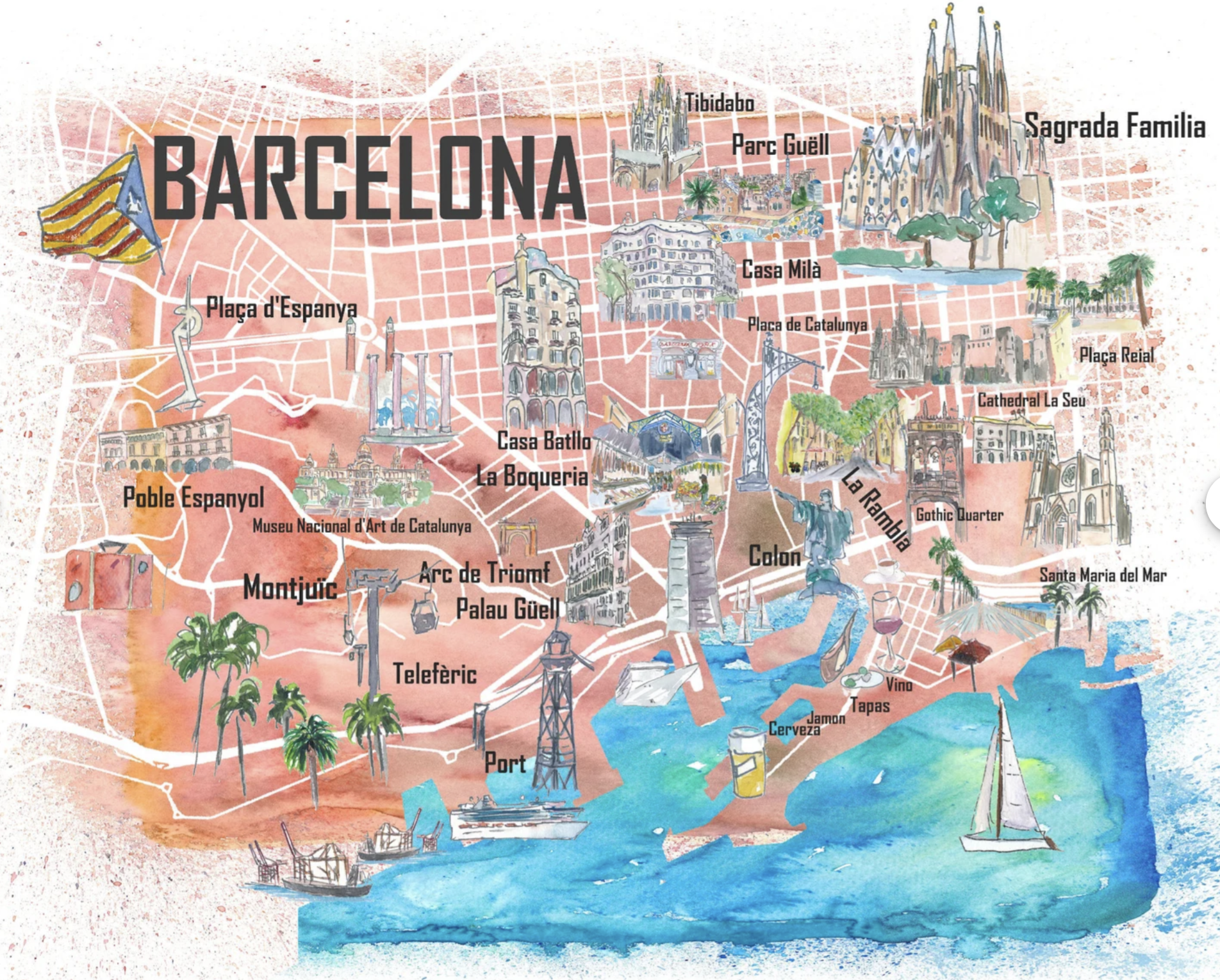
Sagrada Família – Antoni Gaudí's unfinished basilica masterpiece with breathtaking stained-glass interiors and towering spires; a surreal wonder that's nearly complete in 2026!
Park Güell – Gaudí's whimsical park featuring colorful mosaic benches, the famous lizard fountain, and panoramic city views.
Casa Batlló – Gaudí's vibrant, dragon-inspired "House of Bones" with wavy facades, bone-like balconies, and a magical rooftop.
La Rambla – The bustling pedestrian boulevard full of street performers, flower stalls, living statues, and vibrant energy from Plaça de Catalunya to the sea.
Gothic Quarter (Barri Gòtic) – Medieval narrow streets, Roman ruins, hidden squares, and the stunning Barcelona Cathedral, the atmospheric historic heart of the city.
Barceloneta Beach – Although this is the closest beach, it is not considered the nicest. We aren't sure we will make the beach while we are here, but if we do, Finn may enjoy the topless nature of European sunbathing.
Casa Milà (La Pedrera) – Gaudí's undulating "quarry" building with surreal rooftop chimneys and terraces offering epic views.
Montjuïc Hill – We will ride the cable car up for castle views, gardens, and panoramic city vistas. There is also an incredible cemetery on the hill we are excited to visit.
Picasso Museum – Over 4,000 works by Pablo Picasso, focusing on his early years and Barcelona connections in the charming El Born district.
MACBA (Museum of Contemporary Art) – Striking modern building showcasing post-1945 art, with a vibrant plaza perfect for people-watching.
Palau de la Música Catalana – Stunning modernist concert hall with stained glass and ornate details – a UNESCO gem for guided tours or shows.
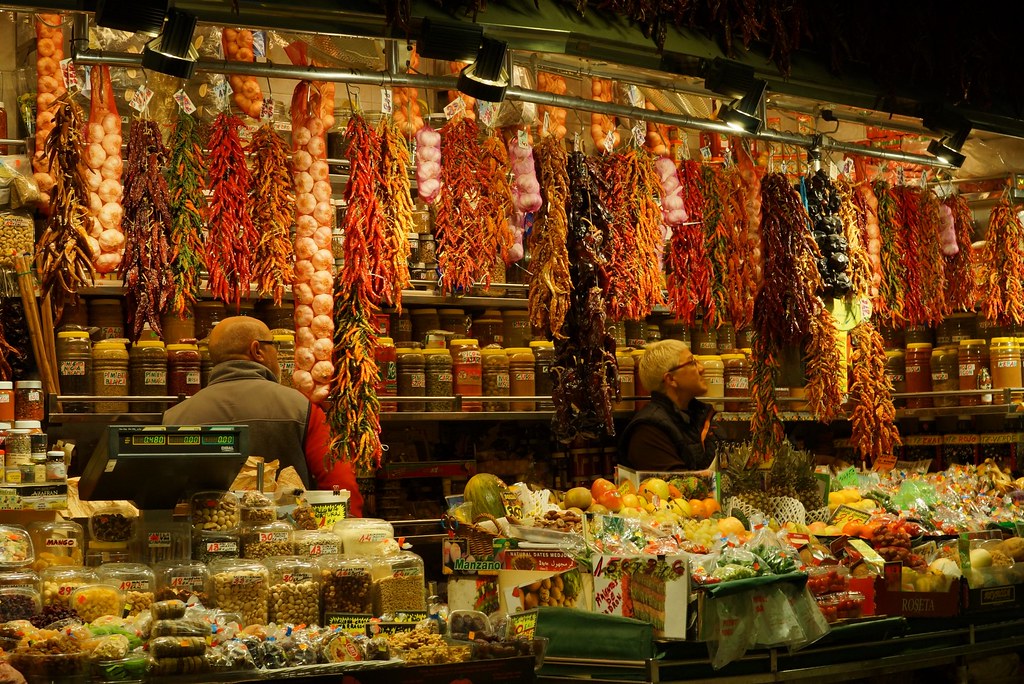
La Boqueria Market – An iconic fresh-food market on La Rambla for tapas, juices, and local flavors. A sensory overload in the best way!
Magic Fountain of Montjuïc – Free evening light, music, and water shows. It is supposed to be a magical spectacle against the MNAC backdrop
Camp Nou (FC Barcelona Experience) – We will be touring the legendary stadium and museum for Finn and Penny. This will be an immersive Barça (Barcelona's soccer/ futbol team) history experience.
Parc de la Ciutadella – Beautiful central park with a lake, zoo, fountains, and the Catalan Parliament .
Bunkers del Carmel (Turó de la Rovira) – Former anti-aircraft bunkers turned into one of the city's best panoramic viewpoints with stunning 360° vistas over Barcelona, the sea, and landmarks.
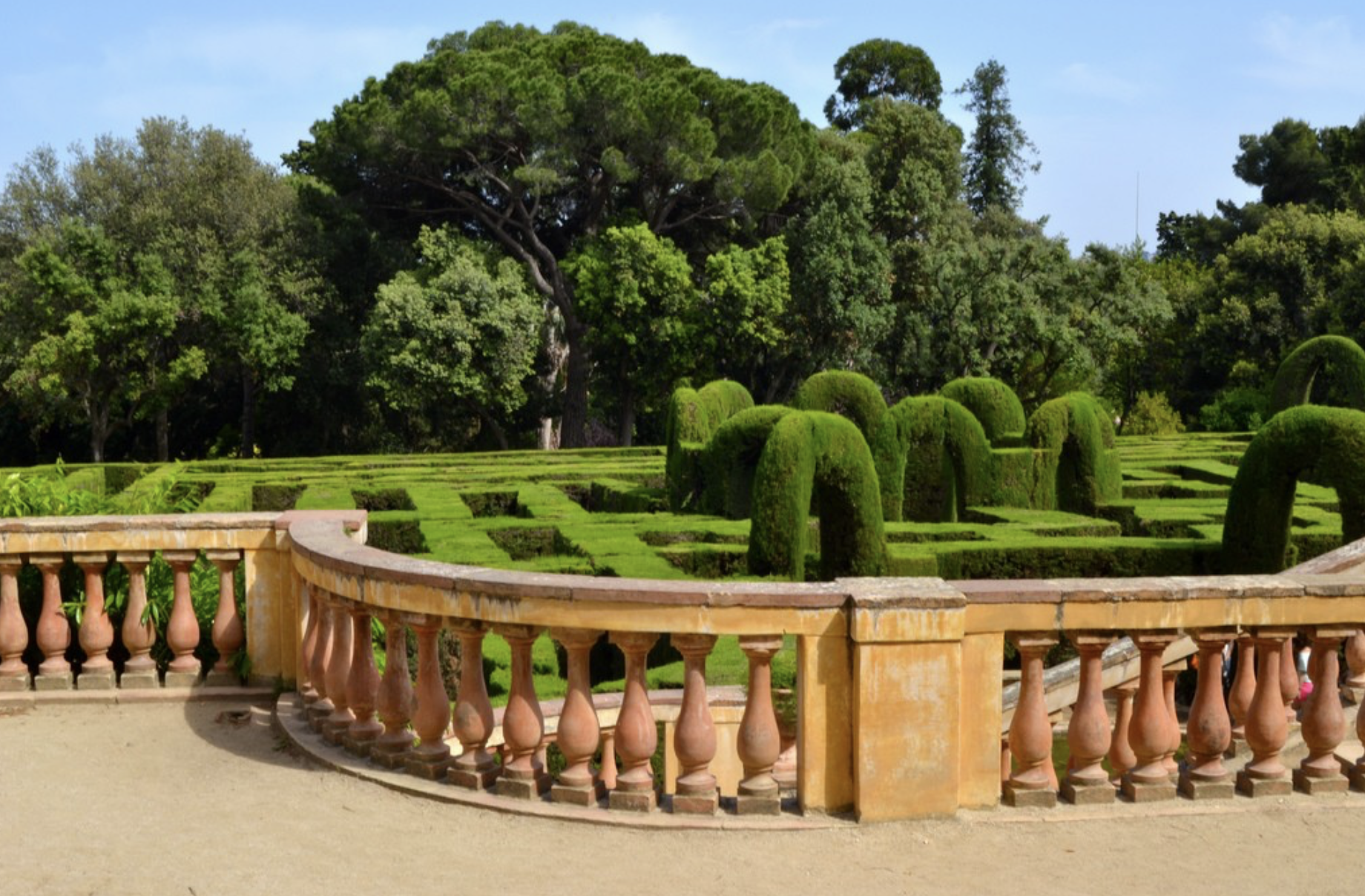
Parc del Laberint d’Horta – Barcelona's oldest garden (18th century) featuring a beautiful neoclassical hedge maze, romantic ponds, sculptures, and peaceful paths.
Casa Vicens – Gaudí's first major building (and a UNESCO site), with vibrant Mudéjar-inspired tiles, geometric patterns, and Moorish influences.
Recinte Modernista de Sant Pau – A breathtaking former hospital complex by Lluís Domènech i Montaner, with ornate pavilions, mosaics, and gardens. It is now a beautifully restored UNESCO-listed modernista masterpiece.
Jardins de Mossèn Costa i Llobera – A unique terraced cactus and succulent garden on Montjuïc Hill with over 800 species and epic panoramic views—perfect for photographers seeking desert flora against the city backdrop.
Monastery of Pedralbes – A stunning 14th-century Gothic monastery with a peaceful three-story cloister, medieval art, and serene gardens—quiet and atmospheric.
Tibidabo Amusement Park & Temple of the Sacred Heart – Vintage rides at Spain's oldest amusement park combined with a neo-Gothic temple offering sweeping views—a whimsical, fairy-tale-like spot high on the mountain.
Jardins de la Tamarita – A hidden, tranquil garden in Sarrià-Sant Gervasi with lush greenery, fountains, and benches—super peaceful and rarely visited by tourists.
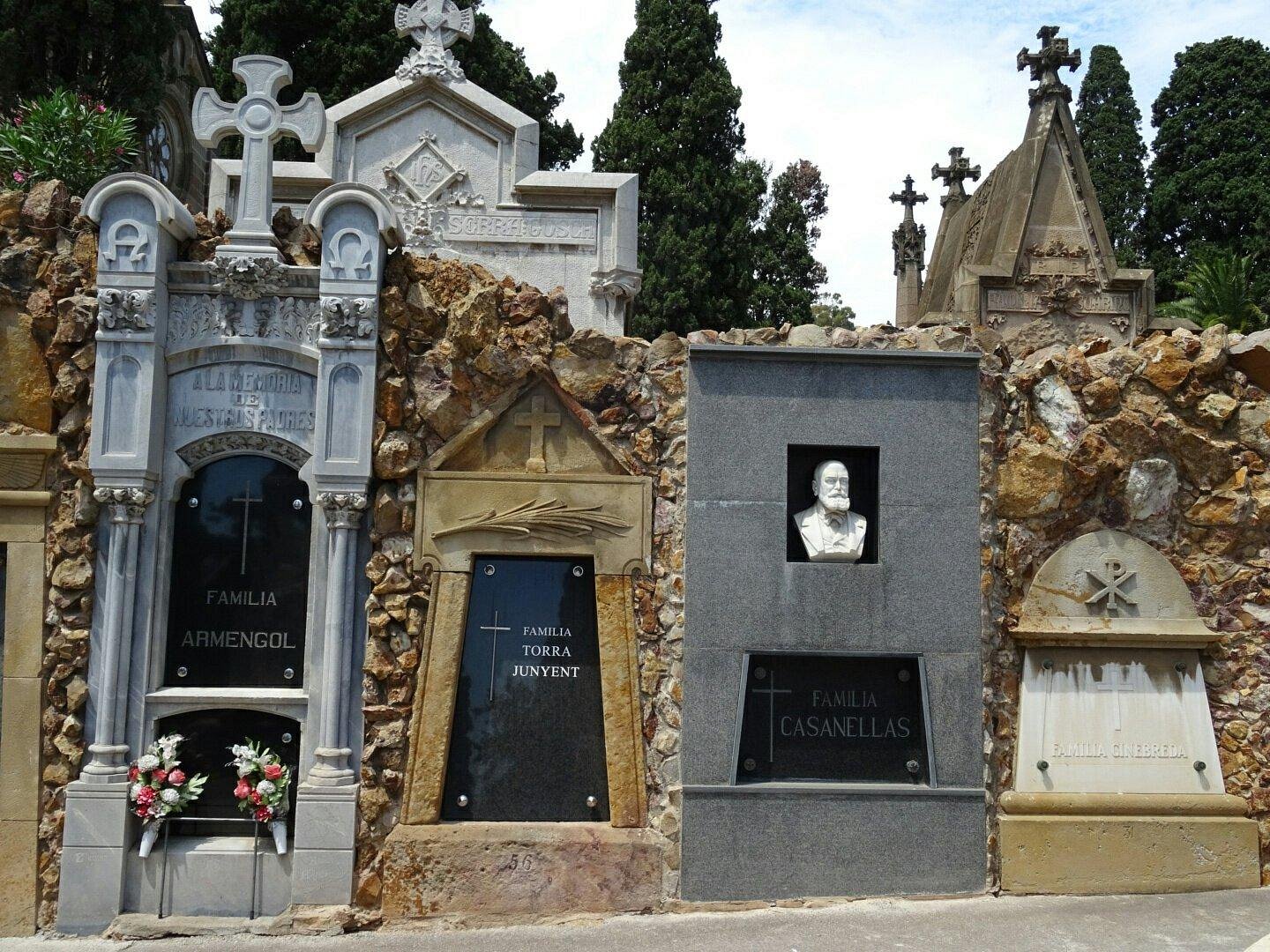
Montjuïc Cemetery – An atmospheric hillside cemetery with ornate sculptures, tombs of famous Catalans, and Mediterranean Sea views.
Observatori Fabra – A historic 1904 astronomical observatory on Tibidabo with guided tours, stargazing (on select nights), and incredible high-up city panoramas—unique for science and views lovers.
WHERE TO STAY
Barcelona offers a range of neighborhoods, each with its own advantages depending on what kind of trip you're planning. The Gothic Quarter is right in the historic center, packed with narrow medieval streets, Roman ruins, cathedrals, and endless tapas spots. The Gothic Quarter is great if you want to be immersed in old Barcelona and walk everywhere in the core tourist zone. The Eixample is the modern grid area with wide boulevards, high-end shopping on Passeig de Gràcia, and many of Gaudí's famous buildings like Casa Batlló and La Pedrera. Eixample is convenient for architecture fans and those who prefer a more open, upscale feel. Gràcia feels more like a local village with relaxed plazas, indie shops, and cafes and away from heavy tourism. The beachfront in Barceloneta puts you steps from the sand and seafood restaurants, but it can get crowded and noisy in peak season. Both Darrel and I have visited the beach before and we were not impressed. There are more beautiful beaches a little outside of Barcelona so if you want to visit a beach while there, look for those instead.
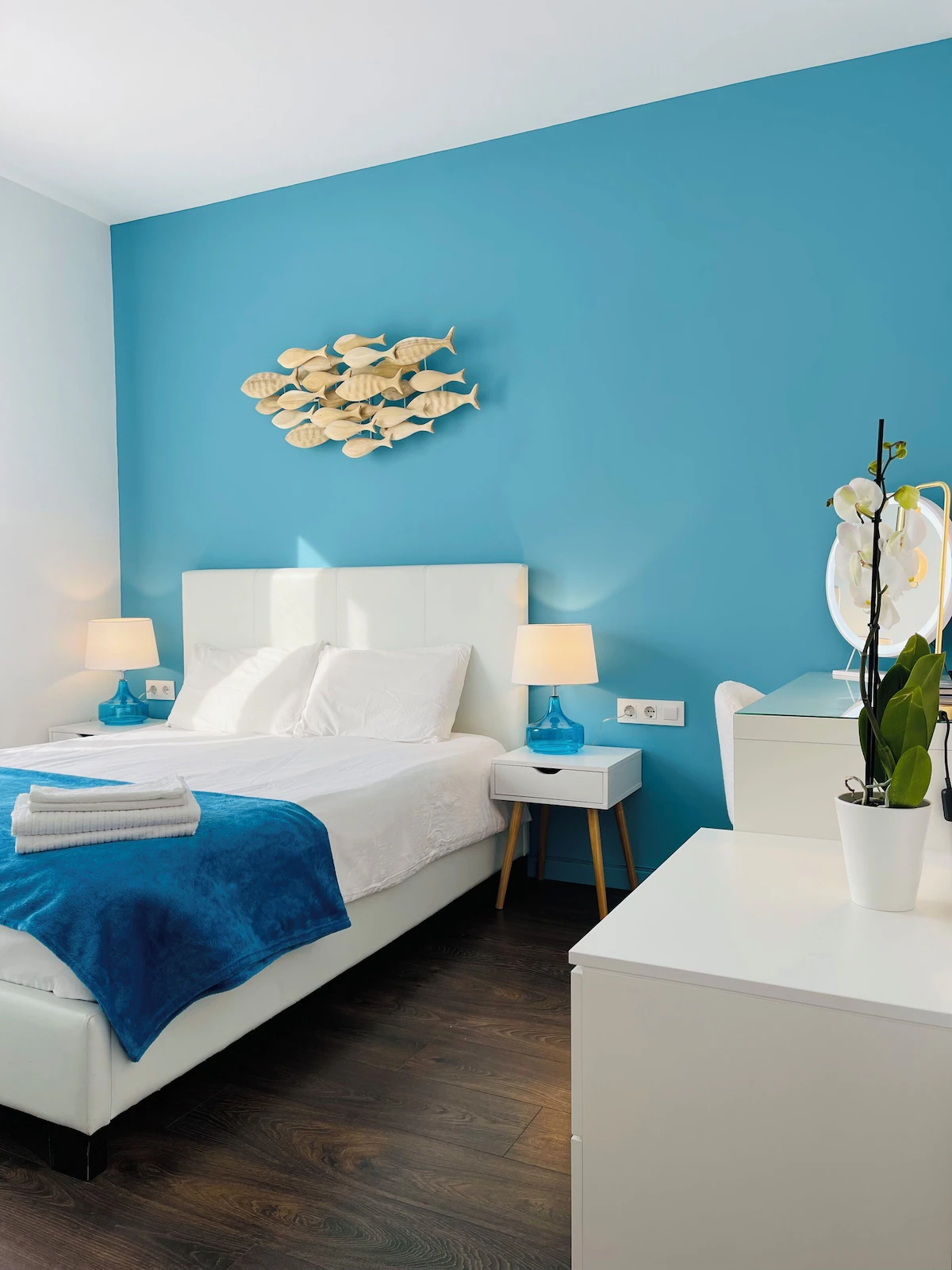
Our AirBnB in the Sagrada Familia area near a metro line.
For our stay, we went with an Airbnb in the area right next to the Sagrada Família, mostly because we found a great apartment at a very good price very close to the metro line. Since we are staying for a full week, we don't need to be smack in the middle of the city; we have plenty of time to explore. The basilica is one of Barcelona's biggest draws, so being able to walk there in minutes means we can hit it first thing in the morning before the lines build up or pop back for sunset views without any hassle. We got timed tickets for 9:00 am when it first opens, so we are hoping the lines won't be quite as crazy as they tend to get as the day goes on. We are also going into the nativity tower, so we will get to see some of the city from a different perspective.
The surrounding streets are residential with everyday grocery stores, bakeries, casual restaurants, and parks, so it will feel more lived-in and less tourist-trappy than spots like La Rambla. Metro stations are close by, making it easy to reach the Gothic Quarter, Eixample, beach, or other areas in 10–20 minutes. It strikes a good balance between prime access to a must-see landmark, convenience for getting around the city, and a quieter base to come back to after busy days of exploring.