Amsterdam, Netherlands
When I started looking at Amsterdam as an option for our trip, all I really knew about it was the red light district and marijuana ccoffee shops. As I researched, the more excited I became about this precious city! Amsterdam feels like it will be a refreshing change with canals everywhere, bikes as the primary type of transport, and a laid-back but energetic atmosphere. Darrel and I are interested in the medical museum and the kids are excited to see Anne Frank's house.
Amsterdam began as a small fishing village around the year 1000 at the mouth of the Amstel River in the Netherlands. Settlers reclaimed marshy land with dikes and ditches, and by around 1250 they built a dam across the river to control flooding and aid trade. The name Amsterdam means “dam on the Amstel.” In 1275 Count Floris V granted toll-free passage on nearby waterways, the first written record of the settlement, and full city rights followed around 1300–1306.
The city grew steadily through the Middle Ages, relying on herring fishing, beer brewing, and Baltic trade. A major fire in 1452 destroyed much of the wooden town, leading to brick rebuilding and stricter rules. By the late 15th century Amsterdam was the largest city in Holland.
The 16th century transformed Amsterdam. The Dutch fought for independence from Spain in the Eighty Years’ War starting in 1568. In 1578 the city joined the revolt and adopted religious tolerance, attracting Protestant refugees from Antwerp, Portuguese Jews, and others. When Antwerp fell to Spain in 1585 and the Schelde River was blockaded, trade shifted north, boosting Amsterdam’s merchants and population.
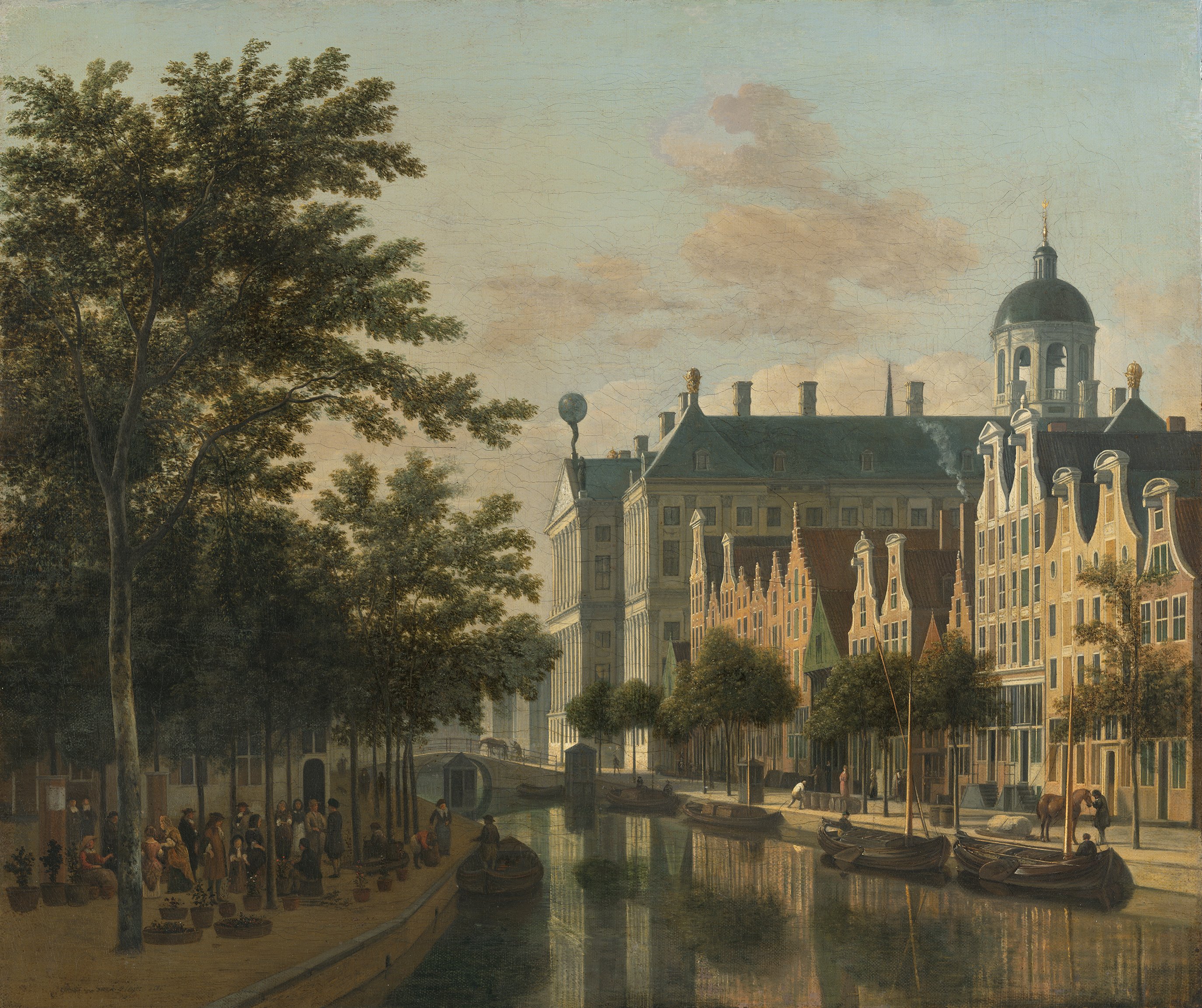
The 17th century, referred to as the Dutch Golden Age, saw Amsterdam become one of the world’s richest cities. The Dutch East India Company, founded in 1602, was the first multinational corporation and sent ships worldwide for spices, textiles, and more. Wealth funded the famous concentric canal rings built between 1613 and 1625 to house the booming population. Artists like Rembrandt and Vermeer thrived, and the Amsterdam Stock Exchange became a model for modern finance. The population reached over 200,000.
Decline set in during the 18th century as Britain and France gained trade dominance. Prussian troops occupied the city briefly in 1787, and French forces arrived in 1795. Napoleon made Amsterdam the capital of a puppet kingdom in 1806 and later part of the French Empire in 1810, hurting commerce. After Napoleon’s fall in 1813, Amsterdam recovered under the Kingdom of the Netherlands. The 19th century brought industrialization, railroads, and population growth.
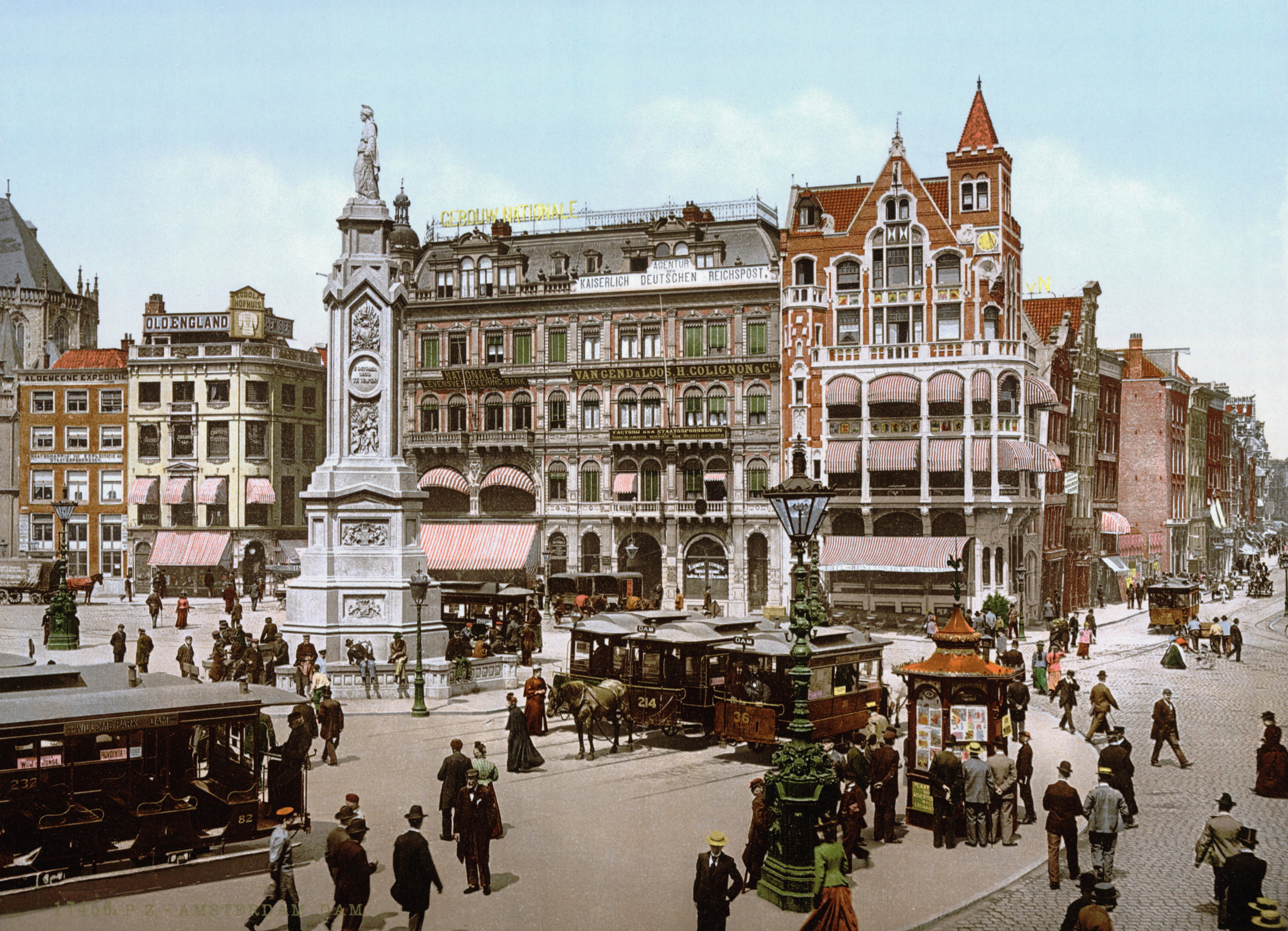
The 20th century was marked by hardship. Nazi Germany occupied the Netherlands in 1940, deporting and murdering tens of thousands of Jewish residents. Anne Frank hid in the city and wrote her famous diary before her capture. The Hunger Winter of 1944–1945 brought starvation. Liberation came in 1945. Postwar Amsterdam rebuilt and became a global center for culture, progressive ideas, and tourism. Its historic canals earned UNESCO World Heritage status in 2010. Today the city blends preserved 17th-century charm with modern neighborhoods, world-class museums, bike culture, and an atmosphere that draws millions of visitors each year.
SO, WHAT ABOUT THE RED LIGHT DISTRICT?
As an open-minded family visiting Amsterdam in June 2026, I wanted to learn about the De Wallen (red light) district with curiosity rather than judgment. My research is focused on understanding its history and what it is like today. De Wallen is one of the city’s oldest neighborhoods, right in the historic center near Central Station and the canals.
It dates back to the 14th century when Amsterdam was a busy port. Sailors arriving after long voyages created demand for food, drink, and companionship, so prostitution grew naturally around the harbor. Sex workers used red lanterns to signal availability at night, which likely inspired the “red light” name. Over time the Dutch developed a practical, tolerant approach: attempts to ban it failed due to trade wealth and liberal attitudes. Prostitution was fully legalized and regulated in 2000, making it a licensed profession with health checks, taxes, and worker protections.
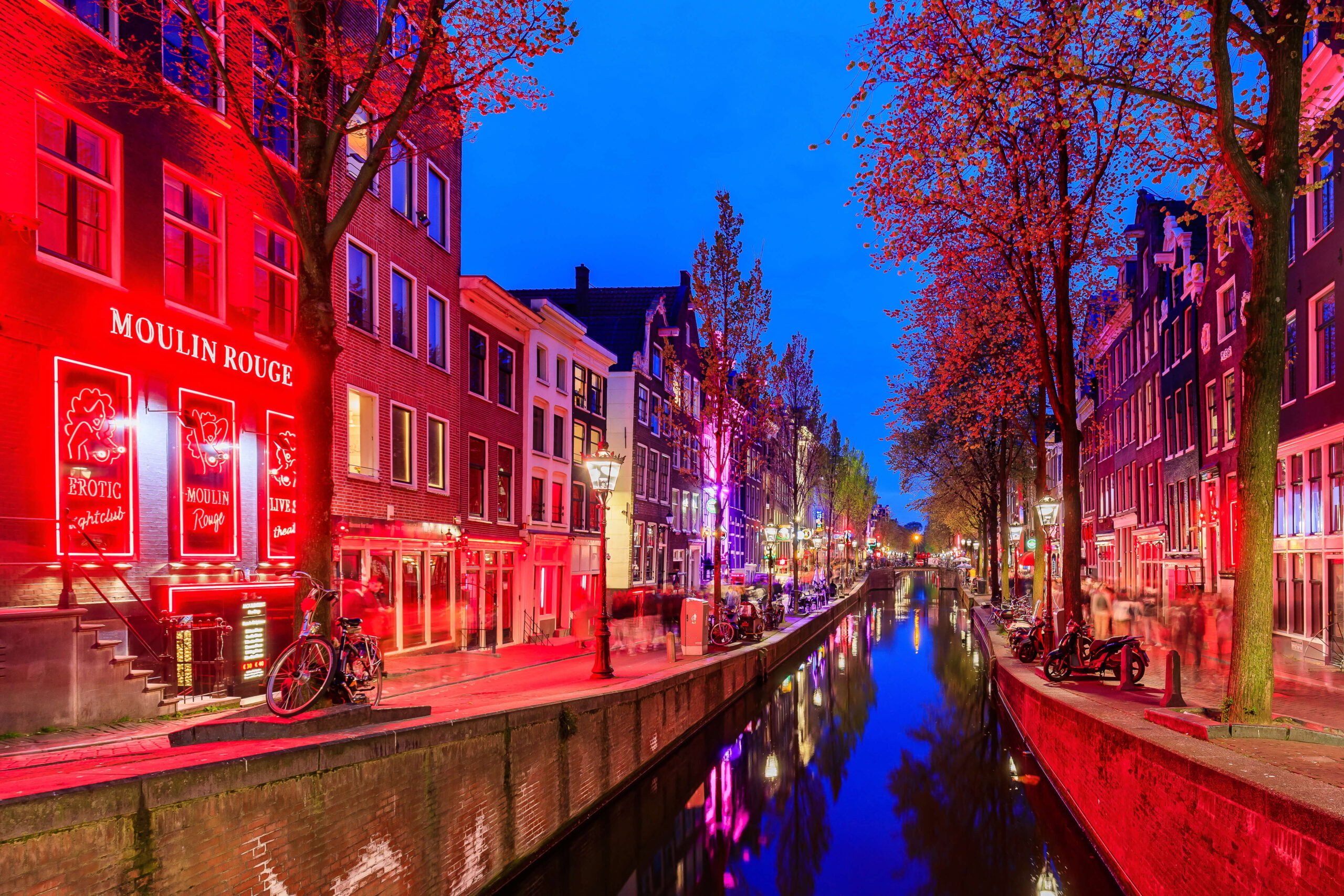
Today De Wallen features about 200 window brothels: small rented rooms where licensed sex workers (mostly women, some transgender, all over 21) stand or sit behind large glass windows framed in red neon. They rent independently, set their own prices, usually €50–€100 for 15–30 minutes, and can refuse clients. The area is heavily regulated with security, health services, and legal safeguards. It also includes sex shops, coffeeshops, bars, restaurants, and live shows. It is also a real residential neighborhood. The city has reduced windows over the years (from over 400 to around 200) to fight trafficking, ease overtourism, and protect the historic area. Proposals exist to move sex work to a less central “erotic center,” but as of 2026 the windows in De Wallen are still active.
I've considered a daytime walk to see the historic canals, old buildings, and the famous De Wallen windows. Many families pass through respectfully during daylight as part of exploring the historic center. If it doesn’t feel right, the nearby canals and museums are beautiful alternatives. We’re approaching De Wallen just like other cultural differences we will see on this trip: with open curiosity. We know prostitution is happening everywhere around the world, after all.
The regulated system in De Wallen has brought several positive effects for sex workers. The policies set in De Wallen keep the women here safer and healthier. Legalization and regulation have improved health outcomes through access to free or low-cost STI testing, vaccinations, regular medical check-ups, and high rates of condom use. Safety has also been enhanced with practical measures such as panic alarm buttons in every window, CCTV coverage, strong police presence, and the ability for workers to screen clients in a visible public setting before agreeing to services. These policies allow legal sex workers to report violence or exploitation more easily without fear of arrest, contributing to better overall working conditions compared to fully criminalized systems.
However, the system has clear limitations. Not all sex workers benefit, as many still operate in the unregulated sector (such as escorts or private apartments) to avoid high rents, taxes, and bureaucracy, where they face higher risks. Human trafficking and coercion have not been eliminated, particularly among migrant workers. Additionally, ongoing city proposals to relocate windows to an “erotic center” outside the city center are strongly opposed by many sex workers, who argue it would reduce their visibility and safety. Stigma and complex administrative requirements continue to create barriers for some.
The Anne Frank House
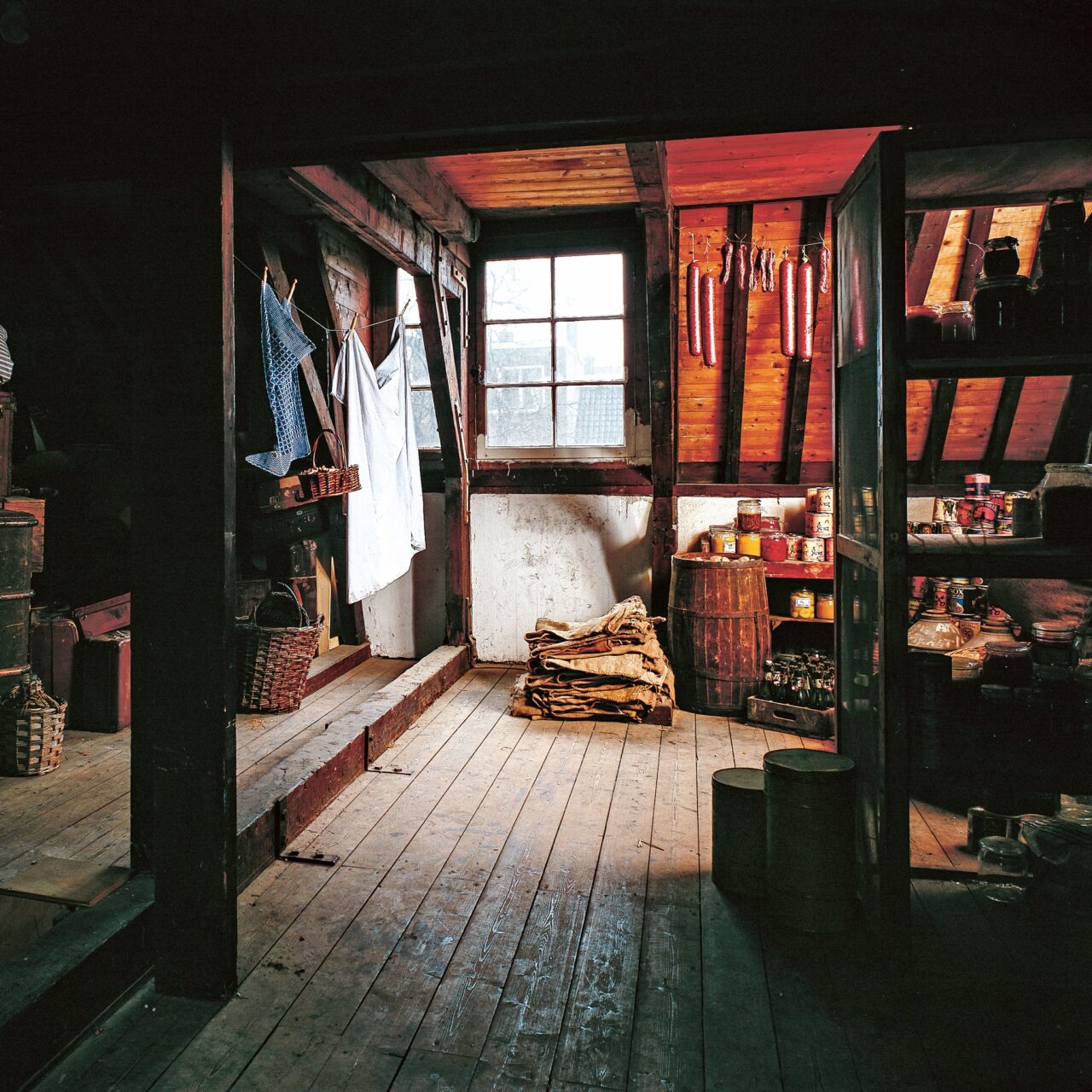
One of the mosthistorically significant places we’ll visit in Amsterdam is the Anne Frank House. This is the actual building where young Anne Frank and her family hid from the Nazis for over two years during World War II. They lived in a secret annex behind a movable bookcase along with four other people. Anne wrote her famous diary while in hiding, describing both the difficulties and her hopes for the future.
The family was eventually betrayed and arrested in 1944. Anne and her sister Margot died in a concentration camp, and only her father Otto survived. After the war, he published her diary, which has since become one of the most important books in the world. I imagine visiting the Anne Frank house will be a sobering experience for all of us. We’ve talked with Penny and Finn about what to expect and feel it’s an important stop for our family. It reminds us of the terrible cost of hatred and the power of courage and hope. Tickets must be booked well in advance as they sell out quickly.
THINGS TO DO
Rijksmuseum World-class Dutch art collection including Rembrandt's Night Watch. Book timed entry is required.
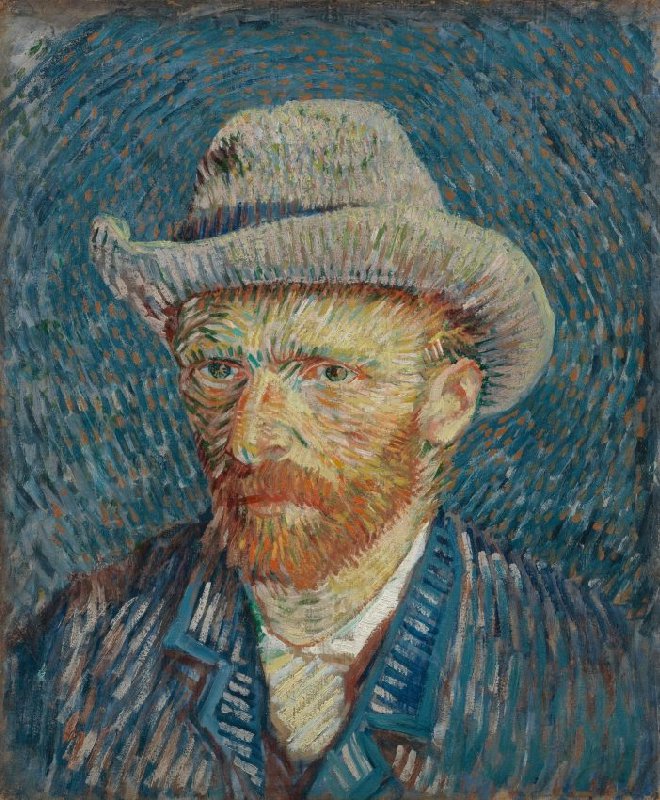
Van Gogh Museum Largest collection of Van Gogh works said to be immersive and inspiring. Timed tickets essential and also sell out in advance.
Anne Frank House Important historical site where Anne Frank hid and wrote her diary. Book well in advance as slots fill quickly.
Canal Cruise Classic way to see the UNESCO-listed canals and gabled houses.
Vondelpark Amsterdam's largest park with playgrounds, ponds, and picnic spots. Ideal for families to bike, which we will have throughout our stay, as bikes an helmets! are included with our AirBnB.
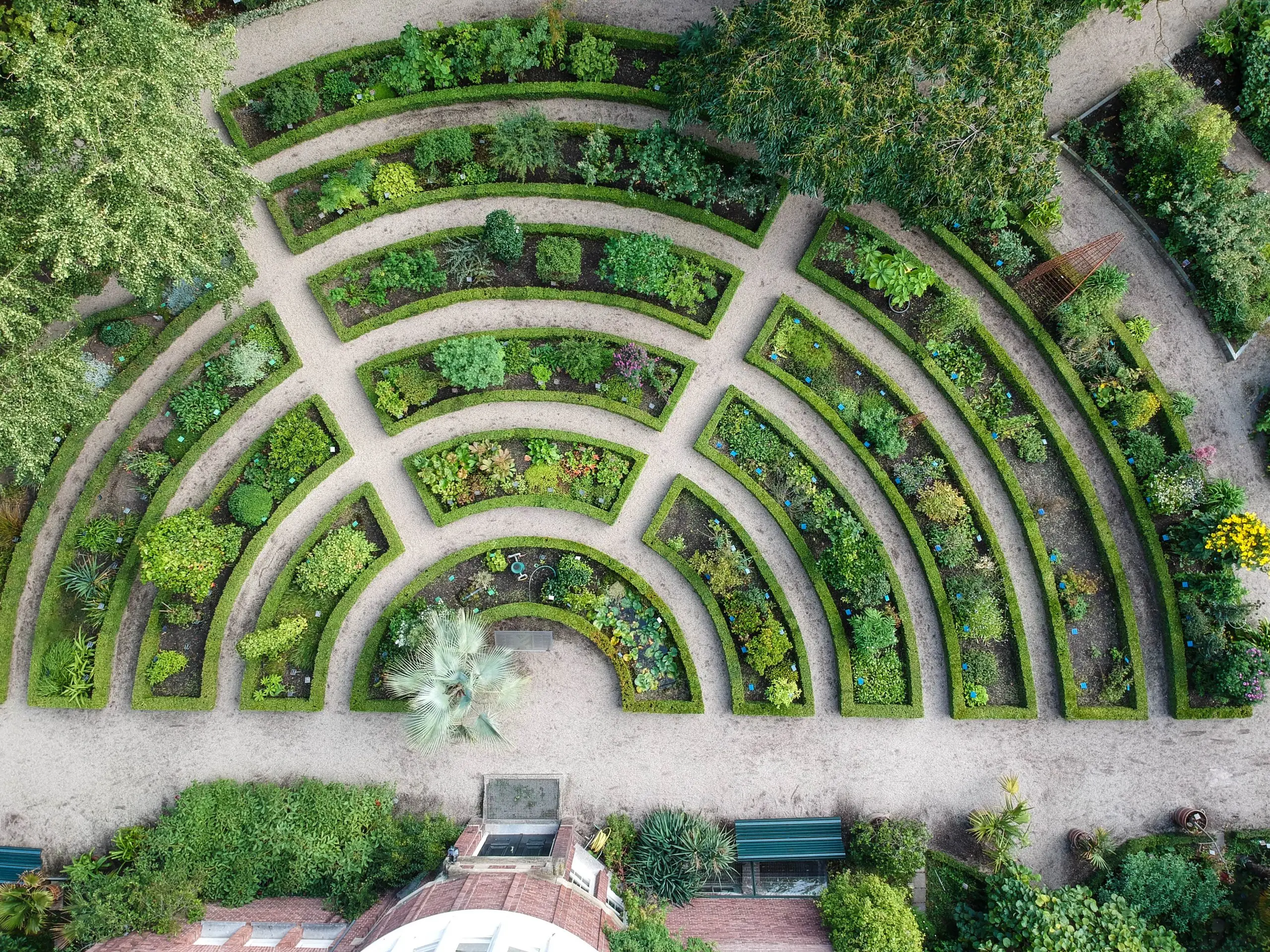
Hortus Botanicus Gardens Originally founded in 1638 to serve as a herb garden for the city's doctors and pharmacists, it's one of the oldest botanical gardens in the world.
Red Light District (De Wallen) Famous neon-lit area with canals, historic buildings, and unique history. We may walk through during the day for an eye-opening experience.
Our Lord in the Attic (Ons' Lieve Heer op Solder) Hidden 17th-century Catholic church in a canal house attic — secret and atmospheric. A cool, lesser-known historical gem.
De Poezenboot (The Cat Boat) Floating cat sanctuary on a canal where we can visit adorable rescued cats. It is supposed to be a lesser-known animal-lover favorite.
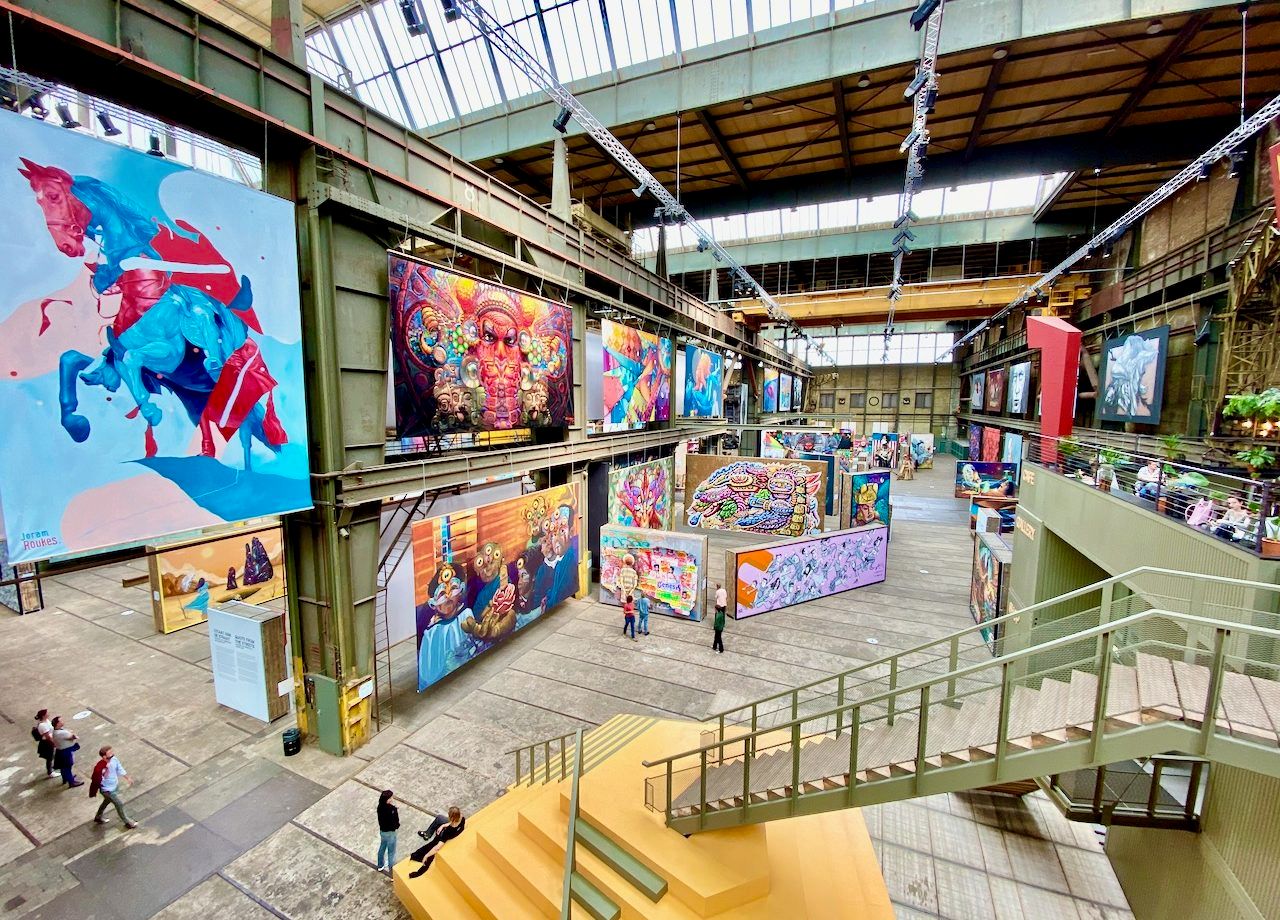
STRAAT Museum World's largest street art and graffiti museum in a massive warehouse.
Zaanse Schans is a beautiful historic windmill village located just north of Amsterdam. It features a cluster of traditional, working windmills, green wooden houses, museums, a cheese factory, wooden shoe workshop, and other crafts.